
5 Best Humidity Absorbing Plants to Naturally Prevent Mould in Damp Homes
Excess humidity in your home can lead to discomfort, mold growth, and a variety of other problems. Fortunately, nature has a solution – houseplants. Certain indoor plants are excellent at absorbing moisture from the air, helping to maintain a healthier and more comfortable living environment.
In this article, we introduce you to the top 5 house plants that are experts at reducing humidity and creating a more pleasant atmosphere indoors, naturally preventing mould in damp homes.
Towards the end of the article, we will also answer the common question of whether house plants can really help regulate humidity levels and explain how plants are able to absorb moisture.
Table of Contents
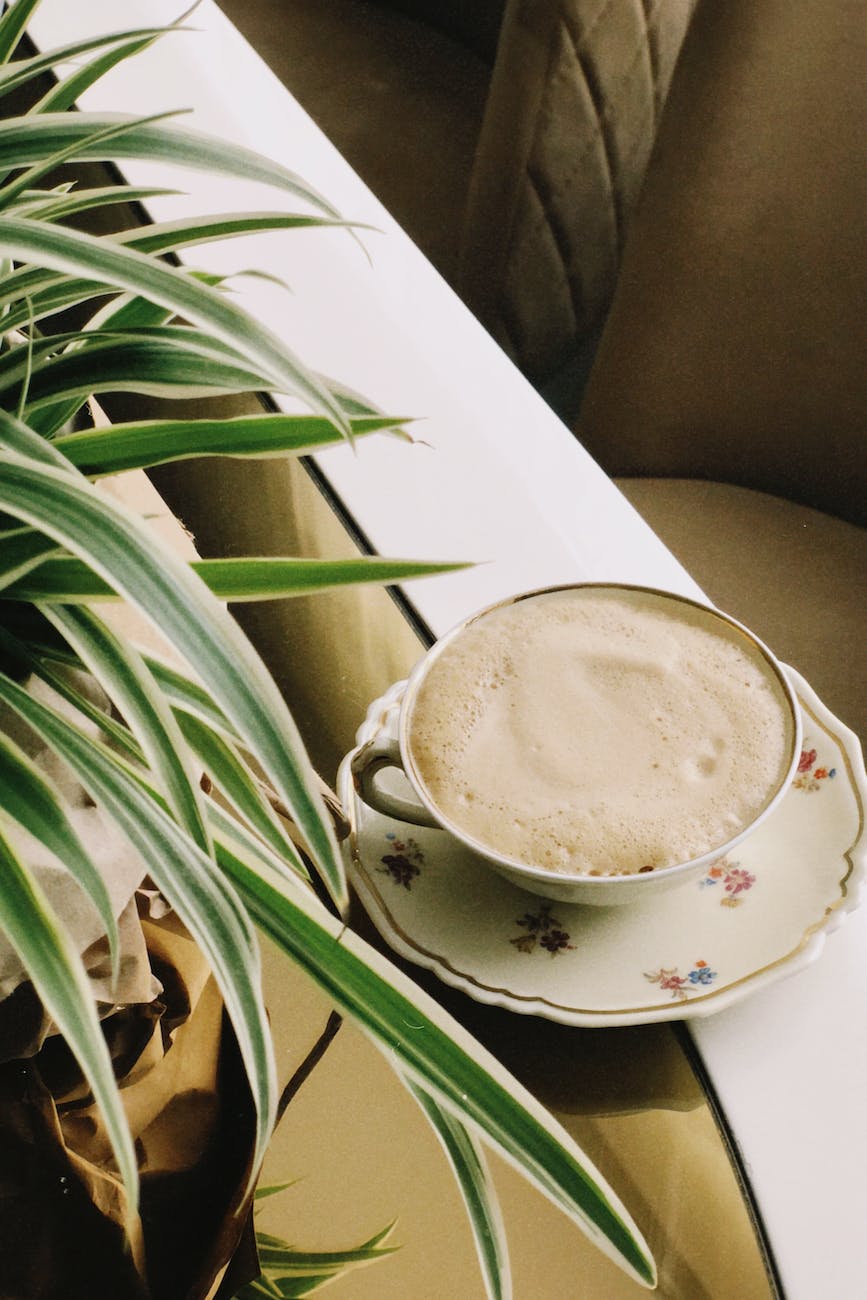
1. Spider Plant (Chlorophytum comosum)
The Spider Plant is a popular choice for indoor spaces due to its air-purifying abilities and resilience. It’s also effective at reducing humidity by absorbing excess moisture through its leaves.
Spider Plants are low-maintenance and can thrive in a variety of lighting conditions. They’re perfect for hanging baskets or as floor plants.

2. Boston Fern (Nephrolepis exaltata)
Boston Ferns are known for their lush and feathery fronds, making them a beautiful addition to your home. Beyond their aesthetic appeal, they are excellent at reducing humidity levels.
These plants absorb moisture through their leaves and release oxygen, creating a more refreshing atmosphere. However, they require consistent moisture, so misting or placing a tray of water nearby can help keep them happy.

3. Peace Lily (Spathiphyllum)
Peace Lilies are renowned for their air-purifying properties and their ability to thrive in low-light conditions.
These elegant plants also help regulate humidity by absorbing excess moisture from the air through their leaves. They’re a great choice for bedrooms and bathrooms where humidity levels tend to be higher.

4. Bamboo Palm (Chamaedorea seifrizii)
The Bamboo Palm is not only a stylish addition to your interior decor but also an excellent moisture-absorbing plant.
It’s effective at reducing humidity and can help maintain a more balanced indoor climate. Bamboo Palms prefer bright, indirect light and regular watering to thrive.

5. English Ivy (Hedera helix)
English Ivy is a versatile houseplant that can both purify the air and help control humidity levels. It absorbs excess moisture through its leaves, making it an excellent choice for damp or humid areas of your home.
English Ivy can be trained to grow in hanging baskets or as a climbing vine, adding a touch of natural beauty to your space.

How do plants absorb humidity?
Plants absorb humidity through a process called transpiration. Transpiration is the movement of water vapor from the plant’s tissues, primarily the leaves, to the atmosphere. It’s a natural part of a plant’s life cycle and plays a crucial role in the plant’s overall health and the surrounding environment.
Here’s how plants absorb humidity through transpiration:
Stomata: Tiny openings called stomata, primarily located on the undersides of leaves, allow for the exchange of gases, including water vapor. When these stomata open to take in carbon dioxide for photosynthesis, water vapor escapes into the surrounding air.
Water Uptake: Plants absorb water from the soil through their roots. This water is transported through the plant’s vascular system (xylem) to the leaves, where it evaporates from the surfaces of the leaf cells.
Evaporation: Water molecules move from the plant’s internal cells to air spaces within the leaves. Once in these air spaces, the water molecules evaporate into the surrounding air through the stomata.
Humidity Increase: As water vapor is released from the plant into the atmosphere, it contributes to the surrounding air’s humidity level. This increase in humidity can be significant, particularly in enclosed spaces with multiple plants or in greenhouses.
Plants actively regulate their transpiration rates based on factors like temperature, humidity, light intensity, and the plant’s hydration status. Higher temperatures and lower humidity levels typically result in increased transpiration rates as the plant tries to maintain its internal moisture levels.
Which indoor plant absorbs the most moisture?
One of the houseplants known for its exceptional ability to absorb moisture from the air is the Peace Lily (Spathiphyllum spp.).
Peace Lilies are not only beautiful and easy to care for but are also renowned for their air-purifying qualities and their ability to increase humidity levels in indoor spaces.
Here’s why Peace Lilies are excellent at absorbing moisture:
Large Leaves: Peace Lilies have broad, glossy leaves that can effectively capture moisture from the surrounding air through a process called transpiration. As water evaporates from the surface of the leaves, it helps increase humidity levels in the immediate environment.
High Transpiration Rate: Peace Lilies have a relatively high transpiration rate, meaning they release moisture into the air at a faster rate compared to other plants. This makes them particularly effective at humidifying indoor spaces, especially during dry seasons or in areas with low humidity levels.
Rhizome System: Peace Lilies have a rhizome system that allows them to efficiently absorb water from the soil. This enables them to maintain optimal moisture levels within their tissues, which in turn contributes to their ability to release moisture into the air through transpiration.
Adaptability: Peace Lilies are adaptable plants that can thrive in a variety of indoor environments, including low-light conditions. This means they can effectively absorb moisture and increase humidity levels even in rooms with limited sunlight or airflow.
In addition to Peace Lilies, other houseplants known for their ability to absorb moisture and increase humidity levels include Boston Ferns (Nephrolepis exaltata), Spider Plants (Chlorophytum comosum), and Snake Plants (Sansevieria trifasciata).
Incorporating these plants into your indoor space can help create a more comfortable and healthy environment by maintaining optimal humidity levels and promoting air quality.

What plants are good for damp bathrooms?
Damp bathrooms present a unique environment for houseplants, as they typically experience higher humidity levels and low light conditions. However, there are several houseplants that thrive in these moist environments and can add beauty and freshness to your bathroom décor.
Here are some plants that are well-suited for damp bathrooms: Spider Plant (Chlorophytum comosum), Boston Fern (Nephrolepis exaltata), Peace Lily (Spathiphyllum spp., Philodendron (Philodendron spp.), Pothos (Epipremnum aureum), Cast Iron Plant (Aspidistra elatior) and Moth Orchid (Phalaenopsis spp.).
When selecting plants for your damp bathroom, it’s essential to consider factors such as light levels, humidity requirements and space constraints.
Additionally, be sure to choose plants that are safe for pets and children if they have access to the bathroom. With the right selection of houseplants, you can create a lush and inviting oasis in your bathroom that enhances both the aesthetic appeal and air quality of the space.
These articles will provide a lot more information on the best plants for damp bathrooms : Best House Plants for Bathrooms and The Best House Plants for a Small Bathroom with No Windows.
Are plants really a way to regulate humidity in your house?
Yes, house plants can help regulate humidity levels indoors through a process called transpiration. Transpiration is the release of water vapor from plant leaves into the surrounding air.
As mentioned previously, plants take in water through their roots and transport it to the leaves. As part of their normal biological processes, water molecules move through tiny openings in the leaves called stomata and evaporate into the air. This moisture released by plants contributes to the humidity levels in their immediate surroundings.
While house plants do release moisture through transpiration, their impact on indoor humidity levels might vary based on factors such as the number of plants, their size, the type of plants, and the overall indoor environment.
In smaller spaces or rooms with several plants, the combined effect of transpiration from multiple plants can have a noticeable influence on humidity levels, especially in enclosed areas.
However, it’s essential to note that the effect of plants on indoor humidity might be limited in larger spaces or rooms with good ventilation. Additionally, other factors such as air conditioning, heating systems, outdoor climate, and the presence of moisture sources (like bathrooms or kitchens) can also influence indoor humidity levels significantly.
While house plants are able to regulate indoor humidity to some extent, they might not be the primary solution for controlling humidity in all indoor environments. In spaces where humidity needs to be adjusted, using dedicated humidifiers or dehumidifiers might be more effective in achieving and maintaining optimal humidity levels.
Common Questions About House Plants to Absorb Humidity
How do these plants reduce indoor humidity?
These plants reduce indoor humidity through a natural process called transpiration, where they absorb water from the air and release moisture through their leaves.
This process helps balance the humidity levels in the room, making the environment more comfortable and reducing the risk of mold and mildew growth.
Are these plants effective in all types of rooms?
Yes, these plants can be effective in various rooms of the house, but they are particularly useful in areas with higher humidity levels, such as bathrooms, kitchens, and laundry rooms.
They can also be placed in living rooms and bedrooms to maintain a balanced humidity level throughout the home.
Do these plants need special care in humid environments?
While these plants thrive in humid environments, they still require proper care. This includes:
- Watering: Be mindful not to overwater them since they are already absorbing moisture from the air.
- Light: Provide bright, indirect light for most of these plants. Some can tolerate lower light levels, but too much direct sunlight can damage their leaves.
- Humidity: While they absorb humidity, they still appreciate misting in very dry indoor conditions to maintain leaf health.
Can these plants replace a dehumidifier?
While these plants can help reduce humidity, they are not as powerful as a mechanical dehumidifier. They are best used as a natural, complementary method to manage indoor humidity. In areas with excessive moisture, a dehumidifier might still be necessary.
What are the signs that a plant is effectively absorbing humidity?
Signs that a plant is absorbing humidity include:
- Healthy, vibrant leaves: The plant appears lush and green, indicating it’s thriving in the environment.
- Lack of mold or mildew: The presence of these plants can help prevent mold and mildew in the room, which is a good indicator of their effectiveness.
- Normal growth: The plant continues to grow steadily without showing signs of stress, like yellowing or wilting leaves.
Can humidity-absorbing plants help with mold prevention?
Yes, by reducing indoor humidity, these plants can help prevent the growth of mold and mildew, particularly in damp areas like bathrooms and basements. English Ivy and Peace Lily are especially known for their mold-fighting properties.
Are there any downsides to using plants to absorb humidity?
The main downside is that plants may not be sufficient on their own to control humidity in very damp environments. Additionally, some of these plants may require more maintenance, such as regular pruning, misting, and cleaning of leaves to keep them healthy and effective.
Do these plants require a specific type of soil?
Most humidity-absorbing plants prefer well-draining soil to prevent waterlogging. A mix of potting soil with perlite or sand can help ensure proper drainage.
For plants like Air Plants, soil is not required, as they absorb moisture directly from the air.
Can these plants thrive in low-light conditions?
Some humidity-absorbing plants, like the Peace Lily and English Ivy, can tolerate low-light conditions, though they generally do better with moderate to bright, indirect light.
If placed in a low-light area, it’s important to monitor the plant’s health and ensure it’s still receiving enough light to thrive.
How often should I water these plants?
The frequency of watering depends on the plant and the humidity level in your home. Since these plants absorb moisture from the air, they may require less frequent watering than other house plants. However, it’s important to water them when the soil feels dry to the touch, but not completely dry.
Are there specific containers that help these plants absorb humidity better?
While the type of container doesn’t directly affect the plant’s ability to absorb humidity, using pots with good drainage is important to prevent waterlogging.
Additionally, containers made of porous materials like terracotta can help wick away excess moisture, benefiting the plant’s overall health.
Can these plants help with reducing condensation on windows?
Yes, by reducing indoor humidity, these plants can help minimize condensation on windows. However, they may not completely eliminate condensation, especially in colder climates where temperature differences between indoor and outdoor environments cause moisture to collect on glass surfaces.
Do these plants need to be fertilized?
Yes, these plants benefit from regular fertilization, particularly during their growing season (spring and summer). Use a balanced, water-soluble fertilizer every 4-6 weeks to support their growth and ensure they continue to absorb moisture effectively.
Are there any pet-friendly humidity-absorbing plants?
While many effective humidity-absorbing plants can be toxic to pets, there are some pet-friendly options. For instance, the Boston Fern and Areca Palm are non-toxic to both cats and dogs, making them safe choices for pet owners.
You can learn more about pet safe houseplants here : Best Low-Maintenance, Low Light & Pet-Safe Houseplants
How do I prevent overwatering these plants in a humid environment?
To prevent overwatering, check the soil moisture regularly and water only when the top inch of soil feels dry.
Ensure that the pot has good drainage and avoid leaving the plant in standing water. In high humidity environments, these plants may require less water than usual.
Can I use these plants in conjunction with other air-purifying plants?
Yes, combining humidity-absorbing plants with other air-purifying plants can enhance the air quality in your home.
For example, pairing a Peace Lily (which reduces humidity) with a Snake Plant (which filters toxins) creates a well-rounded indoor garden for a healthier living space.
Do these plants need regular pruning?
Regular pruning helps maintain the plant’s shape and encourages healthy growth. Remove any yellowing or dead leaves to allow the plant to focus its energy on new growth. Pruning also helps improve air circulation around the plant, which can further aid in humidity control.
What is the best way to clean these plants’ leaves?
To clean the leaves of humidity-absorbing plants, use a damp cloth to gently wipe away dust and debris. For plants with smaller leaves, you can mist them lightly with water and let them air dry. Keeping the leaves clean ensures that the plant can absorb moisture effectively and maintain its health.
Conclusion
Indoor plants can do more than just add beauty to your home; they can also help create a healthier and more comfortable living environment by absorbing excess moisture and reducing humidity levels.
The top 5 house plants—Spider Plant, Boston Fern, Peace Lily, Bamboo Palm, and English Ivy—offer effective solutions to combat humidity while bringing a touch of nature indoors.
Consider incorporating these moisture-absorbing plants into your home to improve air quality and create a more enjoyable living space. With their natural ability to regulate humidity, these houseplants can help you maintain a healthier and more comfortable indoor climate, promoting your well-being and enhancing your living experience.
You may also be interested in
The Best House Plants for a Small Bathroom with No Windows
How to Style Your Home with House Plants
The Ultimate Guide to Succulent Plant Pots
How to Remove and Prevent White Mould on Houseplants
Choosing Houseplants for Feng Shui
Plants That Absorb Air Moisture: Enhancing Indoor Air Quality in the UK
The Beauty and Care of Christmas Cactus
The Ultimate Bonsai Starter: The Easiest Bonsai Tree for Beginners
The Best Non-Toxic Houseplants for Cats and Dogs
The Best Herbs to Grow Indoors in the UK
Plants That Thrive in Kitchens
Best House Plants for Bathrooms
The Easiest Indoor Cacti to Keep at Home
Top Five Easiest Bonsai Trees for Beginners
House Plants That Thrive in Direct Sunlight
Houseplants That Thrive without Direct Sunlight
Best Varieties of Air Plants and How To Care for them.
The Best Trailing / Hanging House Plants for your home
Best House Plants to Purify the Air
Top 5 Ways to Keep Your House Plants Healthy


Leave a Reply