
What are the 5 Best House Plants to Purify the Air?
Houseplants not only add a touch of greenery to your home but also offer multiple other benefits, including air purification.
In today’s world, where indoor air quality can be a concern, choosing the right houseplants can help purify and freshen the air you breathe.
In this article, we’ll explore the 5 best house plants that are renowned for their air-purifying properties.
Table of contents
Do house plants really purify the air?
Firstly, let’s discuss whether plants are really capable of purifying the air. If you would like to skip to learn about the best house plants for purify the air, please click here : What are the best house plants to purify the air?
Back to the question, short answer – YES, house plants do have the ability to improve indoor air quality. Some varieties of house plants, all listed in this article, are known for their air-purifying qualities, although their effectiveness might vary based on several factors.
How do House Plants Improve Indoor Air Quality?
Air Filtration
House plants absorb certain pollutants from the air through their leaves and roots. They can help reduce levels of volatile organic compounds (VOCs) such as benzene, formaldehyde, and trichloroethylene that are emitted from various household items like paints, furniture and cleaning products.
Oxygen Production
Through the process of photosynthesis, plants absorb carbon dioxide and release oxygen, naturally increasing oxygen levels in the indoor environment.
Humidity Regulation
Some house plants can help regulate humidity levels by releasing moisture into the air through a process called transpiration, creating a more comfortable indoor atmosphere.
What Factors Affect House Plants Air-Purifying Ability?
Type and Number of Plants:
Not all house plants have the same air-purifying capabilities. Some are more effective at removing specific pollutants than others. Having a variety of house plants can enhance their collective air-purifying effects.
Plant Size and Growth:
Larger house plants with more foliage generally have a greater impact on air quality due to their increased surface area for gas exchange.
Indoor Conditions:
Proper lighting, adequate watering, and suitable temperatures are essential for plants to thrive and effectively purify the air. Unfavorable conditions may affect their ability to do so.
What are the 5 best house plants to purify the air?
1. Snake Plant (Sansevieria trifasciata)
The Snake Plant, also known as Mother-in-Law’s Tongue, is a superstar when it comes to air purification. This resilient and low-maintenance plant is excellent at removing toxins like formaldehyde and benzene from the air.
It’s known for its striking upright leaves, which come in various shades of green and yellow. Snake plants thrive in indirect light and can tolerate periods of drought.

2. Peace Lily (Spathiphyllum)
The Peace Lily is a beautiful and elegant houseplant that not only adds charm to your space but also cleanses the air. It excels at removing common indoor pollutants such as ammonia, benzene, and formaldehyde.
Peace Lilies produce attractive white blooms and glossy green leaves. They thrive in low to medium light conditions and prefer to be kept evenly moist.

3. Spider Plant (Chlorophytum comosum)
Spider Plants are known for their air-purifying prowess and are exceptionally easy to care for. They are effective at removing pollutants like xylene and formaldehyde from the air.
These plants feature arching green and white striped leaves that dangle gracefully. Spider Plants thrive in bright, indirect light and prefer evenly moist soil.

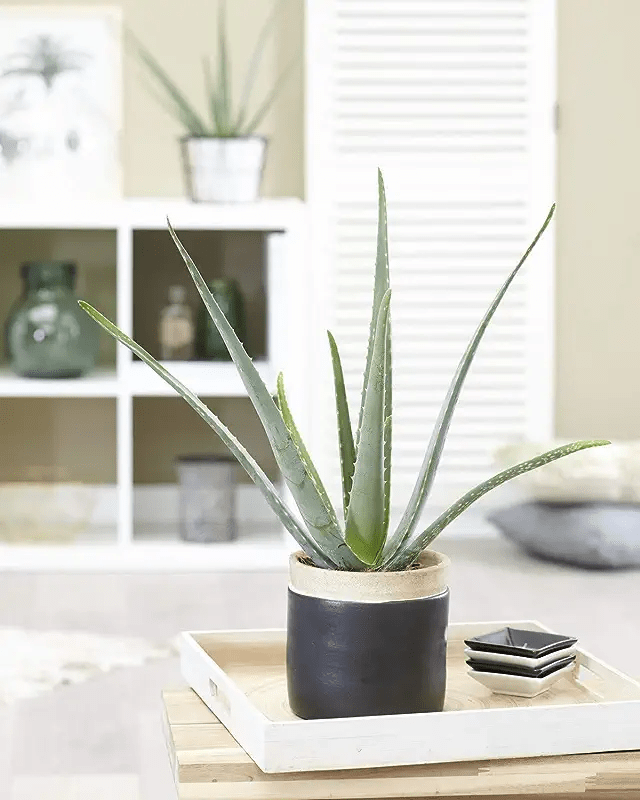
4. Aloe Vera (Aloe barbadensis miller)
Aloe Vera is not just a go-to remedy for soothing burns and skin irritations; it also helps improve indoor air quality. This succulent is efficient at removing formaldehyde and benzene.
Aloe Vera plants feature thick, fleshy leaves that store water. They thrive in bright, indirect light and prefer to dry out between waterings.

5. Boston Fern (Nephrolepis exaltata)
Boston Ferns are lush, green, and fantastic air purifiers. They excel at removing pollutants like formaldehyde and xylene from the air.
These ferns feature delicate fronds that arch gracefully, creating a stunning cascade of greenery. Boston Ferns prefer bright, indirect light and thrive in consistently moist soil.

Do houseplants really increase oxygen?
Yes, houseplants do contribute to increasing oxygen levels indoors through a process called photosynthesis. Photosynthesis is the biochemical process by which plants absorb carbon dioxide from the air and water from the soil, using light energy to convert them into glucose (a form of sugar) and oxygen.
The oxygen produced during photosynthesis is released into the atmosphere as a byproduct, contributing to the oxygen content of the surrounding air.
While houseplants do produce oxygen during the day as part of the photosynthetic process, it’s important to note that they also respire, similar to animals, which means they consume oxygen and release carbon dioxide at night.
However, the overall effect of houseplants on indoor air quality is still positive, as they help to purify the air by removing harmful pollutants and toxins.
In addition to increasing oxygen levels, houseplants offer numerous other benefits for indoor environments, including:
Air Purification
Houseplants can help remove indoor air pollutants such as volatile organic compounds (VOCs), formaldehyde, and benzene, which are commonly found in household products, furniture, and building materials.
Humidity Regulation
Houseplants release moisture vapor through a process called transpiration, which can help increase indoor humidity levels and improve air quality, especially in dry climates or during the winter months when indoor air tends to be dry.
Stress Reduction
Research has shown that indoor plants have a positive effect on mental health and well-being, reducing stress, anxiety, and fatigue, and promoting feelings of calmness and relaxation.
Aesthetic Enhancement
Houseplants add beauty, color, and texture to indoor spaces, making them more visually appealing and inviting. They can serve as decorative accents, focal points, or natural room dividers, enhancing the overall ambiance of a room.
Connection to Nature
Bringing elements of nature indoors through houseplants can help create a sense of connection to the natural world, even in urban environments.
Tending to plants can be a rewarding and therapeutic activity that promotes mindfulness and a sense of stewardship for the environment.
Which house plant purifies the air the most?
Several houseplants are known for their air-purifying abilities, as they can effectively remove indoor air pollutants such as formaldehyde, benzene, xylene, trichloroethylene, and ammonia.
While no single plant can completely purify the air on its own, having a variety of air-purifying plants can help improve indoor air quality.
How can I increase oxygen in my room?
Increasing oxygen levels in your room can be achieved through several simple strategies that promote better air circulation and oxygenation.
Here are some effective ways to increase oxygen in your room:
- Introduce Houseplants: Houseplants are natural air purifiers that can help increase oxygen levels in your room through photosynthesis. Choose houseplants known for their air-purifying qualities, such as snake plants, spider plants, peace lilies, pothos, and Boston ferns. Place several plants throughout your room to maximize their oxygen-producing benefits.
- Open Windows and Doors: Improving ventilation is one of the most effective ways to increase oxygen levels in your room. Open windows and doors to allow fresh air to circulate freely, especially during the day when outdoor air quality tends to be better. Cross-ventilation helps flush out stale air and replenish oxygen levels indoors.
- Use Air Purifiers: Consider using an air purifier equipped with a HEPA filter to remove indoor air pollutants and improve air quality. Air purifiers can help remove allergens, dust, pet dander, and other particles from the air, allowing for cleaner, fresher air circulation and increased oxygen levels.
- Keep Indoor Air Clean: Minimize indoor air pollutants by avoiding smoking indoors, using natural cleaning products with low VOCs (volatile organic compounds), and reducing sources of indoor pollution such as candles, incense, and aerosol sprays. Regularly dust and vacuum to remove dust and debris from surfaces and carpets.
- Increase Natural Light: Natural light stimulates photosynthesis in plants and encourages oxygen production. Keep curtains and blinds open during the day to maximize sunlight exposure in your room. If natural light is limited, consider using full-spectrum light bulbs or grow lights to provide supplemental light for houseplants.
- Practice Breathing Exercises: Engage in deep breathing exercises or yoga to increase oxygen intake and promote better circulation. Deep breathing techniques help oxygenate the blood and improve overall respiratory function, leading to increased oxygen levels in the body.
- Optimize Room Layout: Arrange furniture and decor to maximize airflow and circulation in your room. Avoid blocking windows, vents, or air ducts with large furniture pieces or clutter, as this can impede airflow and inhibit oxygen exchange. Keep pathways clear to allow for unobstructed air movement throughout the room.
Conclusion
Houseplants not only enhance the aesthetics of your home but also contribute to a healthier indoor environment by purifying the air.
The best air-purifying houseplants — Snake Plant, Peace Lily, Spider Plant, Aloe Vera, and Boston Fern — offer a variety of options to suit your space and care preferences.
By adding these green allies to your home, you can enjoy cleaner and fresher indoor air, while also benefiting from the calming presence of nature.
You may also be interested in
How to Tackle Mould in Your Home
How to Remove and Prevent White Mould on Houseplants
Plants That Absorb Air Moisture: Enhancing Indoor Air Quality in the UK
House Plants That Thrive in Direct Sunlight
Top 5 Most Popular House Plants
Top 5 Ways to Keep Your House Plants Healthy
Best House Plants to Purify the Air
The Best Trailing / Hanging House Plants for your home
The Best Herbs to Grow Indoors
Best House Plants for Bathrooms
The Easiest Indoor Cacti to Keep at Home
5 Easiest Bonsai Trees for Beginners


Leave a Reply