
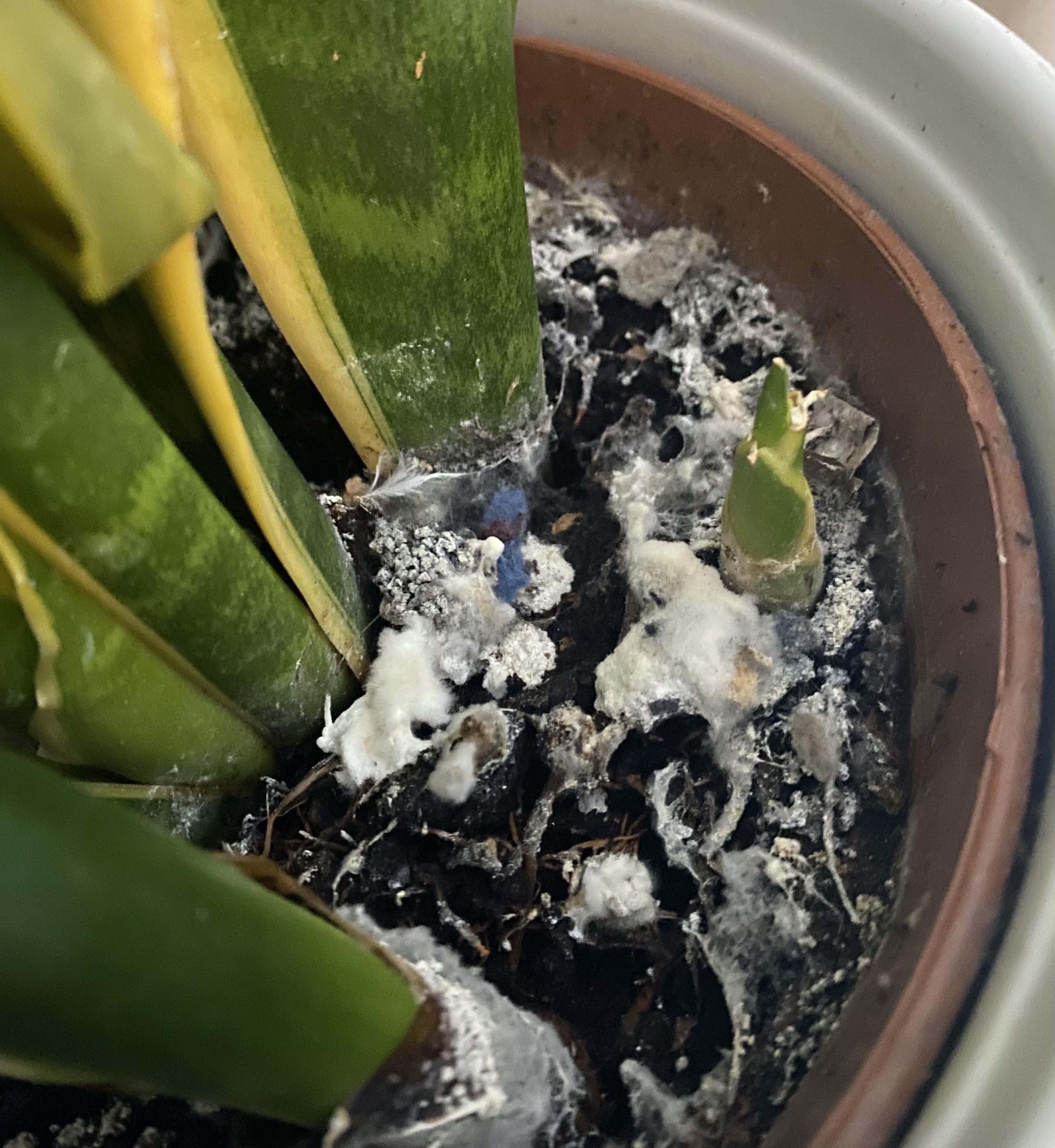
How to Remove and Prevent White Fuzzy Mould on Houseplants – Our Guide
White mould (or white mold for our American friends) is caused by various fungal pathogens like Powdery Mildew, saprophytic or Sclerotinia, can pose a threat to the health and aesthetics of houseplants.
Let’s make something clear – the appearance of white fuzzy mould on your plants is completely natural. However the mould is relying on decaying matter which is a strong indication that something is wrong.
Prompt action, combined with preventive measures, is crucial to effectively manage and prevent white mould on your indoor plants.
Table of Contents
How to Identify White Mould on Houseplants
Perform a Visual Inspection of your Houseplant
White mould appears as a powdery or fuzzy substance on leaves, stems, or soil around the plant. It is easy to see on the soil and is hard to miss.
What are the Symptoms to the house plant?
You may also see some yellowing, wilting, or distorted growth of house plant leaves indicating the presence of white mould.
What are Common Causes of White Mould?
| Cause | Description |
|---|---|
| Humidity and Poor Air Circulation | White mould thrives in environments with high humidity and stagnant air. |
| Overwatering | Excessive moisture can create conditions conducive to mould growth. |
| Lack of Sunlight | Insufficient light weakens plants, making them more susceptible to disease. |
| Contaminated Soil or Plants | Introducing infected plants or using contaminated soil can spread mould. |
| Poor Plant Hygiene | Dead leaves and debris provide a breeding ground for mould. |
Is it White Mould, Powdery Mildew, or Mineral Deposits? (Diagnosis)
When your houseplant starts showing white patches, it’s easy to panic—and wonder if you’re dealing with a serious fungus or just harmless residue. The key is understanding whether you’re seeing Powdery Mildew (on leaves, needs fungicide) or Saprophytic Fungus (on soil, needs moisture control). Below, we’ll explain both briefly, then focus on the more common indoor problem: fungus on the soil surface due to moisture issues.
Powdery Mildew (on leaves, needs fungicide)
- This appears as a fine white or grey-white powdery film on the top surfaces of leaves (sometimes the undersides too).
- It’s caused by airborne fungal spores landing on leaf tissue, then germinating when air is still and humidity is moderate.
- Typical trigger: poor air circulation + high humidity + warm indoor temperatures.
- The treatment: prune heavily affected leaves, improve ventilation, reduce humidity, and apply a suitable fungicide labelled for powdery mildew (indoor plants).
- While visually dramatic, this is less often the root cause of indoor mould problems than the soil variant.

Saprophytic Fungus (on soil, needs moisture control)

- This form shows up as a cotton wool-like white growth or fine white webbing on the soil surface or around the base of the plant.
- Unlike powdery mildew, saprophytic fungi feed on dead organic matter in the soil (like leaf litter, roots, decaying potting mix), not the live plant tissue.
- Root cause: excess moisture in the soil, poor drainage, minimal air-flow at the base of the plant, and a cool growing environment.
- Indoor conditions that favour it include: over-watering, dense foliage reducing airflow around the pot, using trays that stay full of water, or placing plants in unventilated corners with no breeze.
Why this matters for indoor houseplant care
In the indoor environment, you’re far more likely to encounter saprophytic fungus on soil than powdery mildew. Because indoor plants often live in stable-temperature, low-airflow locations, and with watering routines that may err slightly on the wet side, the soil stays damp and fungal growth is encouraged.
Addressing this issue effectively means focusing on environmental controls:
- Ensure potting mix drains well and avoid letting water pool in saucers.
- Increase ventilation around plants and avoid clustering many plants tightly in low-airflow zones.
- Check for decaying leaf or root debris and remove it promptly.
- Adjust your watering schedule—let the top 1–2 cm of soil dry before re-watering, especially in cooler months.
By recognising whether the white deposit is powdery mildew on the leaves (fungicide + airflow) or saprophytic fungus on the soil (moisture control + hygiene), you can take the right action swiftly and protect your plants from recurring mould issues.
How do you remove White Mould?
1. Isolation and Quarantine
It is important to immediately isolate affected house plants from healthy ones to prevent the spread of mould spores. Place infected plants in an area with good ventilation, away from other houseplants.
2. Pruning and Sanitation
Prune affected leaves, stems, or branches at least several inches below the infected area. Safely discard pruned parts away from other houseplants to prevent further contamination.
3. The Non-Toxic Removal Guide – Non-Toxic DIY Removal: Getting Rid of Fuzzy Soil Mould for Good
The Cinnamon Dusting Method
Believe it or not, sprinkling a small amount of standard household cinnamon onto the surface of the soil can reduce white mould. Cinnamon contains Cinnamaldehyde which is a natural anti-fungal.

Using Neem Oil
Applying diluted neem oil (follow instructions) acts as a natural fungicide, combating white mould.
The solution is typically created by mixing 2 tablespoons of neem oil with 1 gallon of water. Spray the mixture on the affected plant parts every week until the mould is eradicated.

The Baking Soda Dusting Solution
A solution of baking soda created by mixing 1 tablespoon of baking soda, 1 teaspoon of liquid soap (non-detergent) and 1 gallon of water.
Spray the solution on the affected areas every few days until the mould is gone.

4. Chemical Treatments
Fungicidal Solutions
Commercial fungicides formulated for indoor plants can be used as directed to combat white mold.

Copper-Based Fungicides
Sprays containing copper can be effective against fungal diseases and help prevent further mold growth.

Preventing White Mold on Houseplants
1. Healthy Plant Environment Create Optimal House Plant Conditions
Ensure proper light, humidity, and ventilation to create an environment less favorable for mould growth. It is important to maintain adequate spacing between your house plants to improve air circulation and reduce humidity levels.
White mould on your house plants is a indication that you may have moisture / humidity / ventilation issues in your home and you may be also be suffering from mould on your walls and furnishings.
You may find this article useful : How to Tackle Mould in Your Home
2. Watering Practices – Avoid Overwatering and always water from the base
Water houseplants only when the soil feels dry to prevent excess moisture accumulation. Direct water at the base of the plant to avoid wetting foliage excessively.
3. Soil and Pot Hygiene – Use Clean Containers and remove debris
Use clean pots with proper drainage to prevent water logging and soil contamination. Regularly remove dead leaves or debris from the soil surface to discourage mold growth.
4. Improve Air Circulation
Place plants in areas with good air circulation. Use fans or open windows to promote airflow and avoid overcrowding plants, as this can restrict airflow and create humid conditions.
5. Provide Adequate Light
Ensure your plants receive the appropriate amount of light for their species. Use grow lights if natural light is insufficient and rotate plants regularly to ensure all sides receive light.
6. Maintain Proper Humidity Levels
It is important to keep humidity levels between 40-60%, which is ideal for most houseplants. To do this, you can use a hygrometer to monitor humidity levels.
If necessary, use a dehumidifier in areas with high humidity.
7. Keep Plants Clean
It is important to regularly dust the leaves of your plants with a damp cloth.
You should also remove dead leaves and debris promptly, and if necessary, sterilize pots and tools to prevent the spread of fungi.
8. Use Quality Soil and Pots
Always yse high-quality, well-draining soil for your plants.We would recommend against reusing old soil that may contain fungal spores.
Also, always choose pots with adequate drainage holes.
9. Quarantine New Plants
Good practice is to isolate new plants for a few weeks before introducing them to your other houseplants to prevent the spread of fungus. And, of course, always inspect new plants thoroughly for any signs of disease or pests.
10. Regular Maintenance – Inspect Houseplants and prune when required
Regularly check houseplants for signs of mould or other issues to take timely action. Prune dead or diseased parts of plants regularly to maintain plant health.
Long-Term Prevention: Controlling the Root Cause (Indoor Damp)
While treating white mould on houseplants solves the visible problem, long-term success depends on tackling the underlying cause — excess moisture and poor airflow in your indoor environment. These conditions not only encourage saprophytic fungus on soil but also contribute to damp, condensation, and poor air quality throughout your home.
By addressing overwatering, humidity, and ventilation, you can create a balanced environment where both your plants and your living space thrive.
Fixing Overwatering and Improving Drainage
Overwatering is the most common cause of persistent mould on plant soil. When soil remains soggy, it deprives roots of oxygen and creates an ideal breeding ground for mould spores.
Here’s how to prevent it:
- Check soil moisture before watering — press your finger about an inch deep; only water if it feels dry.
- Use pots with drainage holes to allow excess water to escape.
- Avoid decorative pots without drainage, or place a layer of gravel at the bottom to help aeration.
- Choose well-draining soil mixes that allow air to reach the roots, especially for succulents and orchids.
If you often struggle with knowing when to water, consider pairing your houseplants with a moisture meter or switching to self-watering planters that regulate hydration naturally.
Improving Airflow and Reducing Humidity
This is the single biggest factor in long-term prevention — and one of the easiest to overlook. White mould on soil often indicates that your indoor air is too still or too damp.
To improve air movement and control humidity:
- Open windows regularly to refresh the air, but keep plants away from direct cold drafts.
- Use a dehumidifier in particularly damp rooms or corners to reduce overall moisture — this also helps combat condensation on windows and walls.
- If you’re drying laundry indoors, make sure to ventilate properly or explore our guide on how to dry laundry in a small apartment without causing damp
- For persistent window moisture, check out our Kärcher Window Vac reviews
You can also position plants strategically near sources of gentle airflow — such as a vent, open window, or small fan — to discourage stagnant air.
To go one step further, explore our feature on the best houseplants to absorb humidity. These species naturally draw excess moisture from the air, helping to stabilise humidity levels and prevent mould growth.
Choosing the Right Pots and Design Materials
Even the type of pot you use can influence mould prevention.
Unglazed terracotta pots are naturally porous, allowing moisture to evaporate through their walls and preventing water from lingering in the soil. This makes them a healthier and more breathable option than plastic pots.
They also bring a warm, natural aesthetic to your interiors — pairing beautifully with neutral, minimalist, or rustic designs.
If your space leans modern, you can balance moisture control and style by combining terracotta planters with sleek ceramic trays to catch runoff while maintaining a clean, decorative look.
Bringing It All Together
By combining proper watering habits, better airflow, and humidity control, you’re not just preventing white mould — you’re improving your entire indoor environment.
Healthy air circulation, the right moisture balance, and thoughtful design choices protect both your plants and your home from damp-related issues. Over time, these small adjustments create a fresher, drier, and more harmonious living space — one where mould struggles to grow, and your plants truly thrive.
Prevention and Care Tips for Specific Houseplants
Different houseplants have varying needs and susceptibilities to white mould. Here are some detailed tips for preventing and treating white mould on specific popular houseplants:
1. African Violets
| Category | Guidelines |
|---|---|
| Prevention | – Place in bright, indirect light.- Water from the bottom to avoid wetting the leaves.- Maintain high humidity but ensure good air circulation. |
| Treatment | – Use a baking soda or neem oil solution.- Prune infected leaves carefully. |
2. Orchids
| Category | Guidelines |
|---|---|
| Prevention | – Provide bright, indirect light.- Water in the morning to allow leaves to dry before night.- Use a fan to improve air circulation. |
| Treatment | – Spray with a diluted milk solution.- Remove and dispose of infected parts. |
3. Spider Plants
| Category | Guidelines |
|---|---|
| Prevention | – Place in bright, indirect light.- Water when the top inch of soil is dry.- Ensure good airflow around the plant. |
| Treatment | – Apply a vinegar solution.- Trim infected leaves. |
4. Succulents
| Category | Guidelines |
|---|---|
| Prevention | – Place in bright, direct light.- Water sparingly, allowing soil to dry completely between waterings.- Use a well-draining soil mix. |
| Treatment | – Use neem oil or a chemical fungicide if necessary.- Remove affected parts with sterilized tools. |
5. Pothos
| Category | Guidelines |
|---|---|
| Prevention | – Place in bright, indirect light or low light.- Water when the top inch of soil is dry.- Ensure adequate airflow. |
| Treatment | – Spray with a baking soda solution.- Prune and dispose of infected leaves. |
6. Peace Lilies
| Category | Guidelines |
|---|---|
| Prevention | – Place in low to moderate light.- Keep soil consistently moist but not waterlogged.- Ensure good air circulation. |
| Treatment | – Use a milk spray solution.- Remove infected leaves and stems. |
Removing and Preventing White Mould on Houseplants, and Managing Indoor Humidity – Frequently Asked Questions (FAQs)
Is white mould harmful to humans?
White mould on houseplants is generally not harmful to humans.
However, it can cause allergic reactions in some individuals, especially those with mold sensitivities. Always handle mouldy plants with care and wash your hands afterward.
Can white mould spread to other plants?
Yes, white mould can spread to other plants through spores that become airborne or through contaminated soil and water. Isolate affected plants to prevent the spread.
How long does it take to get rid of white mould?
The time it takes to eliminate white mould depends on the severity of the infestation and the treatment method used. It can take anywhere from a few days to a few weeks to fully eradicate the mould.
Can I use bleach to treat white mould on houseplants?
Bleach is not recommended for treating white mould on houseplants as it can damage the plants. Use natural remedies or fungicides specifically designed for plants.
How can I prevent white mould from coming back?
Preventive measures such as proper watering, good air circulation, adequate light, and regular inspections can help prevent white mould from recurring. Implementing these practices consistently will create an environment less conducive to mould growth. Diluted hydrogen peroxide to kill any remaining fungal spores in the soil…
Are there any natural remedies for white mould on houseplants?
Yes, several natural remedies can help treat white mould on houseplants:
- Baking Soda Spray: Mix 1 tablespoon of baking soda with 1 teaspoon of liquid soap in a gallon of water and spray on the affected areas.
- Milk Solution: Dilute milk with water at a 1:10 ratio and spray the mixture on the plant. Milk has natural antifungal properties.
- Vinegar Solution: Mix 1 tablespoon of apple cider vinegar with a gallon of water and spray it on the affected plant parts.
- Neem Oil: Neem oil is a natural fungicide that can be applied directly to the mould.
Should I remove affected leaves with white mould?
Yes, removing affected leaves is one of the first steps in controlling white mould. Pruning the infected leaves prevents the fungus from spreading to other parts of the plant.
Ensure you use sterilized tools and dispose of the pruned leaves properly to avoid spreading the spores.
Can white mould affect indoor air quality?
White mould on houseplants generally does not significantly affect indoor air quality, especially if it’s limited to a few plants and is promptly treated.
However, in severe cases or if mould spreads to other surfaces in the home, it can contribute to increased mould spores in the air, which may be problematic for individuals with respiratory issues or mould allergies.
Can houseplants recover from white mould?
Yes, houseplants can recover from white mould if the infection is caught early and treated effectively.
Removing the affected parts, applying appropriate treatments, and improving the plant’s environment can help it bounce back. However, severe infestations can weaken the plant and may require more drastic measures.
Can white mould be a sign of other plant health issues?
White mould can sometimes indicate underlying issues, such as poor air circulation, overwatering, or high humidity, which create favorable conditions for fungal growth.
It may also signal that the plant is stressed or weakened, making it more susceptible to infections. Addressing these environmental factors is crucial in preventing future mould problems.
How often should I check my plants for white mould?
It’s a good practice to check your houseplants for signs of white mould or other issues at least once a week.
Regular inspections help catch problems early, making them easier to treat. Pay close attention to the lower leaves, soil surface, and areas with poor air circulation.
Are there houseplants more prone to white mould?
Certain plants are more susceptible to white mould, especially those that prefer high humidity or are prone to overcrowding.
Examples include succulents, African violets, and begonias. Plants with dense foliage or those grown in humid environments are also at higher risk.
Can white mould kill a houseplant?
If left untreated, white mould can eventually kill a houseplant by spreading across its foliage and inhibiting essential processes like photosynthesis.
Over time, the plant can become weakened, leading to yellowing, wilting, and death. Early intervention is key to preventing such outcomes.
Is it safe to use commercial fungicides on houseplants?
Yes, many commercial fungicides are safe to use on houseplants if applied according to the manufacturer’s instructions.
Choose products labeled for indoor plant use, and avoid overapplication, which can harm the plant. Organic or natural fungicides are also available for those seeking a more eco-friendly option.
Can white mould return after treatment?
White mould can return after treatment if the environmental conditions that favor its growth are not addressed. It’s important to improve air circulation, reduce humidity, and avoid overwatering to prevent recurrence.
Regular monitoring and maintenance are essential to keep the mould at bay.
How do I dispose of houseplant parts infected with white mould?
Infected plant parts should be carefully removed and sealed in a plastic bag before disposal.
Do not compost these materials, as the fungal spores can survive and potentially spread to other plants. Proper disposal helps prevent the spread of mould in your garden or home.
Can white mould spread to other surfaces in my home?
While white mould on houseplants primarily affects the plants themselves, if left unchecked, it can spread to nearby surfaces, especially in humid environments.
Mould spores can settle on walls, furniture, or other organic materials, potentially leading to broader mould issues.
Should I repot a plant with white mould?
Repotting a plant with white mould may be necessary if the mould is extensive or if the soil is heavily infested. Use fresh, sterile potting mix and a clean pot.
Repotting helps eliminate fungal spores from the plant’s environment and gives the plant a healthier growing medium.
Can white mould on plant soil spread to other houseplants?
Yes, white mould spores can spread through the air or by watering. If one plant is infected, keep it away from others until the problem clears. Always disinfect your watering tools and remove affected soil. Improving air circulation and reducing humidity levels will make it harder for mould to spread — you can learn more about this in our guide on the best houseplants for reducing humidity in small spaces.
Do dehumidifiers help prevent mould on indoor plants?
Absolutely. Dehumidifiers are one of the most effective ways to reduce excess moisture that encourages mould growth. By maintaining balanced humidity, they help both your plants and your home stay healthy. If you’re drying clothes indoors or battling condensation, our article on how to dry laundry in your small apartment or home shares practical ways to pair dehumidifiers and ventilation for maximum effect.
Are terracotta pots better than plastic ones for preventing mould?
Yes — unglazed terracotta pots allow air to pass through their walls, helping moisture evaporate and reducing the chance of soil staying too wet. In contrast, plastic pots trap water, creating a damp environment where mould can thrive. Terracotta also complements a natural or minimalist interior design, adding warmth and texture to your home décor while improving plant health.
Why does white mould appear after watering my plants?
White mould often appears when the soil surface stays damp for too long — typically due to overwatering or poor drainage. Always check that your pots have drainage holes, and only water when the top inch of soil feels dry. For more help managing moisture in your home, see our guide on reducing damp and condensation indoors.
Can condensation on windows contribute to mould on plant soil?
Yes. Condensation signals that your indoor air holds too much moisture — the same humidity that fuels mould growth in plant pots. Use a window vac to remove excess condensation and keep your room dry. You can find our top picks in our Kärcher Window Vac reviews, where we share tools that make managing window moisture quick and effortless.
What’s the difference between Powdery Mildew and white mould on soil?
Powdery Mildew appears on leaves and needs treatment with a fungicide or neem oil spray. Saprophytic Fungus, which looks similar but grows on soil, is usually harmless and best treated by adjusting watering and improving airflow. You can read more about this distinction in our section: “Is it White Mould, Powdery Mildew, or Mineral Deposits?” within this article.
Should I repot plants if I find white mould in the soil?
In most cases, yes. Gently remove the top layer of mouldy soil, replace it with fresh potting mix, and clean the pot with a mild vinegar solution before replanting. When repotting, check that your new pot has good drainage and that you’re using a well-aerated soil blend suitable for your plant type.
Can air purifiers help prevent mould on houseplants?
Yes — air purifiers with HEPA filters can capture mould spores and reduce the spread of allergens indoors. Some models also include dehumidifying functions, which can be very effective in small or poorly ventilated rooms. If you struggle with excess humidity, consider combining an air purifier with other damp-reduction methods discussed in our laundry drying and condensation control articles.
Are there natural ways to prevent mould on plant soil?
Definitely. Natural remedies like cinnamon powder, baking soda, or neem oil can inhibit fungal growth safely. Pair these with consistent moisture control — by placing plants in well-ventilated, sunlit areas or using humidity-absorbing plants like peace lilies and spider plants. Our post on the best humidity-absorbing plants offers great suggestions.
What’s the best room temperature and humidity for healthy houseplants?
Most houseplants thrive in temperatures between 18°C and 24°C with humidity around 40–60%. If your home is naturally damp, focus on improving ventilation and using a dehumidifier to stabilise humidity. You can also learn simple ways to manage moisture from our guide on drying laundry indoors without causing damp.
Conclusion
By now you’ve seen that what appears to be harmless white fuzz on your houseplant’s soil is really a clear sign of indoor moisture imbalance, not just an isolated plant issue. Whether it’s Saprophytic Fungus (on soil, needs moisture control) or the rarer Powdery Mildew (on leaves, needs fungicide), the root causes are the same: damp soil, stagnant air and inadequate light.
Treating the visible growth is important, but what truly matters is tackling the environment where mould thrives. That means refining your watering habits, switching to breathable terracotta pots, improving ventilation, and reducing indoor humidity by using tools like dehumidifiers or a window vac. Explore our deeper guides on damp prevention and window vacs.
You may also be interested in
Kärcher WV 1 Window Vac: A Comprehensive Review
How to Tackle Mould in Your Home
Review : Unibond Kitchen and Bathroom Anti-Mould Silicone Sealant
Plants That Absorb Air Moisture: Enhancing Indoor Air Quality in the UK
How to make your rooms look bigger using mirrors
Making the Most of Your Small Entrance way
How to Make the Most of Limited Space : Small Living Rooms
Best Sofa Designs for Small Living Rooms
Mirrors for Your Living Room Wall
Must-Have Space Saving Products for Small Apartments
The Benefits of Oversized Mirrors in Bedrooms
Review: One Place Pan- BEST toxin-free non-stick multi-function pan?
Kalado Cordless Vacuum Cleaner Review – Amazing Value Vacuum
Kelly Kettle Trekker Review: Best Portable Stove for Fishing & Camping



Leave a Reply