
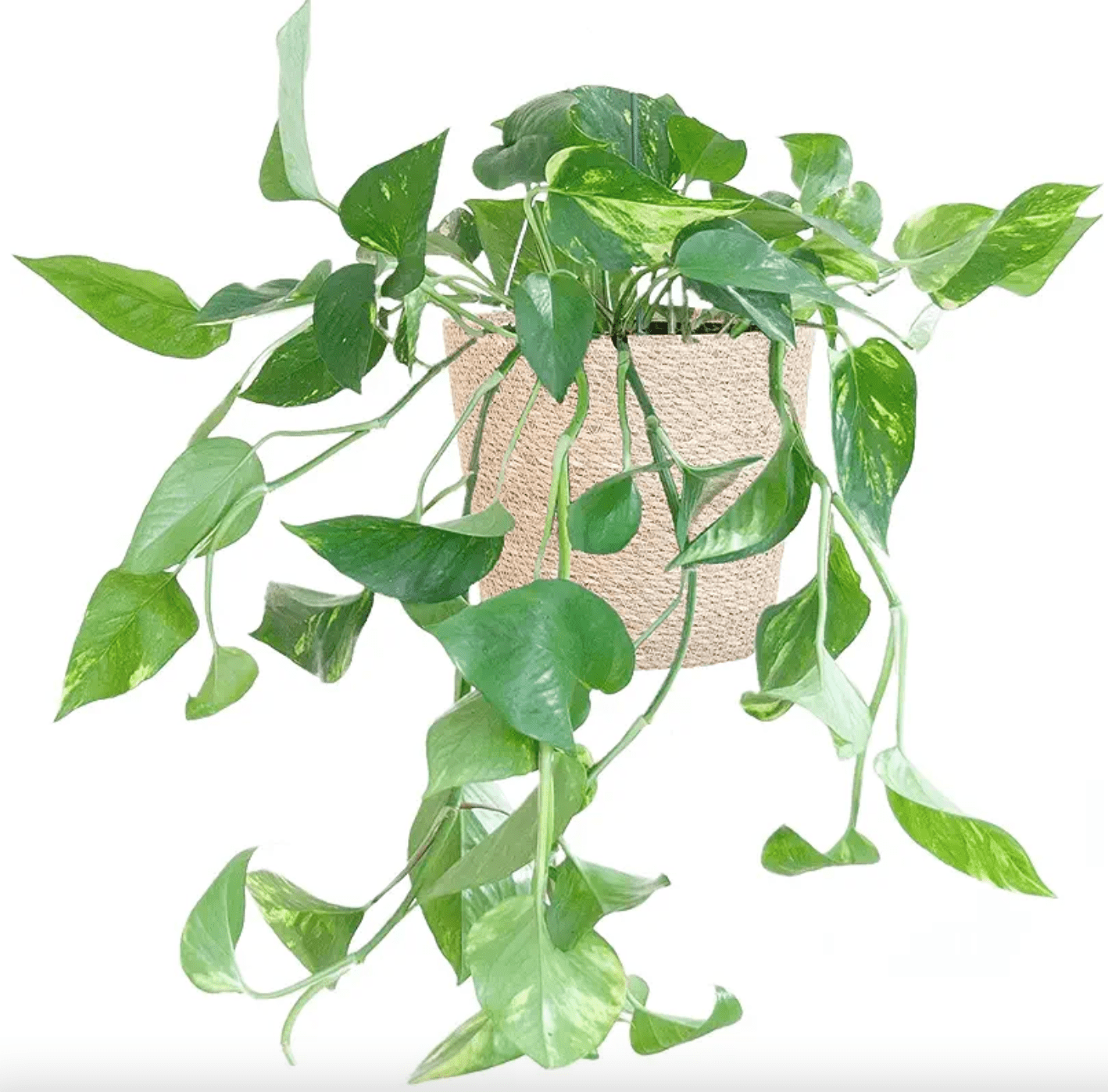
The 5 Best Trailing / Hanging House Plants for your home (and which are easiest to care for)
Trailing house plants / Hanging house plants add a touch of elegance and lushness to your indoor spaces. They are not only beautiful but also versatile, as they can be hung in baskets, placed on shelves, or cascaded from plant stands.
In this article, we introduce you to the best trailing house plants / hanging house plants to help you transform your home into a green paradise.
Table of Contents
What is a Trailing / Hanging / Draping House Plant?
A trailing houseplant is a type of indoor plant characterized by its long, cascading stems that grow and hang down, creating a trailing or cascading effect.
These plants typically have a growth pattern that allows their stems to extend outward or downward, often making them suitable for hanging baskets, shelves, or tall planters.
Trailing houseplants are popular for their decorative appeal and their ability to add a lush, flowing aspect to indoor spaces.
Some trailing houseplants are known for their vibrant foliage, while others might produce colorful flowers along their cascading stems.
What are the best Trailing / Hanging / Draping House Plants?
Heartleaf Philodendron (Philodendron hederaceum)
The Heartleaf Philodendron is a classic trailing house plant loved for its heart-shaped, deep green leaves. It’s a low-maintenance plant that can adapt to various light conditions, making it an ideal choice for both beginners and experienced plant enthusiasts.
You can hang it in a basket, place it on a high shelf, or let it cascade down a trellis for a stunning visual effect.
Key Features:
- Easy to care for.
- Adaptable to different light levels.
- Heart-shaped, glossy leaves.

String of Pearls (Senecio rowleyanus)
String of Pearls is a unique trailing succulent that captures attention with its spherical, bead-like leaves.
This plant is known for its captivating appearance and is perfect for hanging containers or macramé hangers. It thrives in bright, indirect light and is a conversation starter wherever you place it.
Key Features:
- Unique, trailing succulent.
- Ideal for hanging containers.
- Requires well-draining soil.

Golden Pothos (Epipremnum aureum)
Golden Pothos is a popular trailing house plant known for its vibrant green leaves with yellow variegation. It’s incredibly resilient and can thrive in various light conditions, from low light to indirect sunlight.
Whether you drape it from a hanging basket or allow it to trail down shelves, its cascading foliage adds a touch of natural beauty to any room.
Key Features:
- Easy to grow and maintain.
- Adaptable to different light levels.
- Air-purifying qualities.

Trailing Jade (Peperomia rotundifolia)
Trailing Jade is an elegant succulent with long, trailing stems adorned with fleshy, elongated leaves. Its silvery-green foliage creates a serene and modern aesthetic.
This trailing succulent loves bright, indirect light and thrives when allowed to drape gracefully from shelves or hanging pots.
Key Features:
- Unique trailing succulent.
- Silvery-green, elongated leaves.
- Suitable for contemporary decor.

Spider Plant (Chlorophytum comosum)
The Spider Plant is a classic trailing house plant with arching leaves that feature green and white stripes. It’s a resilient plant that can tolerate a range of lighting conditions, making it a versatile choice for any room.
The Spider Plant can be displayed in hanging baskets or placed on surfaces, where its graceful foliage adds a touch of charm.
Key Features:
- Air-purifying properties.
- Adaptable to various light levels.
- Striking green and white striped leaves.

What is the easiest trailing houseplant to grow?
If you’re looking for just one trailing houseplant that’s widely regarded as the easiest to grow, Pothos (Epipremnum aureum) would be a top contender.
Pothos is exceptionally forgiving and adaptable, making it an excellent choice for beginners or those with limited gardening experience. It can tolerate low light conditions, irregular watering, and various levels of humidity.
Additionally, Pothos is known for its lush, trailing vines and attractive heart-shaped leaves, making it a popular choice for both hanging baskets and containers.

What is the fastest growing trailing plant indoors?
The “fastest growing” trailing plant indoors can depend on various factors including lighting conditions, temperature, humidity, and care regimen.
However, one of the plants known for rapid growth under favorable conditions is the Devil’s Ivy or Golden Pothos (Epipremnum aureum).
Golden Pothos is known for its vigorous growth habit and can quickly produce long trailing vines in the right environment. It thrives in moderate to bright indirect light but can also tolerate low light conditions.
With regular watering and occasional fertilizing, Golden Pothos can grow several feet in length within a relatively short period.
Other trailing plants like Philodendron varieties, such as Heartleaf Philodendron (Philodendron hederaceum) or Philodendron Brasil (Philodendron hederaceum ‘Brasil’), can also exhibit rapid growth given proper care and conditions.
It’s essential to keep in mind that while these plants can grow quickly, their growth rate can vary depending on factors such as the availability of light, water, nutrients, and the plant’s age and health.
Regular pruning may also help to manage their growth and encourage bushier, more compact growth.


What is the difference between a trailing, draping and hanging house plants?
Trailing, draping, and hanging houseplants are often categorized based on their growth habits and how they naturally cascade or drape over the edges of containers.
While there can be some overlap in terminology, there are distinctions between these terms:
Trailing Houseplants
Trailing plants are characterized by their ability to grow long, vine-like stems that extend outward from the base of the plant. These stems may grow horizontally along the soil surface or dangle down from elevated positions.
Trailing plants often produce aerial roots along their stems, which can help them cling to surfaces for support. Examples of trailing houseplants include Pothos, String of Pearls, and Tradescantia.

Draping Houseplants
Draping plants typically have flexible stems or foliage that gracefully arch or hang down from the plant’s base or central stem. These plants often create a cascading effect as their foliage spills over the edges of containers.
While some draping plants may also exhibit trailing growth habits, the term “draping” emphasizes the elegant, flowing appearance of the plant’s foliage. Examples of draping houseplants include Spider Plant, String of Bananas, and Burro’s Tail (Sedum morganianum).

Hanging Houseplants
Hanging plants are specifically cultivated or placed in hanging containers or baskets, allowing their trailing or draping growth habits to be displayed more prominently.
While many trailing or draping plants can be grown as hanging plants, not all hanging plants necessarily have trailing or draping growth habits. The term “hanging” typically refers to how the plant is displayed rather than its specific growth habit. Examples of hanging houseplants include Boston Fern, English Ivy, and Boston Ivy.
In summary, trailing plants produce long, vine-like stems that extend outward from the base, draping plants have foliage that gracefully cascades or hangs down, and hanging plants are cultivated or displayed in hanging containers or basket often emphasizing their trailing or draping growth habits.

Some other Common Questions About Trailing /Hanging House Plants for Your Home
What are the best trailing plants for beginners?
Some of the best trailing plants for beginners include the Pothos (Epipremnum aureum), Spider Plant (Chlorophytum comosum), and the String of Hearts (Ceropegia woodii).
These plants are relatively low-maintenance and can tolerate a range of light conditions.
How do I care for trailing house plants?
Caring for trailing house plants typically involves providing them with bright, indirect light, watering when the top inch of soil feels dry, and ensuring they have proper drainage.
Some trailing plants also benefit from occasional pruning to maintain their shape and promote fuller growth.
Can trailing plants grow in low light?
Yes, some trailing plants like the Pothos and Heartleaf Philodendron (Philodendron hederaceum) can tolerate low light conditions.
However, they may grow more slowly and develop less vibrant foliage compared to when they are grown in brighter light.
How often should I water my trailing plants?
The watering needs of trailing plants vary depending on the species, but generally, you should water them when the top inch of soil is dry.
Overwatering can lead to root rot, so it’s important to ensure the soil has dried out sufficiently between waterings.
Can I propagate trailing plants?
Yes, many trailing plants are easy to propagate, often through stem cuttings. Simply cut a healthy stem just below a node, place it in water or directly into soil, and it should begin to develop roots within a few weeks.
What are the benefits of having trailing plants indoors?
Trailing plants can purify indoor air, add natural beauty to your home, and create a calming environment.
They are also versatile in design, as they can be placed on shelves, in hanging baskets, or draped over furniture.
Do trailing plants need fertilizer?
Yes, trailing plants benefit from regular feeding during the growing season (spring and summer).
Use a balanced, water-soluble fertilizer every 4-6 weeks to encourage healthy growth. Be sure to follow the specific feeding requirements of each plant species.
How do I prevent pests on my trailing plants?
To prevent pests, regularly inspect your plants for any signs of infestation and maintain proper plant hygiene.
Remove any dead or yellowing leaves and avoid overwatering. If pests are detected, treat them with insecticidal soap or neem oil.
Are trailing plants pet-friendly?
Not all trailing plants are safe for pets. For example, Pothos and Philodendron can be toxic to cats and dogs if ingested.
Always check the toxicity of plants before introducing them into a home with pets.
What is the best soil for trailing plants?
Trailing plants generally prefer well-draining soil. A mix of potting soil with added perlite or sand works well for most trailing plants, ensuring that the roots don’t sit in water and risk developing root rot.
Can I grow trailing plants outdoors?
Yes, many trailing plants can thrive outdoors in the right conditions. However, they should be protected from harsh sunlight and extreme weather.
They can be used in outdoor hanging baskets, containers, or as ground cover in shaded areas.
How do I train trailing plants to climb?
To train trailing plants to climb, you can use trellises, stakes, or moss poles. Gently tie the stems to the support structure using plant ties or soft string.
Some plants, like ivy, naturally cling to surfaces with aerial roots, while others may need a bit more guidance.
How do I prune trailing plants?
Prune trailing plants by cutting back any leggy or overgrown stems to encourage bushier growth.
Regular pruning helps maintain the shape of the plant and prevents it from becoming too unruly. Use clean, sharp scissors or pruning shears to make cuts just above a leaf node.
What are some popular trailing succulents?
Popular trailing succulents include the String of Pearls (Senecio rowleyanus), Burro’s Tail (Sedum morganianum), and String of Bananas (Senecio radicans).
These plants are drought-tolerant and thrive in bright light with minimal watering.
How can I increase humidity for my trailing plants?
To increase humidity for trailing plants, you can mist them regularly, use a humidity tray, or place a humidifier nearby.
Grouping plants together can also create a microenvironment with higher humidity levels.
How do I choose the right container for my trailing plants?
Choose containers with good drainage holes to prevent waterlogging. Hanging baskets, ceramic pots, or even upcycled containers can work well.
Ensure the size of the pot matches the growth of the plant—too large a pot can lead to overwatering, while too small can restrict growth.
Why are the leaves on my trailing plant turning yellow?
Yellow leaves can indicate overwatering, poor drainage, or a lack of nutrients. Check the soil moisture, ensure proper drainage, and consider feeding the plant with a balanced fertilizer if nutrient deficiency is suspected.
Can I keep trailing plants in the bathroom?
Yes, many trailing plants thrive in the humid environment of a bathroom. Plants like Boston Ferns, Spider Plants, and English Ivy are well-suited for bathroom conditions, provided they receive adequate light.
How do I prevent my trailing plants from becoming too leggy?
To prevent legginess, ensure your trailing plants receive enough light, and rotate the pot regularly so all sides get exposure.
Prune back overgrown stems to encourage fuller growth, and consider feeding them during the growing season to promote healthy development.
Conclusion
Trailing house plants / Hanging house plants are not only visually appealing but also versatile in their placement options.
Whether you’re a seasoned plant parent or just starting your indoor gardening journey, these trailing house plants / hanging house plants there are a range of options to suit your preferences.
Embrace the beauty of cascading greenery in your home and create a serene and vibrant atmosphere with these stunning trailing house plants.
You may also be interested in these articles
The Best Trailing Plants For Your Shelves
Top 5 Most Popular House Plants
Best House Plants to Purify the Air
House Plants That Thrive in Direct Sunlight
Houseplants That Thrive without Direct Sunlight
Best Varieties of Air Plants and How To Care for them.
Top 5 Ways to Keep Your House Plants Healthy
Top 5 Most Popular House Plants
5 Easiest Bonsai Trees for Beginners



Leave a Reply