
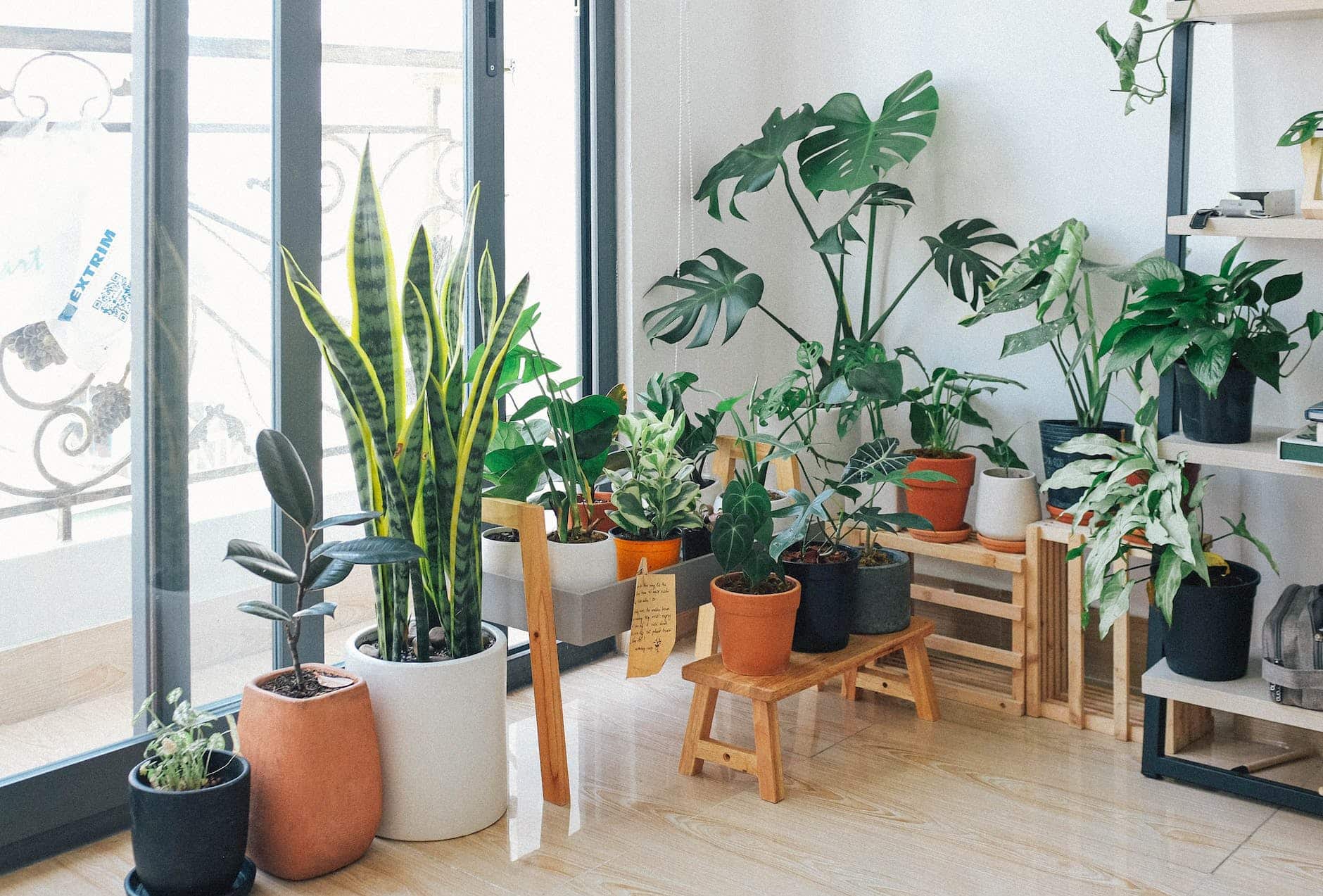
Top Tips to Style Your Home with House Plants
In interior design, house plants are essential elements that not only enhance the aesthetic appeal of a space but also contribute to creating a healthier and more vibrant living environment.
The versatility of house plants allows for endless possibilities in styling, bringing nature indoors and adding a touch of green elegance to any room.
In this comprehensive guide, we will explore various techniques and tips on how to style a house with house plants, elevating your home decor to new heights.
Table of Contents
The Benefits of Styling with House Plants
Before delving into the intricacies of styling, let’s take a moment to appreciate the numerous benefits that house plants bring to your living space:
Improved Indoor Air Quality:
House plants act as natural air purifiers, removing toxins and impurities from the air. This not only contributes to better respiratory health but also creates a fresher and more invigorating atmosphere.
You can learn more about plants that enhance air quality here : Plants That Absorb Air Moisture: Enhancing Indoor Air Quality in the UK
Enhanced Aesthetics:
The lush greenery of house plants adds a visual appeal to any room. From vibrant, large-leafed plants to delicate cascading vines, the diverse shapes and colors of plants can complement various design styles.
Stress Reduction:
Research has shown that the presence of plants in indoor spaces can reduce stress levels and promote a sense of well-being. The act of caring for plants can also be therapeutic, fostering a deeper connection with nature.
Versatility in Design:
House plants are incredibly versatile and adaptable to various design styles. Whether your home exudes a modern, minimalist vibe or boasts a more eclectic and bohemian atmosphere, there’s a plant and styling approach to suit every taste.
Connection with Nature:
In an increasingly urbanized world, incorporating house plants into your decor allows you to maintain a connection with nature. This biophilic design element brings the outdoors inside, creating a harmonious balance between the built environment and the natural world.
Choosing the Right House Plants for Your Space
The first step in styling your home with house plants is selecting the right plants based on factors such as lighting conditions, available space, and personal preferences.
Here are some popular house plants that are well-suited for various environments:
Snake Plant (Sansevieria):
- Light Requirements: Low to bright, indirect light
- Snake plants are hardy and adaptable, making them suitable for both low-light corners and well-lit spaces. Their upright leaves add a sculptural element to your decor.


Fiddle Leaf Fig (Ficus lyrata):
- Light Requirements: Bright, indirect light
- The fiddle leaf fig is a statement plant with large, glossy leaves. It thrives in bright spaces and adds a touch of elegance to living rooms and bedrooms.

Pothos (Epipremnum aureum):
- Light Requirements: Low to moderate, indirect light
- Pothos is a versatile trailing plant that can thrive in various lighting conditions. Its heart-shaped leaves make it a popular choice for hanging planters or as a cascading element on shelves.


Swiss Cheese Plant – Monstera Deliciosa:
- Light Requirements: Bright, indirect light
- With its iconic split leaves, the monstera deliciosa is a favorite among plant enthusiasts. It adds a tropical and modern touch to interiors.

Spider Plant (Chlorophytum comosum):
- Light Requirements: Low to bright, indirect light
- Spider plants are known for their arching leaves and air-purifying qualities. They thrive in various light conditions and are suitable for hanging planters.

ZZ Plant (Zamioculcas zamiifolia):
- Light Requirements: Low to moderate, indirect light
- ZZ plants are hardy and drought-tolerant, making them ideal for spaces with lower light levels. Their glossy, dark green leaves add a sleek element to modern interiors.

Peace Lily (Spathiphyllum spp.):
- Light Requirements: Low to moderate, indirect light
- Peace lilies are renowned for their elegant white blooms and air-purifying abilities. They thrive in low-light conditions, making them suitable for bedrooms and bathrooms.

Aloe Vera:
- Light Requirements: Bright, indirect light
- Aloe vera is not only known for its soothing properties but also for its architectural appeal. Placing an aloe vera plant in a sunny spot can add a touch of modernity to your space.


How can I choose the right houseplants for my home’s interior?
When choosing houseplants for your home’s interior, consider the following:
Light Conditions: Determine the light levels in different rooms. Some plants thrive in bright, direct light, while others do well in low-light conditions.
Space Available: Consider the size of the plants in relation to the space you have. Tall plants like fiddle-leaf figs are great for empty corners, while smaller plants like succulents are perfect for shelves and tabletops.
Maintenance Needs: Choose plants that match your level of experience and the amount of time you can dedicate to their care. Low-maintenance plants like snake plants and pothos are ideal for beginners.
Aesthetic: Select plants that complement your home’s style. For example, sleek and simple plants like ZZ plants fit well in modern spaces, while lush, leafy plants like monstera can enhance a boho or tropical vibe.
How can I style houseplants to match my home’s decor theme?
Matching houseplants to your home’s decor theme involves considering both the plants and the planters:
Modern/Minimalist: Choose sleek, simple plants like snake plants or ZZ plants and pair them with clean, modern planters in neutral colors.
Boho: For a boho style, go for a mix of lush, leafy plants like monstera or philodendron. Use woven baskets, macramé hangers, or rustic terracotta pots.
Industrial: Combine hardy plants like cacti or rubber plants with metal or concrete planters for an industrial look.
Traditional: Opt for classic plants like ferns or peace lilies in elegant ceramic pots or decorative urns.
Styling Techniques for Different Rooms
Now that you’ve selected your house plants, let’s explore styling techniques tailored to specific rooms in your home:
Living Room:
- Statement Plant: Place a tall and visually striking plant, such as a fiddle leaf fig or monstera, in a decorative pot as a focal point.
- Clustered Arrangement: Create a cohesive display by grouping smaller plants together on a coffee table or side table. Mix and match different plant varieties for visual interest.
Bedroom:
- Nightstand Greenery: Choose smaller plants like snake plants or peace lilies to adorn your nightstands. The calming presence of plants can contribute to a serene sleep environment.
- Hanging Planters: Utilize hanging planters or wall-mounted shelves to introduce greenery without taking up precious floor space.
Kitchen:
- Herb Garden: Incorporate functional and decorative elements by cultivating a small herb garden on your kitchen windowsill. Basil, mint, and rosemary not only add freshness to your meals but also create a charming display. You can learn more about the best herbs to grow indoors here : The Best Herbs to Grow Indoors in the UK
- Open Shelving Greens: Place trailing plants like pothos on open kitchen shelves for a touch of greenery. This adds an organic element to your culinary space. You can learn more about trailing plants here : The Best Trailing / Hanging House Plants for your home
Bathroom:
- Humidity-Loving Plants: Select plants like ferns or spider plants that thrive in higher humidity levels for bathroom spaces. Consider placing them on countertops or hanging planters. You can learn more about the best humidity loving plants here : Top 5 House Plants to Absorb Humidity
- Air-Purifying Elements: Introduce peace lilies or snake plants to capitalize on their air-purifying qualities, enhancing the overall ambiance of your bathroom. You can learn more about air-purifying house plants here : Best House Plants to Purify the Air
Home Office:
- Desk Companion: Place a small, low-maintenance plant like a ZZ plant or a succulent on your desk for a burst of greenery. This can create a more inviting and productive workspace.
- Floating Shelves: Install floating shelves above your desk and adorn them with a mix of potted plants and decorative planters. This adds a touch of nature to your work area.
Entryway:
- Welcoming Foyer: Position a tall plant, such as a snake plant or a fiddle leaf fig, near the entryway to create a welcoming atmosphere. This sets a positive tone for anyone entering your home.
- Console Table Display: Arrange a cluster of smaller plants on a console table or entryway furniture. This not only adds visual interest but also introduces a breath of fresh air as you enter your home.
Creative Plant Containers and Display Ideas
Enhance the visual impact of your house plants by choosing creative containers and exploring unique display ideas:
Macramé Plant Hangers:
Elevate trailing plants like pothos or spider plants by placing them in stylish macramé plant hangers. Hang these near windows or in corners for a bohemian touch.

Decorative Plant Stands:
Invest in decorative plant stands to elevate your plants, creating a layered and visually appealing display. This is particularly effective for showcasing plants with cascading foliage.


Mismatched Planters:
Embrace an eclectic aesthetic by using mismatched planters in various shapes, sizes, and materials. This adds character to your plant display and complements diverse design styles.
Terrariums and Glass Containers:
Create miniature ecosystems by placing small plants, such as succulents or air plants, in glass terrariums or containers. This adds a touch of whimsy and a modern flair to your décor. You can read the ultimate guide to plant pots for succulent and small plants here : The Ultimate Guide to Succulent Plant Pots

Repurposed Vintage Items:
Consider repurposing vintage items like teacups, tin cans, or wooden crates as plant containers. This adds a unique and personalized touch to your plant arrangements.
Floating Wall Shelves:
Install floating wall shelves at different heights to create a dynamic and visually interesting plant display. This technique is particularly effective for showcasing a collection of small plants.

Botanical Gallery Wall:
Frame botanical prints or illustrations and intersperse them with small potted plants. This creates a botanical gallery wall that adds an artistic and nature-inspired element to your home.
Maintenance and Care Tips
Caring for your house plants is essential to ensure their longevity and continued vibrancy. Here are some maintenance and care tips to keep your green companions thriving:
Watering:
Understand the specific watering needs of each plant. Overwatering can lead to root rot, while underwatering can result in wilting. Use a consistent watering schedule but adjust based on the plant’s requirements.
Lighting:
Place plants in locations that match their light requirements. Some plants thrive in bright, indirect light, while others prefer lower light conditions. Rotate plants periodically to ensure even exposure.
Humidity:
Monitor the humidity levels in your home, especially if you have plants that prefer higher humidity. Grouping plants together or using humidifiers can create a more favorable environment.
Pruning and Grooming:
Regularly prune and groom your plants to remove dead or yellowing leaves. This not only improves the plant’s appearance but also encourages healthy growth.
Fertilizing:
During the growing season (spring and summer), fertilize your plants according to their specific needs. Follow the recommended guidelines on the fertilizer packaging to avoid over-fertilization.
Inspect for Pests:
Keep an eye out for pests such as spider mites or aphids. If detected, treat the affected plants promptly with insecticidal soap or neem oil.
Repotting:
Repot plants when they outgrow their containers or when the soil becomes depleted. Use fresh, well-draining potting mix, and choose a container with proper drainage.
Seasonal Adjustments:
Be mindful of seasonal changes and adjust your care routine accordingly. Plants may have different needs in winter compared to summer, so pay attention to temperature and light variations.
Common Questions About How to Style Your Home with House Plants
How can I use houseplants to create focal points in a room?
Houseplants can be excellent focal points when used strategically. Here are some tips:
Statement Plants: Large plants like a fiddle-leaf fig or a rubber tree can become the centerpiece of a room. Place them in a prominent spot, like beside a sofa or in an empty corner.
Planters and Stands: Use decorative planters or plant stands to elevate your plants, literally and figuratively. Unique planters can draw attention and add to the aesthetic of the room.
Grouping Plants: Grouping smaller plants together can create a visually interesting display. Vary the heights and textures to add depth.
Hanging Plants: Hanging plants like trailing ivy or string of pearls can draw the eye upward, making the space feel larger and more dynamic.
What are some creative ways to display houseplants?
There are numerous creative ways to display houseplants in your home:
Shelving: Use floating shelves or bookcases to create plant displays at various heights.
Plant Stands: Elevate your plants with stylish plant stands, which come in various designs to suit different interiors.
Hanging Planters: Hang plants from the ceiling or wall hooks to utilize vertical space. This works well in small spaces.
Wall-mounted Planters: Wall-mounted planters are great for creating a living wall effect or adding greenery to small rooms.
Repurposed Items: Use repurposed items like vintage teacups, crates, or baskets as unique planters.
What are the best houseplants for small spaces?
For small spaces, consider the following compact houseplants:
Succulents: Succulents like echeveria and haworthia are small and easy to care for, making them perfect for tiny spaces.
Air Plants: Air plants (Tillandsia) don’t require soil, so they can be displayed in creative ways, such as in glass terrariums or mounted on walls.
Pothos: Pothos are versatile and can be trained to grow vertically or trail down from shelves or hanging planters.
Spider Plant: Spider plants are small but can add a lot of greenery. They also produce small plantlets that can be potted separately.
How can I style hanging plants in my home?
Hanging plants can add a beautiful, dynamic element to your home’s decor. Here are some ideas:
Hang in Corners: Use hanging plants to fill empty corners or awkward spaces.
Create a Green Canopy: Hang multiple plants at different heights to create a layered, green canopy effect.
Window Displays: Hang plants in front of windows to maximize light and create a living curtain.
Above Furniture: Hang plants above furniture pieces like sofas or tables to draw the eye upward and make the space feel larger.
How can I use plants to add color to my home?
Plants can add color through their foliage or flowers:
Colorful Foliage: Plants like the croton, calathea, or coleus offer vibrant, multi-colored leaves that can complement or contrast with your home’s color palette.
Flowering Plants: Indoor flowering plants like African violets, orchids, or peace lilies can add pops of color.
Bright Planters: Even if your plants have green foliage, you can use brightly colored or patterned planters to add color to your space.
How do I maintain a cohesive look with multiple houseplants?
To maintain a cohesive look with multiple houseplants:
Consistent Planters: Use planters that are similar in color, material, or style to create a unified look.
Group by Size and Shape: Arrange plants in groups of three or more, varying the sizes and shapes to add interest while keeping a balanced look.
Color Coordination: Choose plants with similar tones or complementary colors to create a harmonious arrangement.
Use a Plant Shelf: Dedicate a shelf or area to display your plants, keeping the arrangement organized and aesthetically pleasing.
Can houseplants be used in outdoor spaces like balconies or patios?
Yes, many houseplants can thrive outdoors in suitable conditions:
Move Indoor Plants Outside: In the warmer months, you can move houseplants like ferns, palms, or succulents outside to balconies or patios. Gradually acclimate them to the new light levels.
Outdoor Plant Selection: Choose plants that can handle outdoor conditions, like succulents, herbs, or tropical plants, depending on your climate.
Containers and Planters: Use weather-resistant containers and ensure they have good drainage for outdoor use.
What are some ways to decorate with plants in small apartments?
In small apartments, maximizing space is key.
Here are some tips:
Vertical Space: Utilize vertical space with hanging plants or wall-mounted planters.
Multi-Purpose Furniture: Choose furniture with built-in plant stands or shelving that can accommodate plants.
Window Sills: Use window sills to place small plants, which also benefit from the natural light.
Compact Plants: Opt for smaller plants or those with a trailing habit, like ivy, that can be trained to grow vertically or along surfaces.
Cluster Small Plants: Group small plants together on a tray or shelf to create a mini indoor garden without taking up much floor space.
Can I mix artificial and real plants in my decor?
Yes, mixing artificial and real plants can create a lush, green look with minimal maintenance:
Use Artificial Plants in Low Light: In areas with low light, where real plants may struggle, use realistic artificial plants.
Blend with Real Plants: Place artificial plants alongside real ones to create a fuller display that blends seamlessly.
Choose High-Quality Artificial Plants: Invest in high-quality artificial plants that look realistic and are made from durable materials.
How can I style houseplants in a minimalist home?
In a minimalist home, less is more. Here’s how to style houseplants:
Select Simple Plants: Choose plants with clean lines and simple shapes, like snake plants, ZZ plants, or succulents.
Use Neutral Planters: Opt for planters in neutral colors or sleek, modern designs that complement the minimalist aesthetic.
Limit Quantity: Instead of crowding your space with plants, select a few statement plants that can stand out.
Monochromatic Displays: Group plants of similar color tones together for a cohesive, minimal look.
How do I avoid clutter when decorating with houseplants?
To avoid clutter when decorating with houseplants:
Group Plants: Instead of scattering plants throughout a room, group them together in clusters to create focal points.
Limit the Number of Plants: Choose a few well-placed plants rather than filling every available space.
Use Shelving: Utilize shelves to keep plants off the floor and tables, freeing up surface space.
Consider Scale: Ensure that the size of the plants matches the size of the space. Large plants in small rooms can feel overwhelming, and too many small plants can feel cluttered.
Conclusion
Styling your home with house plants is a rewarding endeavor that goes beyond mere decoration. It’s an opportunity to infuse your living space with the beauty of nature, creating a harmonious and balanced environment.
Whether you’re drawn to the sleek lines of modern design, the warmth of bohemian decor, or the timeless elegance of classic interiors, house plants can seamlessly integrate into any style, adding a unique and personalized touch.
By carefully selecting the right plants, considering their placement, and incorporating creative containers and display ideas, you can transform your home into a green oasis. The benefits of improved air quality, enhanced aesthetics, and a connection with nature make styling with house plants a holistic approach to interior design.
Embrace the green elegance, nurture your green companions, and let the vibrant energy of nature flourish within the walls of your home. With a thoughtful and curated approach, your house will not only be adorned with plants but will also exude a sense of tranquility, vitality, and timeless beauty.
You may also be interested in
Best Varieties of Succulents for Your Home
Top Five Easiest Bonsai Trees for Beginners
The Easiest Bonsai Tree for Beginners
What Are The Best Indoor Draping Plants?
How to Decorate Your House with Rugs – a comprehensive guide
A Comparison of the Kärcher Window Vacs – which is best?
How to Clean Your Microwave: Tips and Techniques for a Spotless Appliance
Selecting the Perfect Aquarium for Your Small Apartment
The Best Easy-to-Read Wall Clocks for Your Home
How to make your bathroom smell like a spa: Aromatherapy Tips and Techniques
The Best Modern Wall Clocks: Minimalist, Retro, Tech-Infused, Statement & Artistic designs



Leave a Reply