
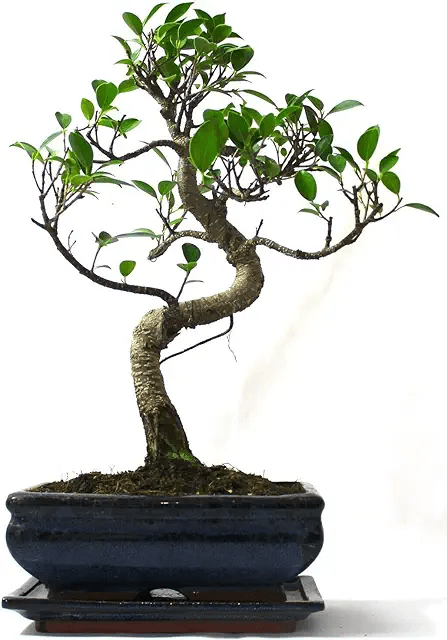
Ficus Retus: The Easiest Bonsai Tree for Beginners
Bonsai, an ancient Japanese art form, has long been admired for its miniature trees and profound symbolism. The thought of embarking on a bonsai journey may seem intimidating to beginners, but there’s good news – there’s one bonsai tree that stands out as the ultimate choice for newcomers to this captivating world of miniature horticulture.
In this article, we’ll introduce you to the single easiest bonsai tree for beginners, the “Ficus Retusa,” and explore why it’s the ideal starting point for your bonsai adventure.
Table of contents
A short history of Bonsai Trees
Before we talk about “Ficus Retusa” and why it is the perfect Bonsai Tree for beginners, I wanted to first provide a very quick history of these amazing little ornamental trees.
The history of bonsai, the art of growing miniature trees in containers, traces back to ancient China and Japan, with roots in the Chinese art of penjing.
The practice of cultivating miniature trees in containers has its origins in China over a thousand years ago. Chinese scholars and artists cultivated small trees in pots, focusing on depicting landscapes in a tray and creating living art pieces.
Bonsai was introduced to Japan around the 6th century, initially as a symbol of wealth and prestige among aristocrats and nobles. The Japanese embraced the art form, incorporating their own cultural and artistic sensibilities.
Over time, bonsai in Japan evolved beyond being a symbol of status to becoming a refined art form accessible to a broader population. Japanese artisans further refined the techniques of cultivating and shaping miniature trees, emphasizing the harmony between nature and artistic expression.
Various bonsai styles emerged, reflecting different natural settings and landscapes. Schools of bonsai practice, such as the formal upright (Chokkan), informal upright (Moyogi), slanting (Shakan), and cascade (Kengai), were established, each with its own aesthetic principles.
Bonsai became deeply intertwined with Japanese culture, embodying concepts such as harmony, balance, and contemplation. The art of bonsai was not just about cultivating small trees but also about evoking a sense of the natural world in miniature form.
Bonsai gained international recognition during the late 19th and early 20th centuries. Japanese exhibitions showcased bonsai, capturing the attention of Western audiences and sparking interest in the art form worldwide.
Bonsai eventually transcended cultural boundaries, spreading to different parts of the world. Bonsai enthusiasts around the globe embraced the practice, adapting techniques and styles to suit local climates and plant species.
Today, bonsai continues to be a revered horticultural art form practiced and appreciated worldwide. It embodies patience, meticulous care, and an understanding of the intricate balance between the tree, container, and environment. Bonsai remains a living art form that symbolizes a deep connection to nature, artistry, and cultural heritage.
Ficus Retusa – The Perfect Bonsai Tree for Beginners
Ficus Retusa, commonly known as the “Banyan Fig” or “Ficus Microcarpa,” is the preferred choice for novices venturing into the enchanting world of bonsai. Its beginner-friendly qualities and forgiving nature make it an exceptional selection for those who are new to the art of bonsai cultivation.

Why is Ficus Retusa the Best Beginners Bonsai Tree?
1. Hardiness and Tolerance
One of the standout features of the Ficus Retusa is its remarkable adaptability and resilience. It can endure a wide range of environmental conditions, including varying light levels and temperature fluctuations. This resilience makes it well-suited for both indoor and outdoor settings, making it versatile for beginners who may not yet have the ideal bonsai garden setup.

2. Low Maintenance Requirements
Ficus Retusa is relatively undemanding when it comes to care. It’s not overly sensitive to fluctuations in watering, meaning it can withstand periods of slight neglect without succumbing to damage. While consistent care is important, the Ficus Retusa is forgiving of occasional lapses.

3. Forgiving Pruning and Shaping
As a beginner, you’ll need a bonsai tree that allows room for error. The Ficus Retusa provides this flexibility. Its branches are sturdy and can be easily pruned and shaped to your desired style. This tree responds well to wiring and training, making it a suitable canvas for bonsai beginners to explore their creative side.

4. Compact Size and Aesthetic Appeal
The Ficus Retusa naturally has small, glossy leaves, which are ideal for creating a balanced and visually appealing bonsai. Its bark displays an attractive mottled appearance, adding to the aesthetic charm of this tree. It’s known for its visually appealing root structure, which can be displayed beautifully above the soil line.

5. Year-Round Greenery
The Ficus Retusa is an evergreen tree, meaning it maintains its green foliage throughout the year. This characteristic ensures your bonsai remains vibrant and attractive regardless of the season, adding a touch of nature to your living space.

6. Low Cost and Accessibility
Ficus Retusa bonsai trees are readily available and affordable, making it easy for beginners to obtain their first bonsai. This accessibility is an advantage for those who want to experiment without a significant financial investment.

Care Tips for Your Ficus Retusa
- Light: Place your Ficus Retusa in bright, indirect light. It can tolerate partial sunlight but should be protected from harsh midday sun.
- Water: Allow the soil to partially dry between watering. Overwatering can lead to root rot, so err on the side of caution.
- Pruning and Shaping: Regular pruning will help maintain the bonsai’s desired shape and size. Wiring can be used to guide branch growth.
- Repotting: Repot your Ficus Retusa every two to three years during the spring to refresh the soil and encourage healthy root development.
- Pests and Diseases: Keep an eye out for common bonsai pests like aphids and scale insects. Regularly inspect your tree to catch and address issues early.
Conclusion
If you’re just starting your bonsai journey and are seeking a user-friendly, forgiving, and aesthetically pleasing bonsai tree, the Ficus Retusa is the one to consider.
Its adaptability, resilience, and low-maintenance requirements make it an excellent choice for beginners. Cultivating a Ficus Retusa bonsai can be a rewarding experience that introduces you to the art of bonsai with minimal stress and plenty of opportunities for creative expression.
You may also be interested in
5 Easiest Bonsai Trees for Beginners
House Plants That Thrive in Direct Sunlight
Houseplants That Thrive without Direct Sunlight
Best Varieties of Air Plants and How To Care for them.
The Best Trailing / Hanging House Plants for your home
Best House Plants to Purify the Air
Top 5 Ways to Keep Your House Plants Healthy
Top 5 Most Popular House Plants



Leave a Reply