
The 7 Best Varieties of Succulents for Your Home
Succulents have captured the hearts of plant enthusiasts worldwide due to their unique shapes, vibrant colors, and ease of care. These low-maintenance plants are perfect for indoor gardening, adding a touch of nature to your home without requiring a green thumb.
In this article, we explore some of the best varieties of succulents that are well-suited for indoor living.
Whether you’re a seasoned plant lover or a beginner, these succulents are sure to thrive in your home.
Table of contents
What are succulents?
Before we get into the best varieties of succulents, let’s first explore what succulents are..
Succulents are a diverse group of plants known for their unique appearance, water-retention capabilities, and adaptability to various environments.
They store water in their leaves, stems, or roots, enabling them to survive in arid or drought-prone conditions.
What are the key characteristics of succulents?
Fleshy Leaves or Stems
Succulents typically have thick, fleshy leaves or stems that store water. This adaptation allows them to survive in dry climates by retaining moisture.
Diverse Shapes and Sizes
Succulents come in various shapes, sizes, textures, and colors. Some have rosette-shaped arrangements, while others display elongated or cylindrical forms.
Drought Tolerance
Their ability to store water enables succulents to endure periods of drought. They are adapted to conserve water by minimizing water loss through evaporation.
Low-Maintenance
Succulents are often favored for their low-maintenance requirements. They generally thrive in well-draining soil, require infrequent watering, and prefer ample sunlight.
Indoor and Outdoor Varieties
While many succulents are suitable for outdoor gardens in regions with mild climates, certain species can be grown indoors, making them popular houseplants due to their adaptability to indoor conditions.
Succulents have become popular choices for both experienced and novice gardeners due to their unique appearance, resilience, and their ease of care.
They can be incorporated into various garden designs, arrangements, terrariums, and indoor displays, adding visual interest and a touch of nature to living spaces.
The 7 best varieties of succulents
Echeveria
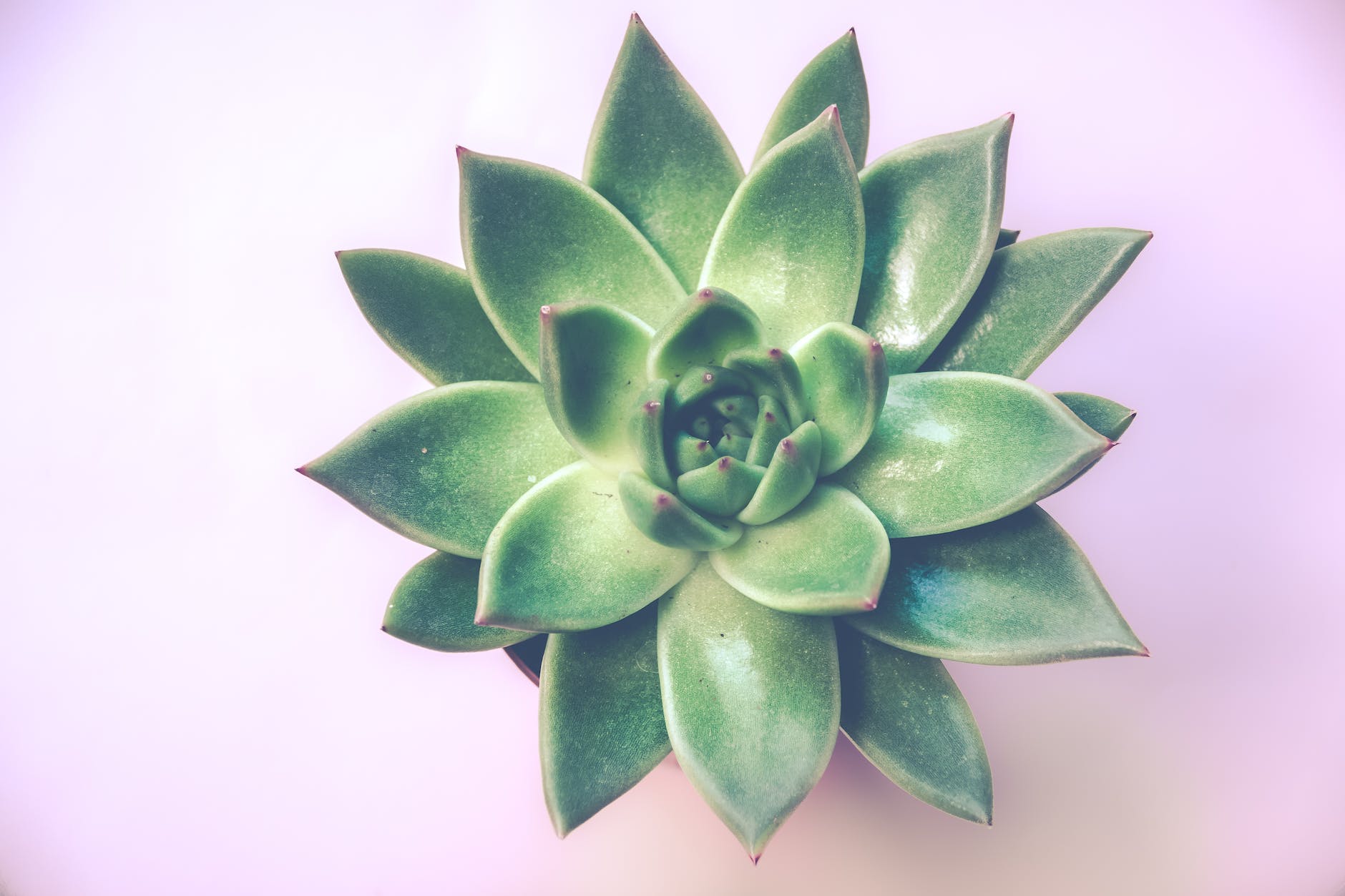
Echeveria is a popular choice among succulent enthusiasts, thanks to its stunning rosette shape and a wide range of colors, including shades of green, blue, purple, and pink. These succulents are relatively small and are perfect for tabletop arrangements or windowsills.
Echeverias thrive in bright, indirect light and require well-draining soil.

Did you know you can also get a Glow in The Dark Echeveria Houseplant? It has a harmless coat of luminous paint creates a star-like display at night.

Haworthia
Haworthias are known for their compact size and eye-catching rosettes. They come in various varieties, including the popular Zebra Haworthia with its white striped leaves. Haworthias are well-suited for low to moderate light conditions, making them ideal for offices or rooms with limited sunlight.
These succulents are also forgiving when it comes to watering, making them great for beginners.

Sedum
Sedums, also known as stonecrops, are versatile succulents that come in various shapes and sizes. They’re characterized by their fleshy leaves and tolerance for neglect. Sedums are perfect for hanging baskets, as ground cover, or as standalone potted plants. They prefer bright, indirect light and well-draining soil.

Aloe Vera
Aloe Vera is not only a beautiful succulent but also a useful one. Its gel-filled leaves have medicinal properties and can be used to soothe burns and skin irritations. Aloe Vera is easy to care for and thrives in bright, indirect light. It’s an excellent addition to your indoor garden and can be kept on a sunny windowsill.

Crassula Ovata (Jade Plant)
The Jade Plant is a classic choice for indoor succulent gardening. It features thick, oval-shaped leaves and is often associated with good luck and prosperity. Jade Plants are drought-tolerant and prefer bright, indirect light. They can grow into small trees over time, adding a touch of elegance to your indoor space.

Sansevieria (Snake Plant)
Sansevieria, commonly known as the Snake Plant, is an excellent choice for low-light conditions. It’s known for its air-purifying qualities and striking upright leaves. Snake Plants come in various varieties, including ones with variegated leaves. They require minimal maintenance and can thrive in indirect light.

Kalanchoe
Kalanchoes are appreciated for their colorful, long-lasting flowers, making them a delightful addition to your indoor garden. These succulents prefer bright, indirect light and well-draining soil. Kalanchoes come in various flower colors, including red, orange, pink, and yellow, adding a splash of color to your space.

How often do you water a succulent?
Watering succulents can be a bit tricky as they have unique water requirements compared to other houseplants.
The frequency of watering depends on several factors, including the type of succulent, the climate in your area, the potting mix used and the conditions in your home.
However, here are some general guidelines to help you determine how often to water your succulents:
Check the Soil Moisture
Before watering your succulents, always check the moisture level of the soil. Stick your finger about an inch into the soil near the base of the plant. If the soil feels dry to the touch, it’s time to water. If it still feels moist, wait a few more days before checking again.
Watering Frequency
In general, most succulents prefer infrequent but deep watering. Water your succulents thoroughly when you do water them, allowing water to soak the entire root ball. Then, allow the soil to dry out completely before watering again. Depending on factors such as the type of succulent, the size of the pot, and the environmental conditions, you may need to water your succulents every 1-2 weeks during the growing season (spring and summer).
In the winter months, when succulents are dormant, you can reduce the frequency of watering to once every 3-4 weeks or even less frequently, depending on the conditions.
Adjust for Climate and Environment
If you live in a hot and dry climate, your succulents may need more frequent watering compared to those in cooler or more humid environments. Similarly, if you keep your succulents indoors in a climate-controlled environment, they may require less water than those kept outdoors or in a greenhouse.
Use Well-Draining Soil
Succulents thrive in well-draining soil that allows excess water to flow out freely. Use a commercial succulent or cactus potting mix, or create your own by adding sand, perlite, or pumice to regular potting soil to improve drainage.
There are two varieties that I recommend, Growth Technology Cactus and Succulent Focus Repotting mix and Westland Cacti/Succulent Potting Compost Mix :


Watering Technique
When watering your succulents, water them at the base of the plant rather than overhead. Avoid getting water on the leaves, as this can increase the risk of rot and fungal diseases.
Observe the Plants
Pay attention to how your succulents respond to watering. If you notice signs of overwatering, such as wilting, yellowing, or mushy leaves, reduce the frequency of watering. Conversely, if you see signs of underwatering, such as shriveled or wrinkled leaves, increase the frequency of watering.
Do succulents need sun or shade?
Succulents are a diverse group of plants that have adapted to thrive in arid environments, storing water in their fleshy leaves, stems, or roots.
While they are known for their ability to tolerate drought conditions, proper sunlight exposure is essential for their growth and health.
Here’s a breakdown of whether succulents need sun or shade:
Sunlight Requirements for Succulents
Sun-Loving Succulents
The majority of succulents prefer bright sunlight and thrive in full sun conditions. These sun-loving succulents typically originate from arid regions with intense sunlight exposure, such as deserts and semi-deserts. Examples include Echeveria, Sedum, Aloe, and Haworthia.
Ideal Sun Exposure
Ideally, sun-loving succulents should receive at least 6 hours of direct sunlight per day to maintain their compact growth, vibrant colors, and overall health. Placing them in south-facing windows or outdoors in areas with ample sunlight exposure is ideal.
Signs of Insufficient Sunlight
Succulents that don’t receive enough sunlight may exhibit certain signs, including elongated stems, stretched-out growth, pale or faded colors, and a weakened appearance. Inadequate sunlight can also lead to etiolation, where the plant becomes leggy as it stretches toward the light source.
Shade Requirements for Succulents
Some Shade-Tolerant Varieties
While most succulents thrive in bright sunlight, some species are more tolerant of shade or filtered light. These shade-tolerant succulents are often native to forested or rocky areas where they receive dappled sunlight or indirect light. Examples include certain varieties of Gasteria, Sansevieria, and some types of Aloe.
Protection from Intense Sun
Shade-tolerant succulents typically benefit from protection against intense afternoon sun, especially in regions with hot climates. Placing them in locations with indirect sunlight or filtered light, such as under a tree canopy or near a sheer curtain, can help prevent sunburn and heat stress.
Signs of Sunburn
Succulents that are exposed to too much direct sunlight may experience sunburn, which appears as brown or white patches on the leaves. If you notice signs of sunburn, gradually acclimate the plant to brighter light conditions to prevent further damage.
Finding the Right Balance
Finding the right balance of sunlight for your succulents is key to their overall health and longevity. It’s essential to consider the specific light requirements of each succulent species and adjust their placement accordingly. Observing how your succulents respond to their current light conditions and making adjustments as needed will help ensure their success.
Conclusion
Succulents are excellent choices for indoor gardening, offering a wide range of varieties to suit your preferences and skill level.
From the elegant Echeveria to the air-purifying Snake Plant and the colorful Kalanchoes, these succulents are not only beautiful but also low-maintenance. When cared for properly with the right light and well-draining soil, these succulents will thrive and bring a touch of nature and tranquility to your home. Whether you’re a seasoned plant lover or a beginner, these succulent varieties are sure to flourish indoors.
You may also be interested in
The Ultimate Guide to Succulent Plant Pots
Tillandsia Ionantha: The Best Air Plant for Beginners
The Best Low-Maintenance, Low Light and Pet-Safe Houseplants
The Best House Plants for a Small Bathroom with No Windows
How to Style Your Home with House Plants
House Plants That Thrive in Direct Sunlight
Top 5 Most Popular House Plants
Top 5 Ways to Keep Your House Plants Healthy
Best House Plants to Purify the Air
The Best Trailing / Hanging House Plants for your home
The Best Herbs to Grow Indoors
Best House Plants for Bathrooms
The Easiest Indoor Cacti to Keep at Home
5 Easiest Bonsai Trees for Beginners
Top 5 House Plants to Absorb Humidity


Leave a Reply