
The 7 Best Houseplants That Thrive without Direct Sunlight (Shade and Low Light Plants)
Dark corners in your home can be challenging to decorate.
These spaces often lack the natural light that many houseplants need to thrive. However, that doesn’t mean you have to leave these areas barren. There are several beautiful and low-light-tolerant houseplants that can thrive in such conditions, adding life and greenery to even the darkest corners of your home.
In this article, we introduce you to the top 7 houseplants that are perfect for these challenging spots.
Table of Contents
What are the best Houseplants that don’t need direct sunlight?
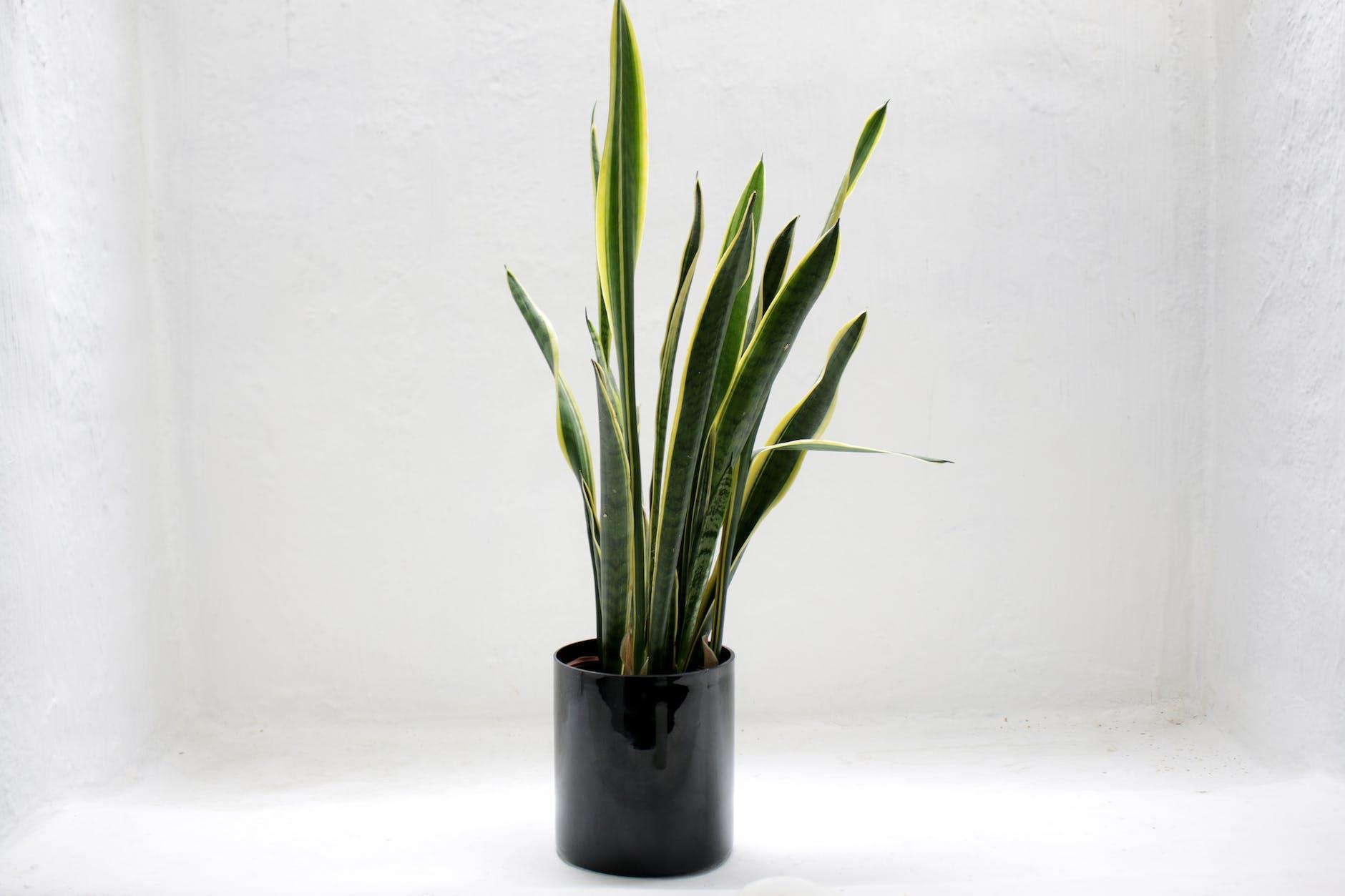
1. Snake Plant (Sansevieria trifasciata)
Snake plants are renowned for their ability to survive in low-light conditions. These hardy plants can thrive with minimal care and are well-suited for dark corners. They have striking sword-like leaves with variegated patterns that add a touch of elegance to any room.
Snake plants are also excellent air purifiers, making them a healthy choice for your indoor space.
How to care for Snake Plants :
- Water sparingly, allowing the soil to dry out completely between watering.
- Place in indirect light but can tolerate low-light conditions.
- Avoid overwatering, as they are susceptible to root rot.

2. ZZ Plant (Zamioculcas zamiifolia)
The ZZ plant is another low-maintenance houseplant that excels in low-light environments. Its glossy, dark green leaves create a modern and sophisticated look, making it a favorite for interior designers.
ZZ plants are incredibly drought-tolerant and can go without water for weeks, making them perfect for busy households.
How to care for ZZ Plants :
- Water sparingly, as overwatering can lead to root rot.
- Place in indirect or low light, but avoid direct sunlight.
- Wipe the leaves to keep them free from dust and maintain their shine.

3. Peace Lily (Spathiphyllum)
Peace lilies are known for their elegant white blooms and lush, dark green leaves. While they do best in bright, indirect light, they can tolerate low-light conditions quite well. Peace lilies also have air-purifying properties and can help improve indoor air quality.
How to care for a Peace Lily :
- Keep the soil consistently moist but not soggy.
- Trim spent blooms to encourage new growth.
- Fertilize during the growing season (spring and summer).

4. Pothos (Epipremnum aureum)
Pothos, also known as Devil’s Ivy, is one of the most adaptable and easy-to-grow houseplants. It thrives in a wide range of light conditions, including low light. Pothos has trailing vines with heart-shaped leaves, making it an excellent choice for hanging baskets or placing on high shelves.
How to care for Pothos :
- Allow the soil to dry out slightly between waterings.
- Trim long vines to encourage bushier growth.
- Fertilize occasionally during the growing season.

5. Cast Iron Plant (Aspidistra elatior)
True to its name, the Cast Iron plant is nearly indestructible and can withstand neglect and low-light conditions. Its dark green, leathery leaves give it a robust and hardy appearance, making it a great choice for those dark corners that seem inhospitable to other plants.
How to care for Cast Iron Plants :
- Water sparingly, keeping the soil moderately moist.
- Place in low to moderate indirect light.
- Dust the leaves regularly to keep them clean and allow them to photosynthesize efficiently.

6. Philodendron (Philodendron spp.)
Philodendrons are versatile houseplants known for their adaptability to various indoor conditions, including low light. Their lush, green foliage adds a tropical feel to any space, and they are relatively easy to care for, making them ideal for beginners.
How to care for Philodendron :
- Allow the top inch of soil to dry out between waterings.
- Thrives in low to moderate indirect light; avoid direct sunlight.
- Regularly prune to maintain desired shape and size.

7. Chinese Evergreen (Aglaonema)
Chinese Evergreens are celebrated for their striking, variegated leaves and their ability to tolerate low-light environments. They come in various color patterns, adding visual interest to dimly lit areas.
How to care for Chinese Evergreen :
- Water when the topsoil feels dry, ensuring proper drainage.
- Prefers low to moderate indirect light; avoid cold drafts.
- Wipe leaves occasionally to remove dust and maintain their sheen.

Can plants survive without sunlight?
Plants require sunlight to survive, as it plays a crucial role in the process of photosynthesis.
During photosynthesis, plants use sunlight to convert carbon dioxide and water into glucose (a type of sugar) and oxygen. Glucose is then used as a source of energy for the plant’s growth and development, while oxygen is released into the atmosphere as a byproduct.
While sunlight is essential for most plants, there are some exceptions.
Certain species of plants discussed in this article, known as shade plants or low-light plants, have adapted to thrive in low-light conditions, such as the understory of forests where sunlight is limited.
These plants have evolved various strategies to maximize their ability to capture and use available light, such as:
Shade plants may have increased Chlorophyll
Shade plants may have higher levels of chlorophyll, the pigment responsible for absorbing sunlight during photosynthesis. This allows them to capture and utilize even small amounts of light more efficiently.
Shade plants have larger leaves
Some shade plants have larger leaves with a larger surface area to capture as much light as possible. These leaves may also be thinner to allow more light to penetrate to the lower layers of the plant.
Some shade plants have make efficient use of available light
Shade plants may prioritize growth and development in areas of the plant that receive the most light, such as the uppermost leaves or stems. They may allocate resources more efficiently to maximize their ability to photosynthesize with limited sunlight.
Shade plants have adapted to low light intensity
Some shade plants have specialized adaptations, such as the ability to open their stomata (tiny pores on the surface of leaves) more widely to increase gas exchange and carbon dioxide uptake in low-light conditions.
While shade plants are adapted to survive in low-light environments, they still require some level of light to photosynthesize and grow. Even in shaded areas, there is usually some ambient light available, albeit at lower intensity than direct sunlight. Additionally, artificial light sources such as grow lights can be used to supplement natural light and provide adequate illumination for plants to thrive indoors or in areas with limited sunlight.
Top Tips for Caring for Low-Light Plants
Ensuring the health of your low-light houseplants involves more than just placing them in the right spot:
- Avoid Overwatering: Low-light conditions mean plants use water more slowly. Ensure pots have drainage holes and allow the soil to dry out between waterings.
- Dust Leaves Regularly: Dust can accumulate on leaves, hindering photosynthesis. Gently wipe leaves with a damp cloth to keep them clean.
- Rotate Plants Periodically: This ensures all sides of the plant receive some light, promoting even growth.
- Monitor for Pests: Low-light environments can sometimes encourage pests. Regularly inspect plants and address any infestations promptly.
Conclusion
Dark corners in your home no longer have to remain lifeless and dull. With the right houseplants, you can breathe life and vitality into these spaces.
The houseplants mentioned in this article — Snake Plant, ZZ Plant, Peace Lily, Pothos, and Cast Iron Plant — are not only aesthetically pleasing but also low-maintenance, making them perfect choices for even the most challenging light conditions.
So go ahead, green up those dark corners and enjoy the beauty and tranquility that indoor plants bring to your home!
You may also be interested in these articles
House Plants That Thrive in Direct Sunlight
Top 5 Most Popular House Plants
Top 5 Ways to Keep Your House Plants Healthy
Best House Plants to Purify the Air
The Best Trailing / Hanging House Plants for your home
The Best Herbs to Grow Indoors
Best House Plants for Bathrooms
The Easiest Indoor Cacti to Keep at Home
5 Easiest Bonsai Trees for Beginners
Top 5 House Plants to Absorb Humidity
Easiest House Plants to Look After


Leave a Reply