
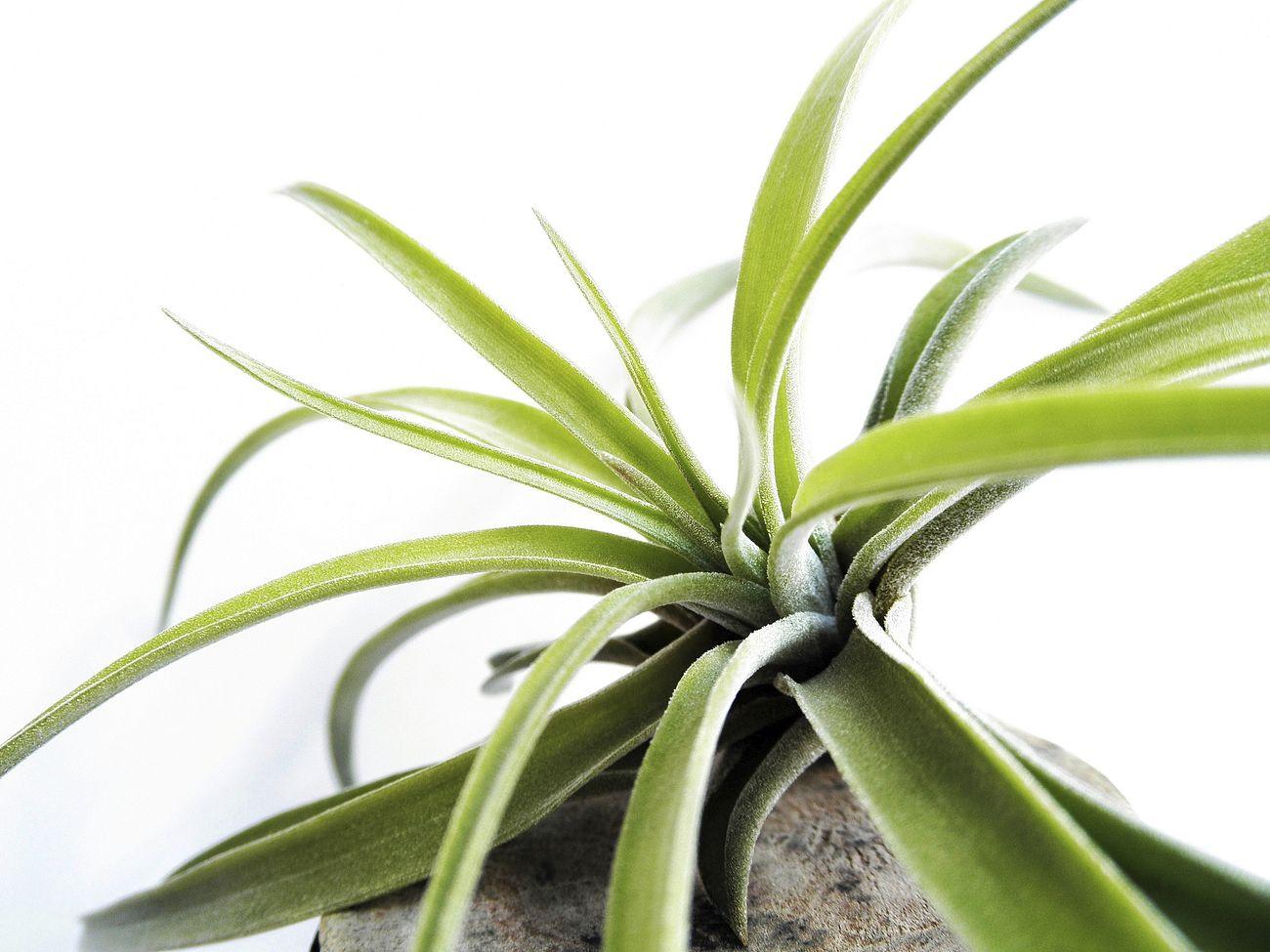
The 5 Best Varieties of Air Plants and How To Care for them.
Air plants, scientifically known as Tillandsia, are attractive and very low-maintenance plants that have become popular for their unique ability to grow without soil.
These enchanting botanical wonders are known for their remarkable adaptability and artistic appearance, making them a fantastic addition to any indoor space.
In this article, we’ll introduce you to the top air plant varieties and provide essential care tips to ensure their health and longevity.
Table of contents
What are the best varieties of Air Plants?
1. Tillandsia Ionantha
Tillandsia Ionantha is one of the most popular air plant varieties due to its petite size and striking appearance. These plants feature vibrant green leaves that blush with brilliant shades of red or orange when they are about to bloom.
They are relatively small, making them perfect for displaying in terrariums, on driftwood, or suspended in air plant holders.

2. Tillandsia Xerographica
Known for its stunning and sculptural form, Tillandsia Xerographica is a favorite among air plant enthusiasts. This species features thick, silvery-gray leaves that curl elegantly inwards, creating a captivating rosette shape.
With its distinctive appearance, it’s an eye-catching centerpiece for any plant display.

3. Tillandsia Caput-Medusae
Tillandsia Caput-Medusae, also known as the Medusa Head Air Plant, is recognized for its wild and untamed appearance. Its leaves curl and twist dramatically, resembling the snakes atop Medusa’s head in Greek mythology.
This unique and intriguing air plant adds a touch of the exotic to your indoor garden.

4. Tillandsia Brachycaulos
Tillandsia Brachycaulos is admired for its striking red hue, especially during its blooming period. Its leaves transition from green to fiery red as it prepares to produce vibrant purple flowers.
This air plant variety is versatile and can thrive in various display settings, making it an excellent choice for creative arrangements.

5. Tillandsia Bulbosa
Tillandsia Bulbosa is characterized by its quirky and bulbous base, which provides an unusual and captivating aesthetic. Its thin, curly leaves extend gracefully from the bulb, creating a whimsical and eye-catching appearance.
This air plant is often used in hanging gardens or as a standalone statement piece.

How to Care for Air Plants?
Light
Air plants thrive in bright, indirect light. Place them near a window with filtered sunlight or under artificial grow lights.
Water
Submerge your air plants in water for 20-30 minutes every 1-2 weeks, allowing them to soak up moisture. Shake off excess water and let them dry thoroughly to prevent rot.
I also recommend Air Plant Mysts. These provide nutrients, enhance growth create the humidity required for Airplants to flourish.

Air Circulation
Adequate air circulation is crucial to prevent mold and maintain plant health. Place them in areas with good airflow.
Temperature
Air plants prefer temperatures between 50°F to 90°F (10°C to 32°C). Protect them from extreme cold or heat.
Air Plant Fertilizing
Apply a diluted, water-soluble, balanced fertilizer once a month during the growing season (spring to early fall).
I recommend Epiphyte Feed Professional Fertilizer. The bottle is very generous, so lasts for a long time and the results are excellent.

Air Plant Display
The really exciting bit! Get creative with your air plant displays. Use shells, driftwood, or wire holders. Just ensure the base of the plant isn’t submerged or in direct contact with any surface to prevent rot. There are also so many types of custom made air plant containers available for purchase. Here are a few examples :


What is the history of Air Plants?
Air plants, scientifically known as Tillandsia, have a rich history rooted in their native habitats across the Americas. Here’s an overview of the history and discovery of air plants:
Air Plants have Origins in the Americas
Air plants are native to the forests, mountains, and deserts of Central and South America, as well as parts of the southern United States. They have been growing in these regions for centuries, adapting to various climates and ecosystems.
Air Plant – Indigenous Uses
Indigenous people of these regions, such as the Aztecs, Mayans, and Native American tribes, were likely familiar with air plants and might have used them for medicinal, decorative, or practical purposes due to their unique properties.
Air Plant Scientific Exploration and Discovery
The European discovery and classification of air plants are attributed to explorers and botanists who ventured into the Americas. Spanish explorers and botanists like the 16th-century naturalist Francisco Hernández de Toledo documented some of these plants during their expeditions.
Air Plant Taxonomy and Classification
Swedish botanist Carl Linnaeus, known as the father of modern taxonomy, classified and named many Tillandsia species in the 18th century. The genus name “Tillandsia” honors the Swedish botanist Elias Tillandz.
You can learn more about Elias Tillandz here : https://en.wikipedia.org/wiki/Elias_Tillandz
Popularity in Horticulture
Air plants gained popularity in the world of horticulture and botanical enthusiasts over time due to their unique growth habits, attractive appearance, and adaptability to different environments.
Air Plant Cultivation and Commercialization
In the 20th and 21st centuries, air plants became more widely cultivated and commercialized. They gained popularity as decorative plants for homes, offices, and gardens due to their aesthetic appeal and low-maintenance requirements.
Today, air plants are widely available in the horticultural market, where enthusiasts and collectors appreciate their diversity of shapes, sizes, and colors. They’ve become popular in terrariums, mounted on driftwood or other decorative pieces, and used in various creative arrangements for interior design.
The history of air plants is intertwined with their natural habitats and the discovery and appreciation of their unique qualities by indigenous peoples, explorers, botanists, and plant enthusiasts throughout the centuries.
Conclusion
Air plants are more than just decorative novelties; they are living works of art that can thrive with minimal care.
By selecting the right variety and following these essential care tips, you can enjoy the beauty and uniqueness of air plants in your home. Incorporate these captivating Tillandsia species into your indoor garden to experience their charm and marvel at their adaptability.
You may also be interested in these articles
House Plants That Thrive in Direct Sunlight
Top 5 Most Popular House Plants
Top 5 Ways to Keep Your House Plants Healthy
Best House Plants to Purify the Air
The Best Trailing / Hanging House Plants for your home
The Best Herbs to Grow Indoors
Best House Plants for Bathrooms
The Easiest Indoor Cacti to Keep at Home
5 Easiest Bonsai Trees for Beginners
Top 5 House Plants to Absorb Humidity
Easiest House Plants to Look After



Leave a Reply