
Top 5 Ways to Keep Your House Plants Healthy
Houseplants are a delightful addition to any home, bringing a touch of nature indoors and improving air quality. However, to keep your leafy friends thriving, it’s essential to provide them with the right care and environment.
Alongside proper watering, sunlight, and regular maintenance, there are specific products designed to help you maintain healthy houseplants.
In this article, we’ll explore the top 5 things that can make a significant difference in the well-being of your indoor greenery.
Table of Contents
1. Well-Draining Potting Mix
Choosing the right potting mix is crucial for the health of your houseplants. The type of soil they are planted in can directly impact their growth and overall condition.
Most indoor plants prefer a well-draining potting mix that allows excess water to escape, preventing root rot.
Look for mixes that contain ingredients like perlite, vermiculite, or coconut coir, as they enhance drainage while retaining moisture, providing the ideal balance for your plants.
Choosing the Right Soil
Different plants require different soil types:
Succulents and Cacti
Use well-draining soil mixes with sand or perlite.


Tropical Plants
Opt for rich, organic soil that retains moisture but drains well.

General House Plants
A standard potting mix is usually sufficient, but ensure it has good drainage.

Repotting
Repotting is essential to refresh soil and give plants room to grow:
Know When to Repot Your Plants
Signs include roots growing out of drainage holes, soil drying out too quickly, or stunted growth.
Know How to Repot
Gently remove the plant from its current pot, loosen the roots, and place it in a new pot with fresh soil. Water thoroughly after repotting.
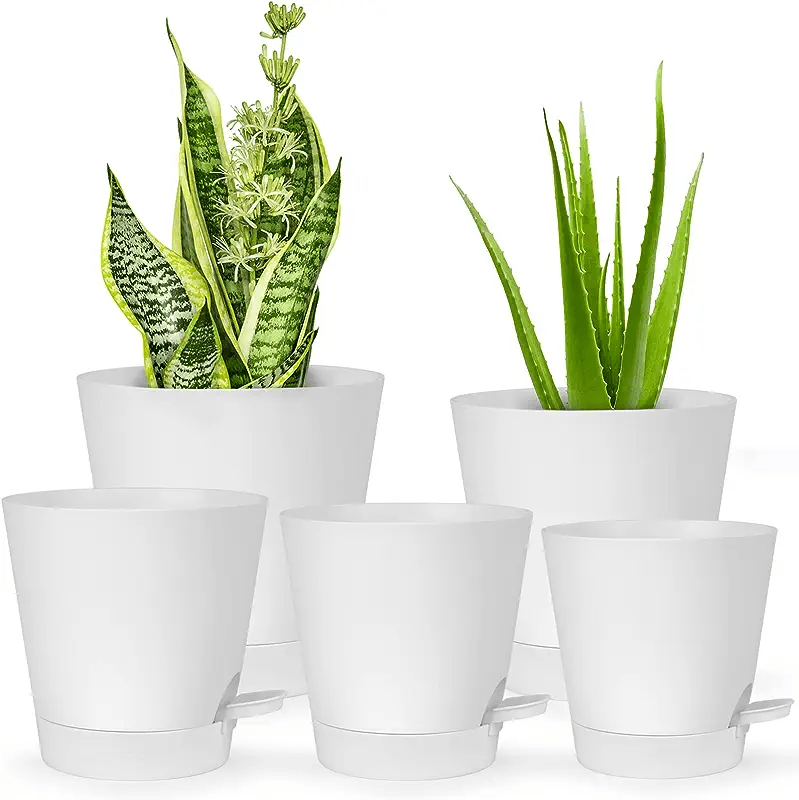
2. Pots with Drainage Holes
While a well-draining potting mix is essential, it’s equally important to pair it with pots that have drainage holes.
These holes allow excess water to escape, preventing the roots from sitting in stagnant water, which can lead to root rot and other fungal diseases.
Opt for pots made of materials like clay or ceramic, as they also provide some natural breathability to the roots and help regulate moisture levels.


3. Humidity Trays
Many houseplants come from tropical climates and thrive in high humidity. To recreate this environment, consider using humidity trays.
These shallow trays filled with water can be placed beneath your plant pots. As the water evaporates, it raises the humidity around the plant, creating a more favorable microclimate.
This is especially beneficial during the dry winter months when indoor air tends to be dry.

4. Fertilizer
Houseplants rely on nutrients from the soil, which can become depleted over time. To ensure your plants receive the necessary nutrients for healthy growth, use a balanced, water-soluble fertilizer.
It’s essential to follow the recommended dosage and frequency for your specific plants, as over-fertilizing can harm your green companions.
Typically, fertilizing during the growing season (spring and summer) every 4-6 weeks is sufficient.
Some Fertilization Tips :
Proper fertilization provides essential nutrients for growth:
Consider the Types of Fertilizer
Use balanced fertilizers (10-10-10 or 20-20-20) for most house plants. Specialized fertilizers are available for specific plant types.

Consider the Frequency of using Fertilizers
Fertilize during the growing season (spring and summer) and reduce or stop during dormancy (fall and winter).

Signs of Over-Fertilization
Symptoms include yellowing leaves, leaf burn, and salt buildup on the soil surface.
5. Pruning Shears
Pruning is a vital aspect of houseplant care that often gets overlooked. Regularly trimming dead or yellowing leaves and spent flowers not only keeps your plants looking aesthetically pleasing but also encourages new growth.
Invest in a pair of sharp pruning shears to make clean cuts and avoid damaging your plants. Keep in mind that different types of plants may require different pruning techniques, so do some research on your specific species.


Understand your Houseplant’s Light Requirements
Types of Light
Light is the primary energy source for plants, essential for photosynthesis. However, not all light is created equal.
Understanding the types of light and their impact on house plants is crucial.
Direct Sunlight
This is the most intense type of light and is typically found near south-facing windows. Plants like cacti, succulents, and some flowering plants thrive in direct sunlight.
You can learn more about plants that thrive in direct sunlight here : House Plants That Thrive in Direct Sunlight
Indirect Sunlight
This is less intense than direct sunlight and is found near east or west-facing windows. Most house plants, such as ferns, philodendrons, and pothos, prefer indirect sunlight.
You can learn more about plants that thrive without direct sunlight here : Houseplants That Thrive without Direct Sunlight
Low Light
This is the light found in north-facing rooms or areas far from windows. Low light plants, like snake plants, ZZ plants, and peace lilies, can survive and even thrive in these conditions.
You can learn more about plants that survive in low light conditions (such as bathrooms) here : The Best House Plants for a Small Bathroom with No Windows
Assessing Your Space
To ensure your plants receive the right amount of light:
Observe Light Patterns
Note where the sunlight falls throughout the day. Use a light meter or smartphone app to measure light intensity.
Adjust Plant Placement
Move your plants to different locations to see where they grow best. Rotate plants regularly to ensure all sides receive light.
Supplemental Lighting
If your home lacks sufficient natural light, consider using artificial lighting:
LED Grow Lights
These are energy-efficient and can be tailored to provide the specific light spectrum plants need.

![Wolezek Grow Lights for Indoor Plants, Full Spectrum LED Plant Light, 6000K/3000K/660nm 2-Head Growing Lamp with Clip, Auto ON & Off Timer 6/12/16H, 3 Modes, 5-Level Dimmable, Use for Indoor Growth [Energy Class A++]](https://i0.wp.com/thepeakdream.com/wp-content/uploads/2023/09/image-331.png?resize=640%2C640&ssl=1)
Fluorescent Lights
These are a good option for low-light plants and are widely available and affordable.
![Mcbazel Plant Growing Light, 48 LEDs Full Spectrum Growing Light Lamp for Indoor Plant,10 Adjustable Brightness with Auto On/Off Timer 3/9/12H for Small Plant [Energy Class A++]](https://i0.wp.com/thepeakdream.com/wp-content/uploads/2023/09/image-332.png?resize=586%2C640&ssl=1)
Light Placement
Ensure lights are placed at the appropriate distance from plants to avoid burning or under-lighting.
Watering Your Houseplants Wisely
Understanding Houseplant’s Watering Needs
Overwatering and underwatering are common mistakes that can harm your plants. Different plants have different watering requirements:
| Plant Type | Examples | Watering Needs |
|---|---|---|
| Succulents & Cacti | Cacti, Aloe, Jade Plant | Infrequent watering, typically once every 2–4 weeks. |
| Tropical Plants | Ferns, Calatheas, Prayer Plants | Require consistent moisture; water when the top 1 inch of soil feels dry. |
| General Houseplants | Pothos, Philodendrons, Peace Lilies | Water when the top 2–3 inches of soil are dry. |
Proper Watering Techniques for Houseplants
| Technique | Description |
|---|---|
| Check Soil Moisture | Use a moisture meter or stick your finger into the soil to test moisture levels before watering. |
| Water Thoroughly | Water until it drains from the bottom of the pot, ensuring roots are hydrated. Avoid letting the plant sit in standing water. |
| Use Room Temperature Water | Always use water at room temperature. Cold water can shock plant roots and hinder growth. |
Signs of Houseplant Watering Problems
| Problem | Symptoms |
|---|---|
| Overwatering | Yellowing leaves, wilting despite wet soil, and a musty smell from the soil. |
| Underwatering | Dry, crispy leaves, slow growth, and soil pulling away from the pot’s edges. |
Ensuring Proper Humidity Levels
The Importance of Humidity for your Houseplants
Humidity is essential for many house plants, especially tropical varieties. Dry air can cause leaf browning and other issues.
Increasing Humidity
There are several ways to boost humidity levels:
Humidifiers
These devices add moisture to the air and can be especially useful in dry climates or during winter.
Pebble Trays
Place a layer of pebbles in a tray, add water, and set the plant pot on top. As the water evaporates, it increases the humidity around the plant.
Grouping Plants
Placing plants close together creates a microenvironment that retains moisture.
Misting
Lightly misting plant leaves can temporarily increase humidity, but be cautious as over-misting can lead to mold and mildew.
Monitoring Humidity
Use a hygrometer to monitor humidity levels. Most house plants thrive in humidity levels between 40-60%. Tropical plants may require higher levels, around 60-80%.
House plant Pest Management
Common House Plant Pests
- Spider Mites: These tiny pests cause stippling and webbing on leaves.
- Mealybugs: Appear as white, cottony masses on leaves and stems.
- Aphids: Small, soft-bodied insects that cluster on new growth.
- Fungus Gnats: Small flies that hover around the soil surface.
Prevention
Preventive measures can help keep pests at bay:
- Inspect New Plants: Quarantine new plants for a few weeks to ensure they are pest-free before introducing them to your collection.
- Cleanliness: Keep your plant area clean and free of fallen leaves and debris.
- Air Circulation: Ensure good air circulation around plants to prevent mold and mildew.
Treatment
If pests appear, prompt treatment is necessary:
- Manual Removal: For larger pests like mealybugs and aphids, use a cotton swab dipped in rubbing alcohol to remove them.
- Insecticidal Soap: Spray plants with insecticidal soap or neem oil, following the product’s instructions.
- Natural Predators: Introduce beneficial insects like ladybugs to control pests naturally.
Monitoring
Regularly inspect your plants for signs of pests. Early detection can prevent infestations from spreading.
Frequently Asked Questions about keeping your houseplants healthy
1. How often should I water houseplants?
Water only when the top inch of soil is dry—not on a strict schedule. Overwatering is the most common cause of root rot in indoor plants.
2. Can houseplants thrive in low-light conditions?
Yes. Plants like snake plants, ZZ plants, and pothos are well-suited for low-light spaces. You can also supplement with grow lights for healthier growth.
3. What type of soil is best for houseplants?
Use a well-draining potting mix with perlite, vermiculite, or coco coir. Avoid using outdoor garden soil indoors, as it compacts easily and may contain pests.
4. How do humidity trays help houseplants?
Humidity trays increase moisture levels around plants by allowing water to slowly evaporate, creating a microclimate ideal for tropical species.
5. How much pruning is too much for a houseplant?
Never remove more than one-third of a plant’s foliage at once. This avoids shock and encourages healthy new growth.
6. What’s the best way to clean dusty leaves?
Wipe leaves with a damp cloth or use a gentle spray of lukewarm water. Clean leaves improve photosynthesis and reduce pests like spider mites.
7. How do I know if my houseplant needs repotting?
Signs include roots growing out of drainage holes, soil drying out too quickly, or a plant becoming root-bound and stunted. Most plants need repotting every 1–2 years.
8. Can I keep houseplants in a bathroom with no windows?
Yes, if you add artificial lighting. Plants like snake plants, ZZ plants, and ferns can survive in bathrooms with fluorescent or LED lights.
9. How do I prevent pests on houseplants?
Inspect plants regularly, avoid overwatering, and keep leaves clean. If pests appear, treat with neem oil or insecticidal soap.
10. What’s the easiest houseplant for beginners?
Snake plants, pothos, and spider plants are some of the easiest to care for—they tolerate neglect, low light, and infrequent watering.
Conclusion
Caring for houseplants can be a rewarding and therapeutic experience, but it does require some attention to detail.
By using the right products and techniques, you can ensure your indoor greenery thrives and adds beauty to your home.
Remember to choose the right potting mix and pots, maintain adequate humidity, fertilize appropriately, and keep your plants well-groomed with pruning shears.
With these top 5 products in your arsenal, your houseplants will flourish and continue to brighten up your living space for years to come.
Remember that each plant is unique, so observe and adjust care routines as needed. With a bit of knowledge and dedication, you can enjoy the beauty and benefits of healthy house plants in your home.
You may also be interested in
House Plants That Thrive in Direct Sunlight
Houseplants That Thrive without Direct Sunlight
Best Varieties of Air Plants and How To Care for them.
The Best Trailing / Hanging House Plants for your home
Best House Plants to Purify the Air
Top 5 Ways to Keep Your House Plants Healthy
Top 5 Most Popular House Plants
The Best Trailing Plants For Your Shelves
5 Easiest Bonsai Trees for Beginners


Leave a Reply