
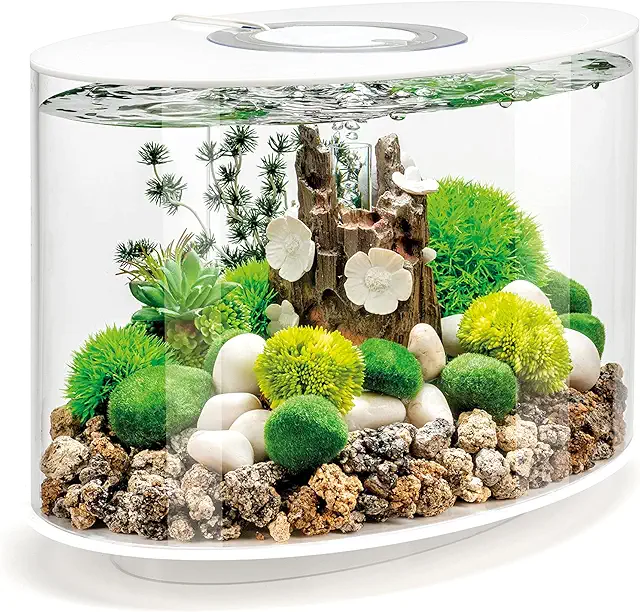
The 9 Best Home Aquariums: Glass, Nano, & Rimless Tanks for Beginners and Interior Design
Creating an aquarium in your home is not only a visually captivating addition but also a serene and therapeutic way to bring aquatic life into your living space.
Aquariums serve as miniature aquatic ecosystems, showcasing the beauty of fish, plants, and other aquatic inhabitants while providing a sense of relaxation and tranquility.
When choosing the best aquarium for your home, several factors come into play, including size, design, ease of maintenance and suitability for different types of aquatic life.
In this article, we’ll explore a range of aquarium options, highlighting their features and benefits to help you select the perfect one for your home.
I always like to state clearly that small tanks are only suitable for a small number of fish. The general rule is one fish per gallon of water.
Table of Contents
Best Traditional Glass Aquariums for Beginners
Standard glass aquariums are the most traditional and widely available options. They come in various shapes and sizes, including rectangular, bow-front, hexagonal, and cylindrical tanks.
The strength and clarity of glass provide a crystal-clear view of the aquatic environment. They’re suitable for both freshwater and saltwater setups and offer versatility in aquascaping and fish selection.
Brands like Aqueon, Marineland, and Fluval offer quality glass aquariums in different sizes to suit your space and preferences.


Acrylic / Plastic Aquariums
Acrylic aquariums are a lightweight alternative to glass tanks. They are known for their durability, clarity, and flexibility in design, often available in unique shapes and configurations.
Acrylic tanks are less prone to chipping or breaking and offer better insulation, but they can scratch more easily than glass if not handled carefully.


Top-Rated Nano Aquariums (2-18 Gallons) for Small Desks and Apartments
Nano aquariums are small-sized tanks typically ranging from 2 to 18 gallons. They are perfect for compact spaces or beginners interested in starting a small-scale aquatic ecosystem.
Nano tanks often come as kits that include filtration systems, lighting, and sometimes heating units. These setups are suitable for keeping small fish, shrimp, or even aquatic plants.
If you are looking for a small aquarium, you may be interested in this article : Best Aquariums for Small Apartments and Small Rooms
Remember, small tanks suitable for small spaces are only suitable for a small number of fish. The general rule is one fish per gallon of water.


Best Rimless Aquariums for Modern and Minimalist Interior Design
Rimless and frameless aquariums have gained popularity for their minimalist and modern aesthetics. These tanks lack the typical plastic frames or rims found in traditional aquariums, providing an unobstructed view of the underwater landscape.
They come in various shapes and sizes, allowing aquarists to create visually stunning aquascapes.
Companies like UNS (Ultum Nature Systems) and Waterbox Aquariums specialize in rimless and frameless tanks known for their elegant design and craftsmanship.


BiOrb and EcoSphere Systems
BiOrb and EcoSphere aquariums offer innovative and self-contained ecosystems that require minimal maintenance.
BiOrb tanks feature spherical designs with built-in filtration and LED lighting systems, catering to both freshwater and marine setups.


EcoSpheres are closed, self-sustaining ecosystems sealed with live marine shrimp, algae, and bacteria, creating a mesmerizing equilibrium. These systems are suitable for those seeking low-maintenance and aesthetically pleasing aquatic displays.
Please note, I do not consider EcoSpheres to be suitable for fish.


Custom-Built Aquariums
For enthusiasts looking for a unique and tailored aquatic environment, custom-built aquariums offer endless possibilities.
Professional aquarium builders create custom tanks tailored to specific dimensions, designs, and functionalities, catering to individual preferences and space requirements.
While more expensive, these tanks provide the freedom to design and create a personalized aquatic habitat.
Comparison between the different types of fish tanks
| Tank Type | Best For | Maintenance Level | Interior Style | Durability |
| Standard Glass | Beginners, Budget | Medium | Traditional | High (Scratch-Resistant) |
| Nano | Desktops, Shrimp | High (Stability) | Compact, Minimalist | Medium (Low Volume) |
| Rimless | Experienced Aquascaper | Medium | Modern, High-End | Low (Needs careful placement) |
Factors to Consider When Choosing an Aquarium
Size and Space
Determine the available space in your home and select an aquarium size that fits harmoniously within the environment without overcrowding.
Type of Aquatic Life
Consider the type of aquatic life you intend to keep, whether it’s freshwater fish, saltwater fish, aquatic plants, or invertebrates. Different species have varying requirements in terms of water parameters, space, and compatibility.
Maintenance and Equipment
Assess the maintenance needs of the aquarium, including filtration systems, lighting, heating, and water quality management. Some setups may require more advanced equipment and maintenance routines.
Budget
Determine your budget range, considering not only the initial cost of the aquarium but also ongoing expenses for equipment, accessories, and maintenance.
Aesthetics and Design
Choose an aquarium that complements your home décor and personal style. Consider the shape, materials, and overall design that aligns with your preferences. You can learn more about this in the next section.
Aesthetics and Design: Integrating Your Aquarium into Your Home Decor
An aquarium shouldn’t just be an isolated feature; it should be a cohesive, living piece of art that complements your personal style and the architecture of your home. Choosing the right tank means harmonizing its form, lighting, and placement with your existing decor.
1. Tank Shape and Style by Interior Trend
Different aquarium styles naturally align with various design movements. Selecting a tank that matches your home’s aesthetic instantly elevates the entire space.
The Minimalist & Scandinavian Look (Sleek and Clean):
- Go-To Tank: Rimless and Frameless Aquariums. Their crystal-clear, uninterrupted glass edges offer a clean profile that perfectly embodies the “less is more” Scandinavian philosophy. Opt for low-iron glass for maximum clarity.
- Placement: Place on a simple, low-profile wooden stand or a floating shelf to emphasize vertical space and natural light.
The Modern & Industrial Style (Bold and Structural):
- The Contemporary & Glam Style (Curved and Dramatic):
- Go-To Tank: BiOrb Systems and Bow-Front Glass Aquariums. The spherical or dramatically curved acrylic designs of BiOrbs create a contemporary focal point, while bow-front tanks add depth and luxury.
- Placement: Position where they can catch indirect light and reflect movement, amplifying their dramatic shape.
2. Using Lighting to Enhance Ambiance
The lighting you choose extends far beyond the well-being of your fish; it dictates the mood of the entire room, acting as a dynamic light source.
- Warm vs. Cool Tones: Choose lighting with a warmer color temperature (around 6,500K) to create a cozier, inviting ambiance in a living room or bedroom. For a bright, clinical, or plant-focused look, opt for cooler, higher K-rating lights.
- Controlling the Mood: Many modern LED systems offer customizable color channels (RGBW). Use these features to match the lighting to the time of day—a soft blue or moonlight effect in the evening can replace traditional lamps, transforming the tank into a piece of luminous furniture.
3. Aquascaping as a Form of Art
Aquascaping—the art of arranging the underwater landscape—is the final and most personal design touch.
- The Nature Aquarium (Takashi Amano Style): This style uses natural materials like driftwood (e.g., Manzanita, Spiderwood) and meticulously placed stones (e.g., Seiryu Stone) to mimic landscapes found in nature, such as forests or mountains. This works beautifully in homes with a strong connection to natural elements and textures.
- Creating Depth and Flow: Use the “Rule of Thirds” in your rock and plant placement to create a balanced, professional-looking scene. This avoids clutter and guides the eye through the tank, mirroring techniques used in fine art and photography.
Common Questions related to Aquariums for Your Home
What size aquarium should I get for my home?
The size of your aquarium depends on the space you have available, the type of fish you plan to keep, and your level of experience.
Beginners often start with a 10 to 20-gallon tank, which is manageable and offers enough space for a variety of fish.
Larger tanks (30 gallons or more) provide a more stable environment and can support a wider range of species, but they require more space and maintenance.
What are the best fish for a beginner’s aquarium?
Some of the best fish for beginners include Betta fish, Guppies, Tetras (like Neon or Cardinal Tetras), Corydoras Catfish, and Platies. These species are hardy, relatively easy to care for, and adapt well to a range of water conditions.
How often should I clean my aquarium?
Regular maintenance is key to a healthy aquarium. Perform partial water changes of 20-30% every 1-2 weeks.
Clean the filter every month, and remove algae from the tank walls as needed. A thorough cleaning of decorations and gravel should be done every 2-3 months.
What type of filtration system is best?
The best filtration system depends on your tank size and the type of fish. A good filter should provide mechanical, biological, and chemical filtration.
Hang-on-back (HOB) filters are popular for smaller tanks, while canister filters are preferred for larger setups.
Sponge filters are also a good option for breeding tanks or aquariums with small, delicate fish.
How do I maintain water quality in my aquarium?
Regular water changes, proper filtration, and avoiding overfeeding are key to maintaining water quality.
Test the water weekly for pH, ammonia, nitrites, and nitrates. Keeping the tank clean and not overcrowding it with fish also helps maintain a healthy environment.
Aqueon has some great tips on maintaing water quality in your aquarium here : https://www.aqueon.com/articles/dos-donts.
What temperature should my aquarium be?
The ideal temperature depends on the type of fish you have. Most tropical fish thrive in water temperatures between 75-80°F (24-27°C). If you’re keeping coldwater fish like Goldfish, aim for a temperature between 65-72°F (18-22°C).
Can I keep live plants in my aquarium?
Yes, live plants can enhance the aesthetic of your aquarium and provide benefits such as oxygenation and natural filtration.
Popular beginner plants include Java Fern, Anubias, and Amazon Sword. Ensure your tank has proper lighting and consider using a substrate designed for plant growth.
What should I feed my fish?
Most aquarium fish thrive on a diet of high-quality flakes or pellets. Supplement their diet with freeze-dried, frozen, or live foods like brine shrimp or bloodworms.
Herbivorous fish will also appreciate algae wafers or fresh vegetables like zucchini or spinach.
Aqueon has some really useful guidance of how to feed your fish here : https://www.aqueon.com/articles/how-to-properly-feed-your-fish
How do I cycle my aquarium?
Cycling an aquarium involves establishing beneficial bacteria that break down ammonia into nitrites and then nitrates, which are less harmful to fish. This process can take 4-6 weeks.
You can cycle the tank by adding a small amount of fish food daily to create ammonia or by using a commercial bacterial supplement.
Swell offer an amazing guide about how to cycle your aquarium here : https://www.swelluk.com/help-guides/how-to-cycle-an-aquarium
Can I keep saltwater fish in a home aquarium?
Yes, but saltwater aquariums require more specialized equipment and maintenance compared to freshwater tanks. They are generally more expensive and better suited for experienced hobbyists.
If you’re new to aquariums, it’s advisable to start with freshwater fish before moving to saltwater setups.
What lighting is best for my aquarium?
The lighting needs depend on whether you have live plants or a reef tank. For a standard freshwater tank without plants, basic LED or fluorescent lighting is sufficient.
If you have live plants or corals, you’ll need lighting that supports their growth, typically in the range of 6500K to 10000K.
How do I prevent algae growth in my aquarium?
Algae growth can be managed by limiting the amount of light your tank receives, avoiding overfeeding, and performing regular water changes.
Adding algae-eating fish or invertebrates, like Otocinclus Catfish, Amano Shrimp, or Nerite Snails, can also help keep algae under control.
Can I have different types of fish in the same aquarium?
Yes, but it’s important to choose species that are compatible in terms of size, temperament, and water requirements. Research each species beforehand to ensure they can coexist peacefully and thrive in the same conditions.
How do I acclimate new fish to my aquarium?
To acclimate new fish, float the sealed bag in your aquarium for 15-20 minutes to equalize the temperature. Then, gradually add small amounts of your aquarium water to the bag every 5-10 minutes for about 30 minutes.
Finally, use a net to transfer the fish to the tank, avoiding adding the bag water to your aquarium.
What should I do if my fish get sick?
If you notice signs of illness, such as lethargy, spots, or unusual behavior, it’s important to act quickly.
Quarantine the affected fish in a separate tank if possible. Research the symptoms to identify the illness and treat it with the appropriate medication. Maintain optimal water quality to prevent the spread of disease.
How do I maintain the right pH level in my aquarium?
Test the pH regularly and aim to keep it stable rather than constantly adjusting it. Most freshwater fish can tolerate a pH between 6.5 and 7.5. If your pH is too high or low, you can use commercial pH buffers or natural methods like adding driftwood (to lower pH) or crushed coral (to raise pH).
Can I use tap water for my aquarium?
Yes, but tap water contains chlorine and possibly chloramine, which are harmful to fish. Use a water conditioner to neutralize these chemicals before adding tap water to your aquarium.
It’s also a good idea to test your tap water for pH, hardness, and other parameters to ensure it’s suitable for your fish.
Do I need an air pump in my aquarium?
An air pump is not always necessary, but it can be beneficial. Air pumps help increase oxygen levels in the water, especially in tanks with poor circulation or heavily stocked tanks.
They can also power air-driven filters or decorative items like bubble stones.
Conclusion
Selecting the best aquarium for your home involves considering various factors such as size, type, design and maintenance requirements.
Whether you’re a beginner or an experienced hobbyist, there’s a diverse range of aquarium options available to suit your preferences and needs.
From standard glass tanks to sleek rimless designs, each type offers its unique advantages, allowing you to create a stunning aquatic environment that brings tranquility and beauty to your living space.
Choosing the perfect aquarium involves finding a balance between functionality, aesthetics, and the well-being of the aquatic life you wish to keep within your home.
You may also be interested in
The Perfect Aquarium for Your Small Apartment
Best Aquariums for Small Apartments and Small Rooms
Must-Have Space Saving Products for Small Apartments
How to make your rooms look bigger using mirrors
Blob Mirrors: The Hottest Interior Trend of 2023
Unveiling the Benefits of Stick-On Mirrors
Making the Most of Your Small Entrance way
How to Make the Most of Limited Space : Small Living Rooms
Best Sofa Designs for Small Living Rooms
Mirrors for Your Living Room Wall
A Guide to Runners for Hallways
The Benefits of Oversized Mirrors in Bedrooms
The Magic of Peel & Stick Wallpaper – Self Adhesive Revolution


Leave a Reply