
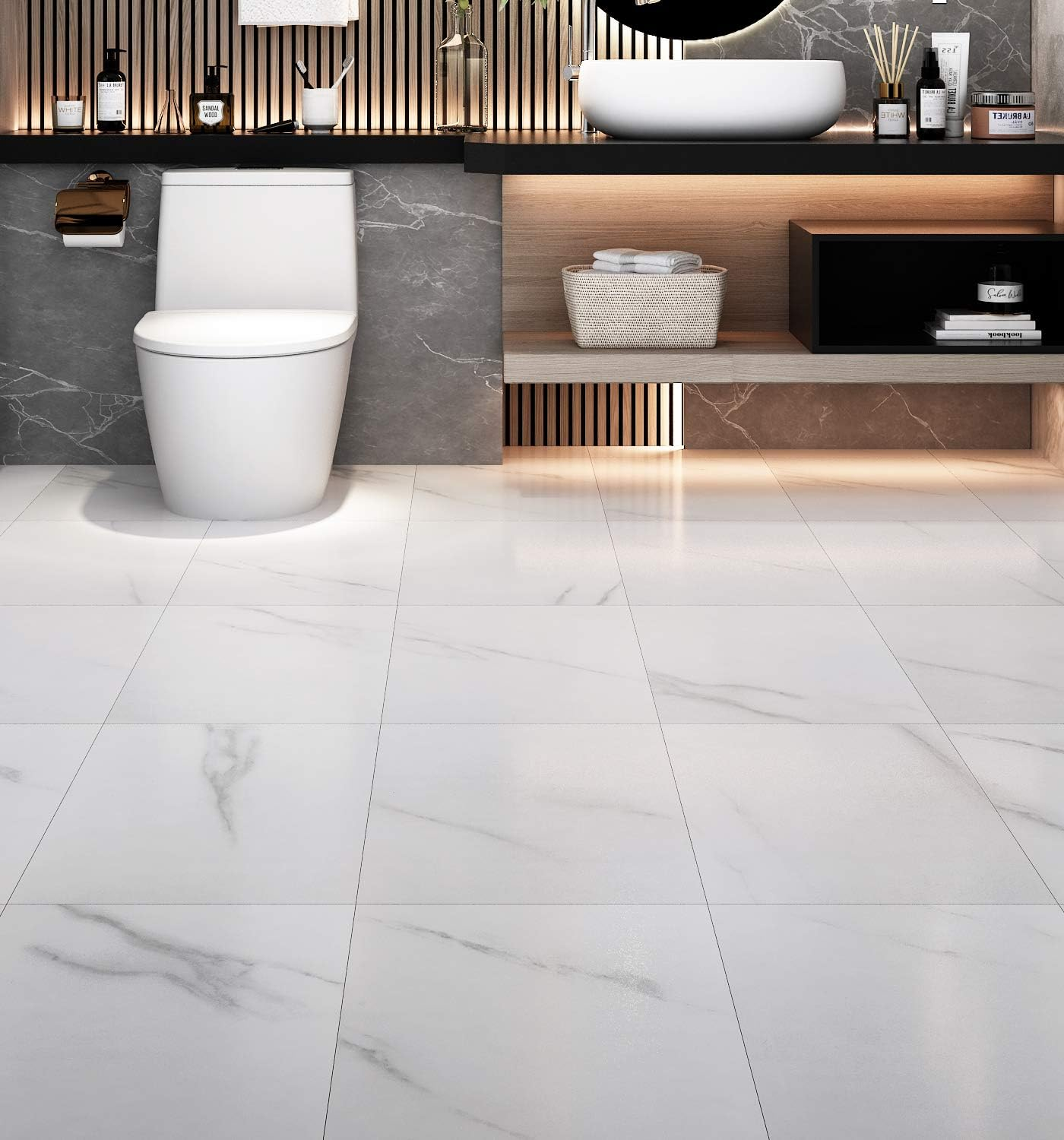
Peel and Stick Floor Tiles: A Guide to Easy Flooring Transformation
Peel and stick floor tiles have emerged as a game-changer in the world of home renovation, offering an affordable, convenient, and stylish solution for upgrading floors with minimal effort.
Whether you’re looking to refresh a tired space, add personality to a rental property, or tackle a DIY flooring project, peel and stick floor tiles provide endless possibilities for customization and creativity.
In this article, we’ll explore the benefits, installation process, design options, maintenance tips, and more, to help you unlock the full potential of peel and stick floor tiles.
Table of contents
- Peel and Stick Floor Tiles: A Guide to Easy Flooring Transformation
- What are Peel and Stick Floor Tiles?
- What are the Benefits of Peel and Stick Floor Tiles?
- How to Install Peel and Stick Floor Tiles?
- What are the Peel and Stick Design Options and Trends?
- How do you Maintain Peel and Stick Floor Tiles?
- Common Questions about Peel and Stick Flooring Tiles
- Conclusion
- You may also be interested in
What are Peel and Stick Floor Tiles?
Peel and stick floor tiles, also known as self-adhesive or vinyl tiles, are a type of flooring material that features a pre-applied adhesive backing.
Unlike traditional flooring options such as ceramic tiles or hardwood planks, peel and stick floor tiles require no mortar, grout, or special tools for installation.
Peel and stick floor tiles are available in a variety of materials, including vinyl, laminate, and linoleum, each offering unique benefits in terms of durability, water resistance and ease of maintenance.

What are the Benefits of Peel and Stick Floor Tiles?
Ease of Installation
One of the primary advantages of peel and stick floor tiles is their ease of installation. With no need for mortar or grout, they can be applied directly to clean, dry, and smooth surfaces.
Cost-Effectiveness
Peel and stick floor tiles are generally more affordable than traditional flooring options, such as ceramic tiles or hardwood planks. They offer a budget-friendly alternative for homeowners and DIY enthusiasts.
Versatility
Peel and stick floor tiles come in a wide range of colors, patterns, and styles, allowing for endless design possibilities. From classic wood-look planks to modern geometric patterns, there’s a peel and stick tile to suit every taste and aesthetic.
Removability
Peel and stick floor tiles can be easily removed without causing damage to the underlying surface, making them ideal for renters or those who like to change their decor frequently.

How to Install Peel and Stick Floor Tiles?
Preparation
Before installing peel and stick floor tiles, ensure that the subfloor is clean, dry, and free of dust or debris. Patch any holes or imperfections and allow the subfloor to dry completely.
Application
Begin by measuring and planning the layout of the tiles, taking into account any obstacles such as doorways or fixtures. Peel off the backing paper from the first tile and carefully align it with the starting point on the subfloor. Press down firmly to ensure proper adhesion.
Alignment
Continue installing the tiles in rows, working from the center of the room outward. Use a vinyl tile cutter or utility knife to trim the tiles as needed to fit around corners or edges.
Finishing Touches
Once all the tiles are installed, use a roller or hand roller to firmly press down on the tiles and ensure they are securely adhered to the subfloor. Install transition strips or moldings as needed to cover gaps or edges.

What are the Peel and Stick Design Options and Trends?
Wood-Look Planks
Wood-look peel and stick floor tiles are a popular choice for adding warmth and natural beauty to any space. They come in a variety of wood species, colors, and textures, allowing for realistic and stylish flooring options.


Stone-Look Tiles
Stone-look peel and stick floor tiles mimic the appearance of natural stone, such as marble, slate, or travertine. They offer the beauty and elegance of stone flooring without the cost or maintenance requirements.


Patterned Tiles
Patterned peel and stick floor tiles are a trendy option for adding personality and visual interest to floors. From Moroccan-inspired designs to bold geometric patterns, there’s a patterned tile to suit every style and aesthetic.


Modern Designs
Modern peel and stick floor tiles feature sleek and contemporary designs, such as minimalist stripes, abstract motifs, or metallic accents, adding a touch of sophistication to any space.


How do you Maintain Peel and Stick Floor Tiles?
Easy Cleaning
Peel and stick floor tiles can be easily cleaned with a damp mop or cloth and mild soap. Avoid using abrasive cleaners or harsh chemicals, as they may damage the surface of the tiles.
Durability
While peel and stick floor tiles are durable and long-lasting, they may be prone to wear and tear in high-traffic areas or areas exposed to moisture, such as kitchens or bathrooms. Thankfully, they are so cost effective and easy to replace, you can just remove and replace the worn tiles.
Repair / Replace
In the event of damage or wear, individual peel and stick floor tiles can be easily replaced without having to remove the entire floor.
Simply peel away the damaged tile and replace it with a new one, ensuring proper alignment and adhesion.

Common Questions about Peel and Stick Flooring Tiles
What should I put down before peel and stick flooring?
Before installing peel and stick flooring, it’s essential to properly prepare the subfloor to ensure a smooth and long-lasting installation.
Here are the steps to follow:
Clean the Subfloor
Start by thoroughly cleaning the subfloor to remove any dust, dirt, grease, or debris. Sweep or vacuum the floor to remove loose particles, and then mop the surface with a mild detergent solution to remove any remaining residue. Allow the subfloor to dry completely before proceeding.
Inspect for Damage
Check the subfloor for any signs of damage, such as cracks, unevenness, or moisture issues. Repair any cracks or holes in the subfloor using a suitable patching compound or filler. If moisture is a concern, consider installing a moisture barrier or vapor barrier to prevent water damage to the flooring.
Level the Subfloor
Ensure that the subfloor is level and smooth before installing peel and stick flooring. Use a leveling compound or self-leveling underlayment to fill in low spots and smooth out uneven areas.
Sand High Spots
If there are any high spots or rough patches on the subfloor, use a sander to smooth them down. Sanding the subfloor helps create a flat and even surface for the peel and stick flooring to adhere to.
Acclimate the Flooring
Before installing the peel and stick flooring, acclimate the planks or tiles to the room temperature and humidity levels. This helps prevent expansion or contraction of the flooring after installation. Stack the flooring in the room where it will be installed and allow it to acclimate for at least 48 hours.
Plan the Layout
Carefully plan the layout of the peel and stick flooring to ensure a visually pleasing and symmetrical installation. Start by finding the center of the room and work outward from there. Use a chalk line or straightedge to create guidelines for laying the flooring.
Install the Flooring
Once the subfloor is clean, level, and properly prepared, you can begin installing the peel and stick flooring according to the manufacturer’s instructions. Peel off the backing and press the planks or tiles firmly onto the subfloor, working row by row until the entire floor is covered. Use a roller or hand roller to ensure good adhesion and remove any air bubbles or wrinkles.
What kind of floor can you put peel and stick tiles on?
Peel and stick tiles can be installed on a variety of subfloors, provided that the surface is clean, flat, and properly prepared.
Here are some common types of subfloors suitable for peel and stick tile installation:
Plywood Subfloor
Peel and stick tiles can be installed directly onto plywood subfloors, as long as the plywood is smooth, level, and free of any protruding nails or screws. Sand down any rough patches and fill in any gaps or imperfections before installing the tiles.
Concrete Subfloor
Peel and stick tiles can be installed directly onto concrete subfloors, such as those found in basements or ground-level floors. Ensure that the concrete is clean, dry, and free of any cracks or moisture issues. Use a concrete patching compound to fill in any cracks or low spots and allow it to dry completely before installing the tiles.
Vinyl Subfloor
Peel and stick tiles can be installed over existing vinyl flooring, as long as the vinyl is in good condition and firmly adhered to the subfloor. Clean the vinyl thoroughly to remove any dirt, wax, or residue before installing the tiles.
Laminate Subfloor
Peel and stick tiles can be installed over laminate flooring, provided that the laminate is flat, smooth, and free of any loose or damaged pieces. Sand down any raised edges or seams, and clean the laminate thoroughly before installing the tiles.
Tile Subfloor
Peel and stick tiles can also be installed over existing ceramic or porcelain tile flooring, as long as the tiles are in good condition and firmly attached to the subfloor. Clean the tile surface thoroughly and sand down any rough areas or high spots before installing the tiles.
Linoleum Subfloor
Peel and stick tiles can be installed over linoleum flooring, as long as the linoleum is clean, flat, and in good condition. Remove any wax or polish from the surface and sand down any raised edges or seams before installing the tiles.
Does water get under peel and stick tiles?
Peel and stick tiles are designed to have a strong adhesive backing that adheres tightly to the subfloor, creating a relatively water-resistant seal when properly installed. However, it’s important to note that while peel and stick tiles are resistant to water and moisture to some extent, they are not completely waterproof.
Water can potentially seep between the seams and edges of peel and stick tiles, especially if they are not installed properly or if the subfloor is uneven or prone to moisture issues. Additionally, excessive water exposure over time can weaken the adhesive bond and cause the tiles to lift or curl at the edges.
To minimize the risk of water getting under peel and stick tiles, it’s important to take the following precautions:
Proper Installation
Ensure that the subfloor is clean, dry, and properly prepared before installing peel and stick tiles. Follow the manufacturer’s instructions for installation carefully, including using a roller to firmly press the tiles onto the subfloor and ensure good adhesion.
Seal Seams and Edges
Apply a silicone or acrylic-based sealant to the seams and edges of the peel and stick tiles to create an additional barrier against water infiltration. Pay particular attention to areas where tiles meet walls, cabinets, or fixtures, as these areas are more prone to water penetration.
Use Area Rugs or Mats
Place area rugs or mats in areas of the room that are prone to water spills or splashes, such as near sinks, dishwashers, or entryways. This helps protect the peel and stick tiles from water damage and makes cleanup easier.
Clean Up Spills Promptly
Wipe up any spills or moisture on the surface of the peel and stick tiles promptly to prevent water from seeping between the seams and causing damage to the subfloor.
Monitor for Signs of Damage
Regularly inspect the peel and stick tiles for signs of damage, such as lifting, curling, or discoloration, which may indicate water infiltration. Address any issues promptly to prevent further damage.
While peel and stick tiles can offer some degree of water resistance, they are best suited for dry areas of the home such as kitchens, bathrooms, and entryways where water exposure is minimal. In areas with high moisture levels or potential for standing water, it’s advisable to choose a more water-resistant flooring option such as luxury vinyl tile (LVT) or ceramic tile.
Conclusion
Peel and stick floor tiles offer a convenient, versatile, and stylish solution for upgrading floors and enhancing interior spaces. Whether you’re tackling a DIY project, renovating a rental property, or simply looking to refresh your home decor, peel and stick floor tiles provide endless possibilities for customization and creativity.
With their ease of installation, affordability, and wide range of design options, peel and stick floor tiles are sure to remain a popular choice for homeowners and interior designers alike for years to come.
You may also be interested in
Unveiling the Benefits of Stick-On Mirrors
Transform Bathrooms/Kitchens with Peel & Stick Tiles
How to Tackle Mould in Your Home
Plants That Absorb Air Moisture: Enhancing Indoor Air Quality in the UK
The Best House Plants for a Small Bathroom with No Windows
The Best Essential Oil Recipes for Home Oil Diffusers
A Comprehensive Guide to Using Reed Diffusers in Your Home
Review: Kärcher WV 2 Plus Window Vac (and a comparison to Kärcher WV 1)
How to Use Smart Plugs in Your Home and why you need one!


Leave a Reply