
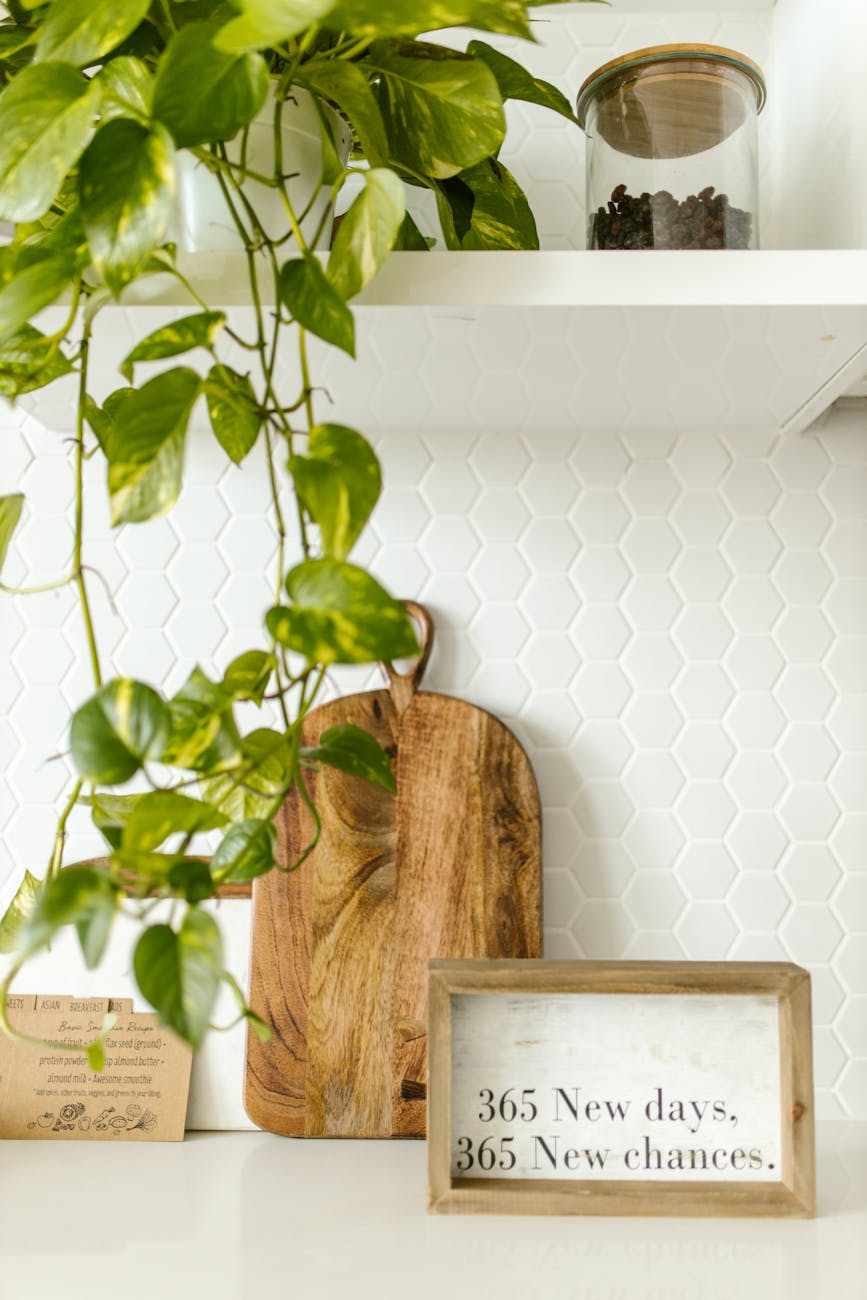
What Are The 5 Best Indoor Draping Plants?
Bringing nature indoors not only adds aesthetic appeal to your living spaces but also promotes a healthier environment.
Among the myriad of indoor plants available, draping plants stand out for their ability to create stunning cascades of foliage, adding a touch of elegance to any room.
In this guide, we’ll explore the best indoor draping plants that are perfect for enhancing your home.
Table of contents
What Are The Best Indoor Draping Plants for your Home?
Pothos (Epipremnum aureum)
Known for its versatility and resilience, Pothos is a popular choice for indoor gardening enthusiasts. Its heart-shaped leaves and trailing vines make it an excellent option for draping over shelves, mantels, or hanging baskets.
Pothos thrives in low to moderate light conditions and requires minimal maintenance, making it ideal for beginners or busy individuals. This plant is not only visually appealing but also helps purify indoor air by removing toxins like formaldehyde and benzene.


Spider Plant (Chlorophytum comosum)
Spider plants are prized for their arching foliage, which resembles spider legs, hence the name.
With its easy-care nature and air-purifying qualities, the Spider Plant is a top choice for indoor draping. It produces offsets, or “spiderettes,” that dangle from long stems, adding to its cascading effect.
Spider plants prefer bright, indirect light but can tolerate lower light conditions, making them adaptable to various indoor environments.


String of Pearls (Senecio rowleyanus)
This unique succulent features trailing stems adorned with small, bead-like leaves that resemble pearls. String of Pearls is a conversation starter and adds a whimsical touch to any indoor space.
It requires bright, indirect light and well-draining soil to thrive, making it perfect for sunny windowsills or hanging planters. While it may have specific care requirements, the visual impact of its cascading foliage is well worth the effort.


Heartleaf Philodendron (Philodendron hederaceum)
As one of the easiest houseplants to grow, the Heartleaf Philodendron is prized for its heart-shaped, glossy leaves and trailing vines.
It can adapt to a wide range of light conditions, from low to bright indirect light, making it suitable for different areas of your home.
Heartleaf Philodendron is an excellent choice for beginners, as it thrives on neglect and requires minimal watering.Whether placed on a shelf or suspended in a hanging basket, its cascading foliage adds a touch of greenery to any room.


Burro’s Tail (Sedum morganianum)
With its trailing stems adorned with plump, succulent leaves, Burro’s Tail is a striking addition to any indoor garden. It thrives in bright, indirect light and requires infrequent watering, making it suitable for forgetful gardeners.
Burro’s Tail is often grown in hanging baskets or elevated planters, allowing its cascading foliage to flow gracefully downward. While it may be more challenging to find, the unique beauty of this plant makes it worth seeking out for your indoor space.


What is the difference between draping, hanging and trailing indoor plants?
The terms “draping,” “hanging,” and “trailing” are often used interchangeably when referring to indoor plants, but they can describe slightly different characteristics:
Draping Indoor Plants
Draping indoor plants typically have flexible stems or foliage that gracefully arch or cascade downward from the base or central stem of the plant.
These plants are prized for their ability to create a cascading effect, adding a sense of elegance and movement to indoor spaces.
Draping plants are often placed on elevated surfaces, such as shelves or mantels, to showcase their trailing growth habit and create visual interest from above.
Hanging Indoor Plants
Hanging indoor plants are specifically cultivated or displayed in hanging containers or baskets, allowing their trailing or draping growth habits to be showcased more prominently.
The term “hanging” refers to how the plants are presented, typically suspended from ceilings, hooks, or brackets, rather than their specific growth habit.
Hanging indoor plants can include both draping and trailing varieties, as they are intended to be displayed in a suspended manner.
Trailing Indoor Plants
Trailing indoor plants are characterized by their long, vine-like stems that extend outward from the base of the plant or dangle from elevated surfaces.
These plants produce long, slender stems that may grow horizontally along the soil surface or cascade downward, creating a trailing effect.
Trailing indoor plants are versatile and can be displayed in various ways, including hanging baskets, elevated planters, or trailing along shelves or windowsills.
In summary, while these terms are often used interchangeably, they can describe slightly different aspects of indoor plant growth and presentation.
Draping indoor plants have foliage that gracefully cascades downward, hanging indoor plants are specifically displayed in hanging containers, and trailing indoor plants produce long, vine-like stems that extend outward or dangle from elevated surfaces.
Conclusion
Incorporating draping plants into your indoor environment not only adds visual interest but also promotes a sense of tranquility and well-being. Whether you’re a seasoned plant enthusiast or just starting your indoor gardening journey, the plants mentioned above offer a range of options to suit your preferences and care abilities.
From the classic Pothos to the whimsical String of Pearls, these indoor draping plants are sure to elevate the ambiance of your home while bringing a piece of nature indoors.
You may also be interested in
How to Style Your Home with House Plants
The Best House Plants for a Small Bathroom with No Windows
The Ultimate Guide to Succulent Plant Pots
How to Remove and Prevent White Mould on Houseplants
Choosing Houseplants for Feng Shui
Plants That Absorb Air Moisture: Enhancing Indoor Air Quality in the UK
The Beauty and Care of Christmas Cactus
Best House Plants for Bathrooms
The Ultimate Bonsai Starter: The Easiest Bonsai Tree for Beginners



Leave a Reply