
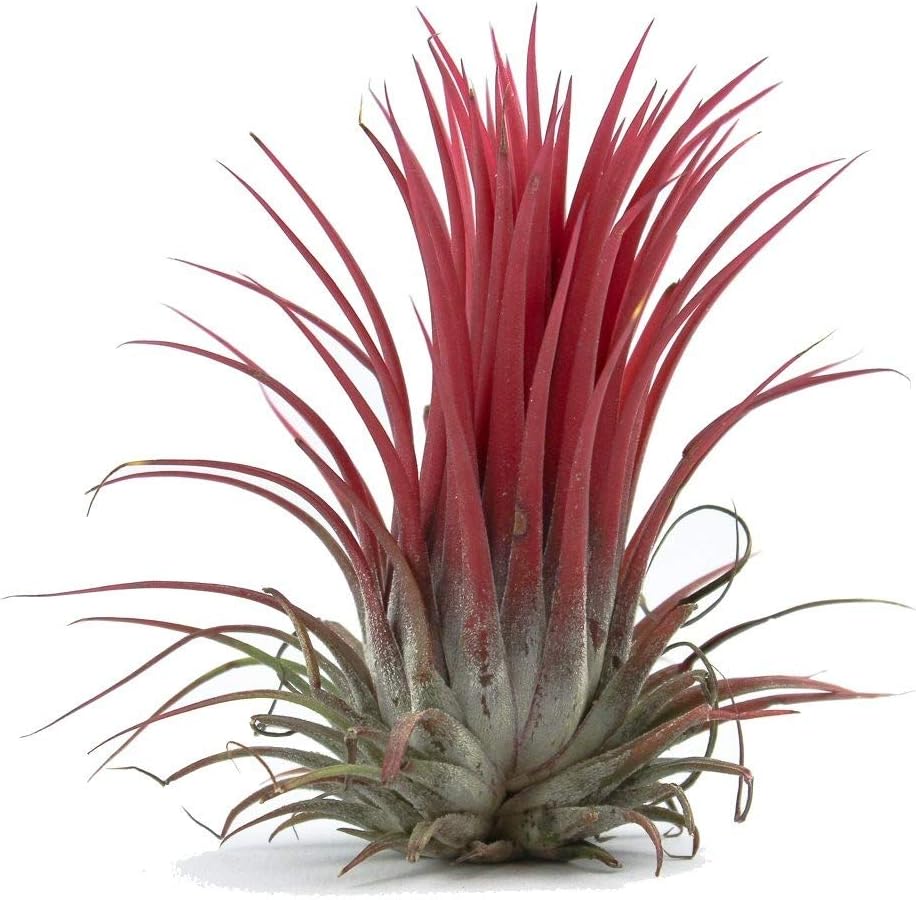
Tillandsia Ionantha: The Best, Easiest To Look After Air Plant For Beginners
Air plants, scientifically known as Tillandsia, have gained immense popularity in the realm of indoor gardening due to their unique beauty, minimal care requirements, and versatility.
Among the vast array of Tillandsia species, Tillandsia Ionantha stands out as a favorite among beginners and seasoned enthusiasts alike.
Renowned for its vibrant foliage, hardiness, and adaptability, Tillandsia Ionantha is the perfect choice for those venturing into the world of air plants for the first time.
In this article we talk about all the many reasons why Tillandsia Ionantha is considered the best air plant for beginners, exploring its unique characteristics, care requirements and potential for creative display.
Table of contents
- Tillandsia Ionantha: The Best, Easiest To Look After Air Plant For Beginners
- What is Tillandsia Ionantha?
- Why is Tillandsia Ionantha the best Air Plant for Beginners?
- Care Tips for Tillandsia Ionantha
- Creative Display Ideas for Tillandsia Ionantha
- Common Questions About Tillandsia Ionantha
- Does Tillandsia Ionantha Bloom?
- How Do I Fertilize Tillandsia Ionantha?
- How Do I Display Tillandsia Ionantha?
- How Often Should I Water Tillandsia Ionantha?
- Can I Propagate Tillandsia Ionantha?
- What Are the Common Problems with Tillandsia Ionantha?
- How Long Does Tillandsia Ionantha Live?
- Is Tillandsia Ionantha Pet-Friendly?
- Can Tillandsia Ionantha Be Grown Outdoors?
- What Should I Do If My Tillandsia Ionantha Is Turning Brown?
- How Do I Encourage My Tillandsia Ionantha to Bloom?
- Can Tillandsia Ionantha Grow Without Soil?
- How Big Does Tillandsia Ionantha Grow?
- How Do I Revive a Dying Tillandsia Ionantha?
- Do I Need to Mist My Tillandsia Ionantha?
- What Type of Water Should I Use for Tillandsia Ionantha?
- How Do I Know If My Tillandsia Ionantha Is Healthy?
- How Do I Mount Tillandsia Ionantha?
- What is luftpflanze?
- Conclusion
- You may also be interested in
What is Tillandsia Ionantha?
Tillandsia Ionantha is a species of air plant native to Central America, particularly Guatemala, Mexico, Honduras, and Nicaragua.
It belongs to the Bromeliaceae family and is characterized by its compact size, vibrant green foliage, and striking color changes during its blooming period.
Unlike many other air plants, Tillandsia Ionantha is relatively small, typically measuring between 1 to 3 inches in height, making it well-suited for a variety of display options, from terrariums and hanging planters to driftwood displays and tabletop arrangements.

Why is Tillandsia Ionantha the best Air Plant for Beginners?
There are several compelling reasons why Tillandsia Ionantha is considered the best air plant for beginners:
Ease of Care
Tillandsia Ionantha is incredibly forgiving and adaptable, making it an excellent choice for beginners who may be unfamiliar with the intricacies of air plant care.
It thrives in a wide range of indoor environments and can tolerate fluctuations in temperature, humidity, and light levels, making it resilient to common mistakes made by novice growers.
Minimal Watering Requirements
Tillandsia Ionantha has modest watering needs, requiring only occasional misting or soaking to maintain optimal hydration.
Beginners can easily incorporate Tillandsia Ionantha into their regular watering routine without the risk of overwatering, a common issue that can plague other types of air plants.
Colorful Foliage
One of the most appealing features of Tillandsia Ionantha is its vibrant foliage, which ranges from bright green to intense shades of red, orange, and purple during its blooming period.
The striking color changes add visual interest to any indoor space and provide beginners with a rewarding and visually captivating plant to care for.
Adaptability to Various Growing Conditions
Tillandsia Ionantha is highly adaptable and can thrive in a variety of lighting conditions, from bright, indirect light to partial shade.
This adaptability allows beginners to experiment with different display options and find the perfect spot for their Tillandsia Ionantha without worrying about meeting strict lighting requirements.
Versatility in Display
Tillandsia Ionantha’s compact size and attractive foliage make it suitable for a wide range of display options, including terrariums, hanging planters, driftwood displays, and tabletop arrangements.
Beginners can unleash their creativity and explore different ways to showcase their Tillandsia Ionantha, adding a personal touch to their indoor space.

Care Tips for Tillandsia Ionantha
While Tillandsia Ionantha is relatively easy to care for, it still requires proper attention to thrive.
Here are some essential care tips for beginners:
Light
Place Tillandsia Ionantha in a location with bright, indirect light, such as near a window or under grow lights. Avoid exposing it to direct sunlight, as this can cause its leaves to become scorched.
Watering
Water Tillandsia Ionantha by misting it with water 2-3 times a week or soaking it in a bowl of water for 20-30 minutes once a week.
Shake off any excess water after watering to prevent rot and ensure adequate air circulation around the plant.
Air Circulation
Provide Tillandsia Ionantha with good air circulation to prevent fungal growth and rot. Avoid placing it in enclosed terrariums or containers without proper ventilation.
Temperature:
Keep Tillandsia Ionantha in a room with temperatures between 50-90°F (10-32°C). Protect it from extreme heat or cold, as prolonged exposure to temperatures outside this range can damage its foliage.
Fertilizing:
While Tillandsia Ionantha can derive nutrients from the air, it can benefit from occasional fertilization to promote healthy growth and flowering. Use a balanced, water-soluble fertilizer diluted to half strength once a month during the growing season (spring and summer).

Creative Display Ideas for Tillandsia Ionantha
Tillandsia Ionantha’s versatility in display offers endless opportunities for creative expression. Here are some inspiring ways to showcase this beloved air plant:
Terrariums
Create miniature landscapes by placing Tillandsia Ionantha in glass terrariums with sand, rocks, or decorative accents.

Hanging Planters
Hang Tillandsia Ionantha in decorative holders or macramé hangers near windows or in empty corners to create a stunning focal point.


Driftwood Displays
Mount Tillandsia Ionantha on driftwood or branches to create natural-looking arrangements that mimic its native habitat.


Tabletop Arrangements
Arrange Tillandsia Ionantha in decorative bowls or trays filled with sand, gravel, or decorative stones for a simple yet elegant centerpiece.


Common Questions About Tillandsia Ionantha
Does Tillandsia Ionantha Bloom?
Yes, Tillandsia Ionantha produces a small, colorful bloom once in its lifetime, typically in late winter to early spring.
Before blooming, the leaves often change color, turning vibrant shades of red, pink, or purple.
The bloom itself is usually a small, tubular flower that can be purple, blue, or white. After blooming, the plant will produce offsets, or “pups,” which can be separated and grown independently.
How Do I Fertilize Tillandsia Ionantha?
Fertilize Tillandsia Ionantha every 2-4 weeks during the growing season (spring and summer) using a bromeliad or air plant fertilizer diluted to half strength.
Fertilizing helps encourage growth and flowering, but be careful not to over-fertilize, as this can damage the plant.
How Do I Display Tillandsia Ionantha?
Tillandsia Ionantha is versatile and can be displayed in various creative ways, such as mounted on driftwood, placed in terrariums, or attached to decorative holders.
Avoid using materials that retain moisture, like moss or soil, as these can cause rot. Ensure that the display allows for good air circulation around the plant.
How Often Should I Water Tillandsia Ionantha?
Water Tillandsia Ionantha by soaking it in water for 20-30 minutes once a week. In very dry environments or during hot weather, you may need to mist the plant lightly between soakings.
Adjust your watering schedule based on the humidity and temperature of your environment.
Can I Propagate Tillandsia Ionantha?
Yes, Tillandsia Ionantha can be propagated by removing the “pups” or offsets that appear after the mother plant blooms.
Once the pups reach about one-third the size of the mother plant, they can be carefully separated and grown as individual plants.
What Are the Common Problems with Tillandsia Ionantha?
- Rot: Caused by overwatering or poor air circulation. Ensure the plant dries completely after watering.
- Sunburn: Too much direct sunlight can cause the leaves to scorch or turn brown. Provide bright, indirect light instead.
- Dehydration: If the plant’s leaves curl or wrinkle, it may be dehydrated. Increase watering frequency or mist more often.
How Long Does Tillandsia Ionantha Live?
Tillandsia Ionantha has a lifespan of several years, typically between 3-5 years. After blooming, the mother plant will eventually die, but it will produce pups that can be separated and grown into new plants.
Is Tillandsia Ionantha Pet-Friendly?
Yes, Tillandsia Ionantha is non-toxic to pets and humans, making it a safe choice for households with animals.
Can Tillandsia Ionantha Be Grown Outdoors?
Tillandsia Ionantha can be grown outdoors in climates that mimic its native environment, such as those with warm temperatures and high humidity.
It should be placed in a shaded area to protect it from direct sunlight and brought indoors if temperatures drop below 50°F (10°C).
What Should I Do If My Tillandsia Ionantha Is Turning Brown?
Browning leaves on a Tillandsia Ionantha can be a sign of several issues:
- Overwatering: Browning at the base of the plant could indicate rot. Ensure the plant dries out completely after watering.
- Underwatering: Dry, brown tips may suggest dehydration. Increase watering frequency.
- Sunburn: Brown or scorched patches can occur if the plant receives too much direct sunlight. Move it to a spot with bright, indirect light.
How Do I Encourage My Tillandsia Ionantha to Bloom?
To encourage blooming, provide bright, indirect light, maintain proper humidity, and fertilize during the growing season. Mimicking the plant’s natural environment as closely as possible can also help stimulate blooming.
Can Tillandsia Ionantha Grow Without Soil?
Yes, like all air plants, Tillandsia Ionantha grows without soil. It absorbs water and nutrients through its leaves rather than roots.
This unique characteristic makes it ideal for creative displays and low-maintenance care.
How Big Does Tillandsia Ionantha Grow?
Tillandsia Ionantha is a small air plant, typically growing to about 2-4 inches (5-10 cm) in height and width. However, with proper care, it can produce multiple pups, creating a larger cluster of plants.
How Do I Revive a Dying Tillandsia Ionantha?
If your Tillandsia Ionantha shows signs of distress, such as curling leaves or discoloration, you can try to revive it by:
- Soaking: Give the plant a thorough soak for about 1-2 hours, then shake off excess water and allow it to dry.
- Adjusting Light: Ensure it’s receiving bright, indirect light, but not direct sunlight.
- Increasing Humidity: Mist the plant more frequently or place it near a humidifier.
- Trimming: Remove any dead or damaged leaves to encourage new growth.
Do I Need to Mist My Tillandsia Ionantha?
Misting can help maintain humidity levels, especially in drier environments. However, it should not replace regular soaking. Mist lightly between waterings, but ensure the plant has time to dry completely afterward to prevent rot.
What Type of Water Should I Use for Tillandsia Ionantha?
Use room-temperature water for soaking and misting your Tillandsia Ionantha. Rainwater, distilled water, or tap water that has been left out for 24 hours to allow chlorine to evaporate is ideal.
Avoid using softened water, as it can contain salts that may harm the plant.
How Do I Know If My Tillandsia Ionantha Is Healthy?
A healthy Tillandsia Ionantha will have firm, vibrant leaves that may turn red or pink before blooming.
The plant should be well-hydrated, with leaves that are not overly curled or dry. Regular blooming and the production of pups are also signs of a healthy plant.
How Do I Mount Tillandsia Ionantha?
Mounting Tillandsia Ionantha can be a fun and creative way to display the plant. You can attach it to driftwood, cork bark, or other decorative objects using non-toxic glue or fishing line.
Ensure that the mounted plant has good air circulation and is easily accessible for watering and care.
What is luftpflanze?
“Luftpflanze” is the German term for “air plant.”
The name “Luftpflanze” reflects the plant’s ability to live “in the air,” without the need for soil, making it an apt description of these fascinating plants.
Conclusion
In conclusion, Tillandsia Ionantha stands out as the perfect air plant for beginners, thanks to its ease of care, resilience, colorful foliage, and versatility in display.
Whether you’re a novice gardener looking to add a touch of greenery to your home or an experienced enthusiast seeking a low-maintenance addition to your collection, Tillandsia Ionantha is sure to delight with its unique beauty and adaptability.
By following basic care guidelines and exploring creative display options, beginners can embark on a rewarding and fulfilling journey with Tillandsia Ionantha, discovering the joy of indoor gardening one vibrant leaf at a time.
So why not start your air plant journey today and experience the wonder of Tillandsia Ionantha for yourself? Click here to buy now!
You may also be interested in
Best Varieties of Air Plants and How To Care for them.
How to Style Your Home with House Plants
The Best Low-Maintenance, Low Light and Pet-Safe Houseplants
The Best House Plants for a Small Bathroom with No Windows
The Ultimate Guide to Succulent Plant Pots
How to Remove and Prevent White Mould on Houseplants
The Beauty and Care of Christmas Cactus
How to Decorate Your House with Rugs – a comprehensive guide
A Comparison of the Kärcher Window Vacs – which is best?
How to Tackle Mould in Your Home
Plants That Absorb Air Moisture: Enhancing Indoor Air Quality in the UK
How to make your rooms look bigger using mirrors
Blob Mirrors: The Hottest Interior Trend of 2023
Unveiling the Benefits of Stick-On Mirrors



Leave a Reply