
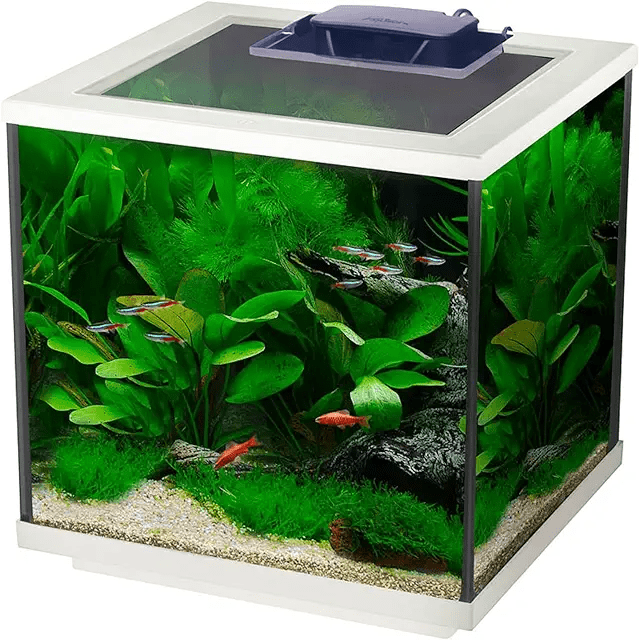
Our Guide to Selecting the Perfect Aquarium for Your Small Apartment
Adding an aquarium to a small apartment can transform the ambiance and bring a slice of underwater tranquility into your living space. However, choosing the right aquarium for a confined area requires thoughtful consideration and planning.
In this guide, we’ll delve into essential factors to consider when purchasing an aquarium for your small apartment, ensuring a harmonious blend of aesthetics, space efficiency, and aquatic life care.
Table of Contents
- Our Guide to Selecting the Perfect Aquarium for Your Small Apartment
- 1. Assess your available space for a new aquarium
- 2. Consider the Size and Type of Aquarium
- 3. Consider the maintenance and equipment required for your small aquarium
- 4. Consider the compatibility for your chosen fish / plants and also how you would like to aquascape
- 5. Consider Noise and Environmental Considerations:
- 6. Consider your Budget and the Long-Term Commitment
- Common Questions About Selecting the Perfect Aquarium for Your Small Apartment
- What size aquarium is best for a small apartment?
- Where should I place my aquarium in a small apartment?
- What are the best types of fish for a small apartment aquarium?
- Do small aquariums require filtration systems?
- How much maintenance does a small aquarium require?
- Can I have plants in a small apartment aquarium?
- How much does a small aquarium cost to set up?
- Is a heater necessary for a small aquarium?
- What lighting is best for a small aquarium?
- How do I choose the right filter for a small aquarium?
- Can I have an aquarium in a rental apartment?
- How can I reduce noise from my aquarium in a small apartment?
- What are the best shapes for small aquariums?
- How can I decorate my small apartment aquarium?
- Can I have a saltwater aquarium in a small apartment?
- How can I prevent water damage in a small apartment?
- Are there specific materials that are better for small aquariums?
- What’s the best way to cycle a small aquarium?
- Can I have a small aquarium without a stand?
- How do I handle water changes in a small apartment?
- Conclusion
- You may also be interested in
1. Assess your available space for a new aquarium
Think about your room dimensions
Measure the available space in your apartment to determine the suitable size and placement for the aquarium. Consider tabletop or desktop tanks for space optimization.
Consider possible locations for your new fish tank
Identify suitable areas for placing the aquarium, ensuring it complements the apartment’s layout and doesn’t obstruct foot traffic or essential spaces.
Here are some tips to consider when choosing a location :
Avoid Direct Sunlight
Direct sunlight can lead to excessive algae growth and temperature fluctuations within the tank. This can stress your fish and affect water quality. Choose an area away from direct sunlight or use curtains/blinds to regulate light exposure.
Accessibility for Maintenance
Pick a location that allows easy access for cleaning, maintenance, and feeding. Having sufficient space around the tank helps when performing water changes, accessing equipment, and reaching all sides for cleaning.
Stable Temperature and Avoid Drafts
Keep the aquarium away from drafty areas, air conditioning vents, heaters, or direct heat sources. Temperature stability is essential for fish health, so choose a spot where the temperature remains relatively constant.
Electrical Outlets
Ensure there are nearby electrical outlets for the aquarium equipment such as filters, heaters, and lighting. Using power strips or surge protectors may also be beneficial.
Visibility and Aesthetics
Consider the visual impact of the aquarium within your apartment. Placing it in an area where you can enjoy viewing the fish and where it complements the overall aesthetics of the room can enhance the ambiance of your living space.
Flooring and Waterproofing
Place the aquarium on a waterproof surface to protect against potential spills or leaks. Carpets might not be the best option, as they can be damaged by water over time.
Consider Noise Levels: Some aquarium equipment, like filters or air pumps, can produce noise. Ensure the chosen location doesn’t interfere with your comfort or peace due to equipment sounds.
Safety Measures: If you have pets or young children, ensure the aquarium is placed in a secure location to prevent accidents. Consider using tank covers or sturdy stands for added safety.
Weight Bearing Capacity
Evaluate the strength and weight-bearing capacity of the chosen location to support the tank’s weight when filled with water and decorations.
2. Consider the Size and Type of Aquarium
Fish Tank Size
Opt for smaller-sized aquariums, such as nano tanks ranging from 2 to 10 gallons, to fit limited spaces. Choose tank dimensions that harmonize with the available area.
Here are some examples of highly recommend small aquariums ideal for small houses and apartments :


You can learn more about these aquariums here : Best Aquariums for Small Apartments and Small Rooms
Type of Fish Tank
Consider rimless or frameless designs for a sleek and modern look, or explore all-in-one systems that come as kits with integrated filtration and lighting, perfect for compact spaces.


3. Consider the maintenance and equipment required for your small aquarium
Filtration and Lighting
Choose tanks equipped with efficient filtration systems and appropriate LED lighting suitable for the aquatic life you plan to keep. Low-maintenance systems are ideal for small apartments, the biOrb Flow, Fluval SPEC and Marineland Contour 3 are ideal examples of low maintenance aquariums.
Heating and Water Parameters
Ensure the tank has suitable heating units for maintaining stable water temperatures, especially for tropical fish. Opt for systems that simplify monitoring and maintenance of water parameters.
Here are some highly recommended nano fish tank heaters that are suitable for small aquariums :


Accessible Maintenance
Select tanks with easy access for routine maintenance tasks, such as cleaning, water changes, and equipment adjustments, in a limited space environment.
4. Consider the compatibility for your chosen fish / plants and also how you would like to aquascape
Aquatic Life Selection
Research and select species suitable for smaller tanks, like small fish, shrimp, or nano-friendly plants. Ensure compatibility and space adequacy for the inhabitants.
You can clean more about some of the best fish to stock in a small aquarium here : Best Aquariums for Small Apartments and Small Rooms
Please do not add too many fish to small tanks – one fish per gallon is a general rule.
Aquascaping
Plan the tank layout carefully, incorporating driftwood, rocks, live plants, or decorative elements to create a visually appealing underwater landscape while maximizing space.
5. Consider Noise and Environmental Considerations:
Equipment Noise
Consider noise levels generated by equipment like filters or pumps. Choose quiet and efficient equipment suitable for apartment living to maintain a peaceful environment.
This pump comes highly rated and is extremely quiet – ideal for small rooms / bedrooms. Nicrew is not a well known brand, but the reviews certainly speak for themselves :

Waterproofing and Protection
Safeguard surfaces from potential water spills or leaks by using waterproof mats or trays underneath the aquarium.

6. Consider your Budget and the Long-Term Commitment
Cost Consideration
Evaluate initial costs and ongoing expenses for equipment, decorations, and maintenance. Set a budget for essentials like water conditioners, food, and replacement parts.
Long-Term Commitment
Understand the dedication required for maintaining an aquarium. Ensure you have the time, resources, and commitment for long-term care and upkeep.
Common Questions About Selecting the Perfect Aquarium for Your Small Apartment
What size aquarium is best for a small apartment?
For a small apartment, a 5 to 20-gallon aquarium is typically ideal. These sizes are manageable, don’t take up too much space, and still provide a good environment for a small community of fish.
Consider your available space and the type of fish you want to keep when choosing the size.
Where should I place my aquarium in a small apartment?
Place your aquarium in an area that is away from direct sunlight to prevent algae growth and temperature fluctuations.
Ensure the surface is sturdy enough to support the aquarium’s weight, and consider placing it in a spot where you can easily access it for maintenance.
What are the best types of fish for a small apartment aquarium?
For smaller aquariums, consider fish species like Betta fish, Tetras, Guppies, or a small community of shrimp. These species are typically hardy, easy to care for, and don’t require a large tank.
Do small aquariums require filtration systems?
Yes, even small aquariums need filtration to maintain water quality and keep your fish healthy. Look for a compact, quiet filter that’s appropriate for the size of your tank. There are many small, efficient filters designed specifically for smaller aquariums.
How much maintenance does a small aquarium require?
Small aquariums require regular maintenance, including weekly water changes (around 20-30%), filter cleaning, and monitoring water parameters.
Because small tanks can have more rapid changes in water quality, consistent maintenance is key.
Can I have plants in a small apartment aquarium?
Yes, live plants can thrive in a small aquarium and help maintain water quality by absorbing nitrates.
Low-light plants like Java Moss, Anubias, and Java Fern are good options for small tanks.
How much does a small aquarium cost to set up?
Setting up a small aquarium can vary in cost depending on the equipment and fish you choose.
Basic setups, including the tank, filter, heater, substrate, and decorations, can start around $50 to $150. More elaborate setups with high-end equipment and exotic fish can be more expensive.
Is a heater necessary for a small aquarium?
A heater is necessary if you plan to keep tropical fish, as they require stable, warm water temperatures.
Ensure the heater is appropriate for the size of your tank, with adjustable settings to maintain the desired temperature.
What lighting is best for a small aquarium?
LED lighting is a popular choice for small aquariums because it’s energy-efficient and produces minimal heat.
The light should be appropriate for the type of fish and plants you have, with some models offering adjustable brightness and color settings.
How do I choose the right filter for a small aquarium?
Choose a filter that is rated for the size of your aquarium. Hang-on-back (HOB) filters are popular for small tanks because they are efficient and easy to maintain. Sponge filters are another good option, particularly for tanks with small or delicate fish.
Can I have an aquarium in a rental apartment?
Yes, you can have an aquarium in a rental apartment, but check your lease for any specific restrictions or guidelines.
Ensure that your aquarium is secure and unlikely to cause water damage to avoid potential issues with your landlord.
How can I reduce noise from my aquarium in a small apartment?
To reduce noise, choose a quiet filter and consider placing a foam mat under the tank to dampen vibrations.
Regularly maintain equipment to ensure it runs smoothly and doesn’t create excess noise.
What are the best shapes for small aquariums?
Rectangular tanks are generally the best shape for small aquariums as they provide better surface area for oxygen exchange and more swimming space for fish.
Cube tanks are also popular and can be a stylish option for limited space.
How can I decorate my small apartment aquarium?
Decorate with a mix of live plants, rocks, and ornaments that are scaled appropriately for the size of your tank. Avoid overcrowding, which can reduce swimming space and make maintenance more difficult.
Can I have a saltwater aquarium in a small apartment?
While it’s possible, saltwater aquariums require more space, equipment, and maintenance than freshwater setups.
If you’re new to the hobby or have limited space, starting with a freshwater tank is often more manageable.
How can I prevent water damage in a small apartment?
To prevent water damage, ensure your tank is properly sealed and avoid overfilling it. Use a waterproof mat under the tank, and always have a plan for quick water cleanup in case of spills.
Are there specific materials that are better for small aquariums?
Glass is the most common material for aquariums, offering clarity and durability. Acrylic tanks are lighter and more impact-resistant but can scratch more easily. Both materials are suitable; the choice depends on your preference and budget.
What’s the best way to cycle a small aquarium?
Cycling a small aquarium involves establishing beneficial bacteria that break down waste. This can take several weeks, during which you should monitor ammonia, nitrite, and nitrate levels. Fishless cycling using ammonia is a common method.
Can I have a small aquarium without a stand?
Yes, but ensure the surface where you place the aquarium is flat, level, and strong enough to support the weight of the filled tank. A dedicated aquarium stand is often the safest option, especially for larger tanks.
How do I handle water changes in a small apartment?
Use a siphon or small bucket to remove and replace water. Consider using a water conditioner to treat tap water before adding it to your tank. Small water changes are easier to manage and can be done more frequently to maintain water quality.
Conclusion
Purchasing an aquarium for a small apartment involves a meticulous selection process encompassing space assessment, equipment considerations, aquascaping, and budget planning.
By carefully evaluating these factors, you can create a captivating aquatic display that not only enhances the aesthetics of your living space but also fosters a thriving environment for the aquatic life within it.
Finding the perfect aquarium for your small apartment allows you to enjoy the beauty and serenity of an underwater world in a space-efficient and harmonious manner.
Happy fish keeping!
You may also be interested in
The Best Aquariums For Your Home
Best Aquariums for Small Apartments and Small Rooms
Must-Have Space Saving Products for Small Apartments
The Best Modern Wall Clocks: Minimalist, Retro, Tech-Infused, Statement & Artistic designs
Best Silent Wall Clocks for Bedrooms
The Best Wall Clocks for your home
Review: Kärcher WV 2 Plus Window Vac (and a comparison to Kärcher WV 1)
How to Use Smart Plugs in Your Home and why you need one!
How to Tackle Mould in Your Home
Plants That Absorb Air Moisture: Enhancing Indoor Air Quality in the UK
How to make your rooms look bigger using mirrors
Blob Mirrors: The Hottest Interior Trend of 2023
Unveiling the Benefits of Stick-On Mirrors
Making the Most of Your Small Entrance way
How to Make the Most of Limited Space : Small Living Rooms
Best Sofa Designs for Small Living Rooms
Mirrors for Your Living Room Wall
A Guide to Runners for Hallways
The Benefits of Oversized Mirrors in Bedrooms
The Magic of Peel & Stick Wallpaper – Self Adhesive Revolution
Why You Need a Glitter Ball / Mirror Ball in Your Home
How to make your bathroom smell like a spa: Aromatherapy Tips and Techniques


Leave a Reply