
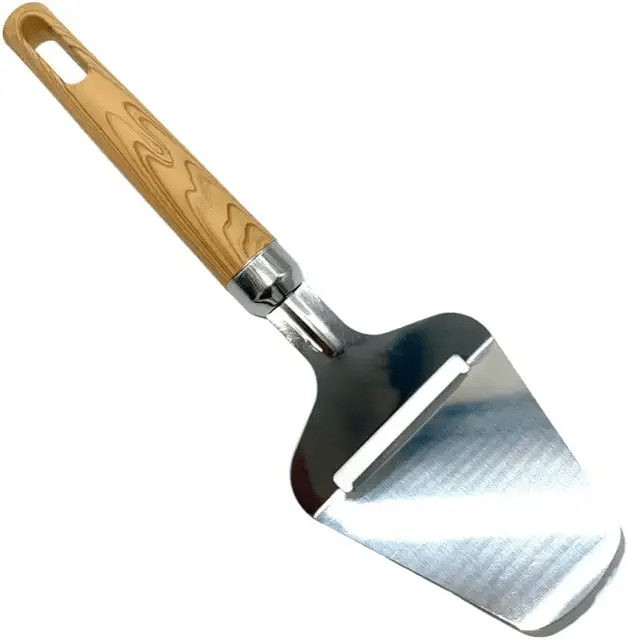
11 Best Cheese Slicers: Stop the Crumble on Hard Cheeses (Wire vs. Blade Comparison)
Looking for the Best Cheese Slicers to enhance your cheese board or streamline kitchen prep?
Whether you’re carving through soft, gooey mozzarella or tackling a rigid wedge of aged Parmesan, not all slicers are created equal. One of the biggest frustrations home cooks face is when cheese crumbles instead of slicing neatly — especially with hard cheeses. That’s why understanding wire vs. blade mechanisms is essential to choosing the right slicer for your needs.
In this guide, we’ll break down the different types of slicers, highlight what makes them best for different cheese textures, and help you stop the crumble once and for all.
Table of Contents
1. Bellemain Adjustable Thickness Cheese Slicer
The Bellemain Adjustable Thickness Cheese Slicer is a versatile and durable slicer that allows you to adjust the thickness of your cheese slices.
Made from zinc alloy, it ensures longevity and consistent performance.

| Pros | Cons |
|---|---|
| Adjustable thickness | Not suitable for very hard cheeses |
| Durable zinc alloy construction | Can be difficult to adjust initially |
| Easy to use and clean | |
| Replacement wire included |
2. OXO Good Grips Wire Cheese Slicer with Replaceable Wires
The OXO Good Grips Wire Cheese Slicer offers a comfortable grip and replaceable wires, making it a practical choice for daily use.
Its sturdy construction ensures it can handle various cheese types with ease.

| Pros | Cons |
|---|---|
| Comfortable grip | Wires may break with very hard cheeses |
| Replaceable wires | Slightly bulky design |
| Durable construction | |
| Suitable for semi-soft and semi-hard cheeses |
3. Westmark Germany Multipurpose Cheese and Food Slicer
This multipurpose slicer from Westmark is designed for efficiency and ease of use.
Its adjustable thickness setting and robust stainless steel blade make it ideal for slicing cheese and other foods.

| Pros | Cons |
|---|---|
| Adjustable thickness | Not dishwasher safe |
| Stainless steel blade | Blade requires regular sharpening |
| Ergonomic handle | |
| Multipurpose use |
4. Prodyne Thick Beechwood Cheese Slicer
The Prodyne Beechwood Cheese Slicer combines functionality with aesthetics.
Its beechwood base and stainless steel wire make it an attractive and effective tool for slicing cheese.

| Pros | Cons |
|---|---|
| Beautiful beechwood base | Not adjustable |
| Durable stainless steel wire | Requires careful handling to avoid wire breakage |
| Easy to clean | |
| Sturdy construction |
5. Boska Holland Cheese Slicer and Plane
Boska Holland’s Cheese Slicer and Plane is a professional-grade tool that offers precision and durability.
Its stainless steel blade and ergonomic handle provide a comfortable slicing experience.

| Pros | Cons |
|---|---|
| Professional-grade quality | Higher price point |
| Ergonomic handle | Not adjustable |
| Stainless steel blade | |
| Suitable for various cheese types |
6. Norpro Heavy Duty Adjustable Cheese Slicer
The Norpro Heavy Duty Adjustable Cheese Slicer is designed for strength and versatility.
Its adjustable wire allows you to slice cheese to your desired thickness with ease.

| Pros | Cons |
|---|---|
| Adjustable wire | Adjustment mechanism can be tricky |
| Heavy-duty construction | Replacement wires sold separately |
| Easy to use | |
| Suitable for soft and hard cheeses |
7. BOSKA Copenhagen Cheese Slicer
BOSKA’s Copenhagen Cheese Slicer is a lightweight and durable option for cheese lovers.
Its stainless steel construction ensures it can handle both soft and semi-hard cheeses effectively.

| Pros | Cons |
|---|---|
| Lightweight design | Not suitable for very hard cheeses |
| Durable stainless steel | Fixed thickness |
| Easy to clean | |
| Affordable |
8. Zyliss Classic Rotary Cheese Grater
The Zyliss Classic Rotary Cheese Grater offers a unique approach to slicing cheese.
Ideal for hard cheeses, it features a rotary mechanism that allows for easy grating.

| Pros | Cons |
|---|---|
| Rotary mechanism | Not ideal for soft cheeses |
| Dishwasher safe | Can be difficult to clean manually |
| Suitable for hard cheeses | |
| Ergonomic handle |
9. KitchenAid Classic Cheese Slicer
The KitchenAid Classic Cheese Slicer is a reliable and stylish tool.
Its ergonomic handle and durable construction make it a great addition to any kitchen.

| Pros | Cons |
|---|---|
| Ergonomic handle | Not adjustable |
| Durable construction | Wire may need replacement over time |
| Suitable for semi-soft and semi-hard cheeses | |
| Easy to use |
10. RSVP Polished Marble Cheese Slicer
The RSVP Polished Marble Cheese Slicer is both functional and elegant.
Its marble base and stainless steel wire make it a stylish and effective tool for cheese slicing.

| Pros | Cons |
|---|---|
| Elegant marble base | Not adjustable |
| Durable stainless steel wire | Heavier than other slicers |
| Easy to clean | |
| Replacement wire included |
11. Fox Run Marble Cheese Slicer
The Fox Run Marble Cheese Slicer is another stylish option with a durable marble base.
It provides precise slicing and a beautiful presentation for any cheese platter.

| Pros | Cons |
|---|---|
| Beautiful marble base | Not adjustable |
| Stainless steel wire | Requires careful handling to avoid wire breakage |
| Easy to clean | |
| Includes replacement wire |
Why You Need a Good Cheese Slicer
A high-quality cheese slicer offers several benefits:
| Benefit | Description |
|---|---|
| Uniform Slices | Ensures even slices every time, which is essential for presentation and recipe consistency. |
| Efficiency | Makes slicing cheese quick and effortless, saving time and effort. |
| Versatility | Many slicers can handle a wide range of cheeses, from soft to hard varieties. |
| Safety | A good chees slicer reduces the risk of accidents compared to using a knife. |
Different Types of Cheese Slicers
There are several types of cheese slicers, each designed for different needs:
| Type of Cheese Slicer | Best For | Key Benefit |
|---|---|---|
| Wire Cheese Slicers | Soft and semi-soft cheeses | Creates smooth, even slices with minimal pressure |
| Plane Cheese Slicers | Hard cheeses | Allows adjustment of slice thickness |
| Rolling Cheese Slicers | Precision slicing | Easy to use with handle and roller control |
| Electric Cheese Slicers | Large batches or commercial use | Fast and efficient for high-volume slicing |
| Multi-Purpose Cheese Slicers | All types of cheese | Versatile – can handle various slicing tasks |
Cheese Slicer Type vs. Cheese Texture – At-a-Glance Comparison Table
| Slicer Type | Best For | Not Ideal For | Key Benefits | Typical Drawback |
|---|---|---|---|---|
| Wire Slicer | Soft & semi-soft (mozzarella, brie) | Very hard cheeses (Parmesan) | Smooth, clean cuts, minimal sticking | Wire can snap under pressure |
| Plane / Blade Slicer | Semi-hard to hard (cheddar, Gouda) | Very soft cheeses | Adjustable thickness, great for firmer cheeses | Can cause crumbling on very brittle cheeses |
| Rolling Wire Slicer | Soft to semi-hard (Havarti, Edam) | Very hard or aged cheeses | Precision cuts, smooth gliding action | Limited to thickness of roller |
| Rotary / Handle Slicer | Semi-hard (Swiss, provolone) | Soft or very hard cheeses | Uniform slices, efficient for multiple pieces | Can struggle with sticky cheese |
| Electric Slicer | Large quantities, commercial use | Casual home use | Fast, consistent, ideal for catering | Bulky + more expensive |
| Multi-Purpose Slicer | Wide range including some hard cheeses | Extremely soft cheeses | Versatile, often adjustable | May not excel at any specific cheese type |
Best Slicer by Cheese Type – Quick Reference Guide
| Cheese Type | Recommended Slicer | Why It Works Best |
|---|---|---|
| Mozzarella, Brie, Camembert | Wire Slicer | Minimal drag and sticking |
| Cheddar (mild), Edam, Havarti | Rolling Wire or Plane | Handles firmness while avoiding crumble |
| Aged Cheddar, Gouda, Manchego | Blade / Plane Slicer | Offers controlled pressure |
| Parmesan, Pecorino, Vintage Cheeses | Blade / Plane or Microplane | Requires sharp, rigid edge |
| Processed block cheeses | Rotary Slicer | Quick, uniform slicing |
| Large cheese platters or catering | Electric Slicer | Perfect for bulk, consistent presentation |
How to Choose the Best Cheese Slicer
When choosing a cheese slicer, consider the following factors:
| Factor | What to Consider |
|---|---|
| Type | Choose based on cheese type:• Wire slicers – ideal for soft cheeses• Plane slicers – best for hard cheeses• Rotary slicers – fast and efficient• Electric slicers – suitable for large quantities |
| Material | • Stainless steel – durable and easy to clean• Wooden bases – stylish but require careful maintenance |
| Design | Look for ergonomic handles, adjustable thickness, replaceable wires, and consider overall size and storage |
| Ease of Cleaning | Dishwasher-safe models are convenient, but some slicers need hand washing to preserve quality |
| Versatility | Some slicers can handle multiple foods and offer different slice styles, adding value in the kitchen |
Slicer Showdown: Wire vs. Blade vs. Roller
Choosing the right cheese slicer depends heavily on the type and texture of cheese you regularly use. Below, we break down the three main slicer mechanisms to help you find the perfect match for your kitchen.
Wire Slicers: Best for Soft & Semi-Hard Cheeses
If you enjoy cheeses like mozzarella, brie, Camembert, or mild cheddar, a wire cheese slicer is your best option. Wire slicers glide through soft and moist cheeses with minimal resistance, reducing sticking and helping create smooth, even cuts.
- Ideal for presentation-style slices
- Less pressure required → prevents squashing the cheese
- Easy to maintain, with many models offering replaceable wires
💡 Tip: For even cleaner results, run the wire under warm water before slicing.
Blade and Plane Slicers: The Right Choice for Hard Cheese
Hard cheeses like Parmesan, aged Gouda, Manchego or Pecorino need a sharp metal blade or slicing plane to cut cleanly without crumbling. These slicers apply more force while keeping structural control, allowing thin or thick slices without cracking the cheese.
- Excellent for even slice control and cheese boards
- Durable and designed to handle dense textures
- Some models include adjustable thickness mechanisms
Roller Slicers: Consistent and Controlled Cutting
Roller slicers combine a handle, guiding roller, and slicing wire, making them accurate and easy to use. They work well for semi-hard cheeses like Edam, Gouda, and medium cheddar, offering both speed and consistency.
Preventing Cheese Crumbling and Sticking
One of the most common frustrations when slicing cheese is dealing with stickiness or crumbly edges. Here’s how to improve performance instantly, regardless of slicer type:
| Problem | Quick Fix |
|---|---|
| Cheese sticks to wire/blade | Warm the slicer under hot water before slicing |
| Cheese crumbles | Allow hard cheese to sit at room temperature for 15–20 minutes |
| Drag during slicing | Lightly coat the blade or wire with cooking oil |
| Uneven texture | Use long, smooth slicing motions instead of force |
Ergonomics and Adjustability: Choosing the Right Thickness
When selecting a cheese slicer, comfort and flexibility are key—especially if you prep larger boards or cook frequently.
Look for models with:
✔ Adjustable thickness settings → ideal if you want fine slices for melting or thicker pieces for serving
✔ Ergonomic handles → reduces wrist fatigue during high-volume slicing
✔ Replaceable components → especially important with wire slicers
✔ Stable cutting surface → some come with built-in cutting bases for control
If presentation matters (think charcuterie boards or cooking with precision), a slicer with adjustable thickness is a major upgrade.
Common Questions About Cheese Slicers for Home Kitchens
What is a cheese slicer?
A cheese slicer is a kitchen tool designed specifically to slice cheese into even, thin pieces. It can come in various forms, including wire slicers, plane slicers, and rotary slicers.

What types of cheese slicers are available?
There are several types of cheese slicers: wire slicers, plane slicers, rolling slicers, rotary slicers, and multi-purpose slicers that may include adjustable thickness options.
Which type of cheese slicer is best for hard cheeses?
Wire slicers and plane slicers are generally best for hard cheeses.
They provide the necessary pressure and cutting surface to slice through firmer cheese.
Can a cheese slicer be used for soft cheeses?
Yes, cheese slicers can be used for soft cheeses.
However, wire slicers are particularly well-suited for softer cheeses as they can slice through without squishing the cheese.
What material is best for a cheese slicer?
Stainless steel is often the best material for a cheese slicer due to its durability, resistance to rust, and ease of cleaning.
Other materials like zinc alloy and beechwood are also popular for their durability and aesthetic appeal.
How do I clean a cheese slicer?
Most cheese slicers can be cleaned with warm, soapy water and a sponge.
Some are dishwasher safe, but it’s always best to check the manufacturer’s instructions.
Can I adjust the thickness of slices with a cheese slicer?
Some cheese slicers, like the Bellemain Adjustable Thickness Cheese Slicer and the Norpro Heavy Duty Adjustable Cheese Slicer, allow you to adjust the thickness of the slices.

How do I maintain the sharpness of a cheese slicer?
For wire cheese slicers, periodically replace the wire as it wears out.
For blade slicers, ensure they are regularly cleaned and occasionally sharpened if they have a metal blade.
What are the advantages of using a cheese slicer over a knife?
Cheese slicers provide even, consistent slices, which can be difficult to achieve with a knife.
They also reduce the risk of crushing soft cheeses and ensure a more uniform presentation.
Are cheese slicers safe to use?
Cheese slicers are generally safe to use. However, like any kitchen tool with sharp components, they should be used with care to avoid injury.
Can I use a cheese slicer for other foods?
Some cheese slicers, particularly multi-purpose ones, can be used for other foods like fruits, vegetables, and chocolates.
However, this depends on the slicer’s design and strength.
What should I look for when buying a cheese slicer?
When buying a cheese slicer, consider factors like the type of cheese you often use, the material and durability of the slicer, ease of cleaning, adjustability of slice thickness, and any additional features like ergonomic handles.
How long do cheese slicers typically last?
With proper care and maintenance, a high-quality cheese slicer can last for many years. Durability depends on the material and construction of the slicer.

Are cheese slicers dishwasher safe?
Some cheese slicers are dishwasher safe, but it varies by model. Always check the manufacturer’s guidelines. Hand washing is often recommended to preserve the slicer’s longevity.
Can a cheese slicer cut through rinds?
Most cheese slicers can cut through the rinds of cheeses, but very hard rinds may require a knife.
Wire slicers and plane slicers can generally handle softer rinds easily.
Are there any eco-friendly cheese slicers?
Cheese slicers made from sustainable materials like bamboo or those with long-lasting stainless steel components are considered more eco-friendly due to their durability and reduced need for replacements.
How do I use a cheese slicer correctly?
To use a cheese slicer, place the cheese on a flat surface, hold the slicer firmly, and apply even pressure as you slide it across the cheese. For adjustable slicers, set the desired thickness before slicing.
Conclusion
Choosing the right tool from the Best Cheese Slicers in this article isn’t just about aesthetics — it’s about functionality. By understanding the wire vs. blade comparison, you can match your slicer to your cheese texture: go for wire if you’re handling soft and semi-hard cheeses, or opt for a sturdy blade if you’re dealing with firm, aged wedges.
With the right slicer in hand, you can finally stop the crumble on hard cheeses, get even cuts every time, and enjoy your cheese board without the frustration. Whether you’re entertaining guests, prepping for dinner, or just treating yourself, the perfect slicer makes all the difference.
You may also be interested in
13 Best Pestle and Mortar Sets
Our Place Always Pan Review (2025): Is It Worth the Price? Durability & Non-Stick Performance Test
5 Best Garlic Presses: Traditional Press vs. Rocker (Plus Our Pick for Easiest Cleaning)
5 Best Vegetable Peelers: Y-Peeler vs. Swivel (Plus Our Pick for Butternut Squash)
Review : Alligator Chopper: My favorite kitchen tool
The Best Non-Stick Frying Pans
Best 10 Kitchen Scales : Our Guide
Best 10 Saucepans for Your Kitchen
Our Guide to the Best Can Openers
9 Best Can Openers for Seniors
Best Salt and Pepper Grinders for Your Kitchen
Silicone Whisks for Baking: Our Guide
Best Food Thermometer for Home Cooking
The Best Measuring Spoons for Home Baking

Leave a Reply