
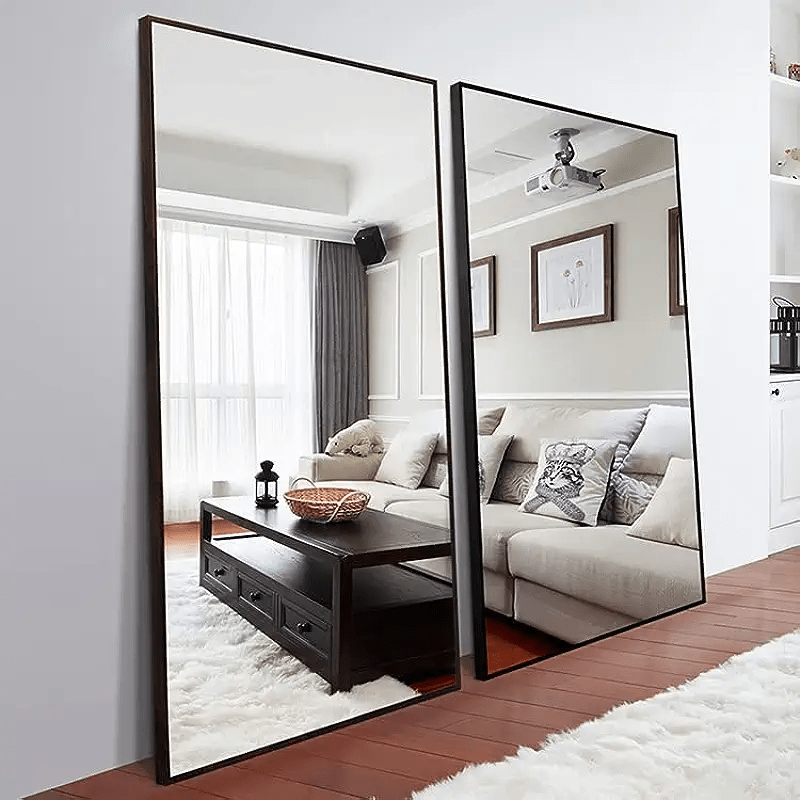
How to make your rooms look bigger using mirrors
When it comes to interior design, mirrors are a powerful tool that can instantly enhance the visual appeal and perceived space of a room. By strategically placing mirrors, both big and small, you can create the illusion of a larger, more open area, even in the most compact spaces.
In this article, we’ll explore effective techniques to make your rooms look bigger using mirrors and unlock the magic of visual expansion.
Table of contents
- How to make your rooms look bigger using mirrors
- 1. Opt for Oversized Mirrors
- 2. Position Mirrors Near Light Sources
- 3. Create a Mirror Gallery Wall
- 4. Mirrored Sliding Wardrobe Doors
- 5. Mirrored Furniture and Decor
- 6. Reflective Backsplashes in Kitchens and Bathrooms
- 7. Use Mirrored Panels or Art
- One word of warning about overusing mirrors
- Are there any downsides of using mirrors to make your rooms look bigger?
- Conclusion
- You may also be interested in
1. Opt for Oversized Mirrors
When choosing mirrors for your rooms, consider oversized options that cover a significant portion of the wall. A large mirror reflects more light and surroundings, giving the impression of extended space.
Place these mirrors on the longest wall or across from a window to maximize their impact.


Oversized mirrors is a modern trend, especially in bedrooms. You can read more about the benefits of oversized mirrors in bedrooms here : The Benefits of Oversized Mirrors in Bedrooms
2. Position Mirrors Near Light Sources
Mirrors have the remarkable ability to bounce natural and artificial light around a room. Place mirrors strategically near windows, lamps, or light fixtures to amplify the light and brighten up the space. The reflected light will create an open and airy atmosphere, making the room appear more spacious.

You can learn more about brightening a room using mirrors here : How to Brighten a Room Using Mirrors
3. Create a Mirror Gallery Wall
If you’re looking to add a touch of elegance while expanding space, consider creating a gallery wall of mirrors. Mix and match different mirror shapes and sizes to achieve an interesting visual effect. This arrangement not only serves as a stunning focal point but also contributes to the illusion of spaciousness.
My recommendation is to use very easy to apply “Peel and Stick” mirrors for this purpose. You can read my full article related to Stick-on Mirrors here : Reflecting Style: Unveiling the Magic of Stick-On Mirrors

4. Mirrored Sliding Wardrobe Doors
In bedrooms with limited space, swap traditional wardrobe doors for mirrored sliding doors. These doors not only provide a functional storage solution but also double as reflective surfaces that visually extend the room. The continuous reflection eliminates the barrier effect, making the area appear more open.

5. Mirrored Furniture and Decor
Incorporating mirrored furniture and decor pieces can contribute to the illusion of space. Items like mirrored coffee tables, nightstands, and shelves add a touch of glamour while reflecting the room’s surroundings. These pieces can create a sense of depth, making the area feel more expansive.


6. Reflective Backsplashes in Kitchens and Bathrooms
For smaller kitchens and bathrooms, consider using mirrored tiles or reflective materials as backsplashes. These surfaces can bounce light around the space and create a sense of continuity. As a result, the room feels larger and more inviting.


7. Use Mirrored Panels or Art
Place mirrored panels or artwork strategically on walls that lack windows. These pieces will not only add a decorative touch but also amplify the feeling of openness. The reflections of adjacent walls and furnishings create a sense of depth that makes the room look bigger.


One word of warning about overusing mirrors
There are clearly many benefits of mirrors in your rooms, including making them feel bigger. However, like any design element it’s possible to overdo it.
So, how many mirrors are too many in a room? There is definitely a fine line between a well-balanced reflection-filled space and a room overwhelmed by mirrors. You can read more about that here : How Many Mirrors Are Too Many in a Room?
Are there any downsides of using mirrors to make your rooms look bigger?
While using mirrors strategically to create the illusion of spaciousness offers numerous benefits, I want to be balanced in this article and also discuss some potential downsides / considerations to keep in mind.
1. Too Many Mirrors Can Overwhelm:
As I mentioned above, excessive use of mirrors might lead to an overwhelming effect. A room filled with too many reflective surfaces can feel chaotic or visually busy, detracting from the intended design aesthetic.
2. Reflecting Unappealing Views or Clutter:
Mirrors reflect whatever is in their line of sight. If a mirror reflects a cluttered or unattractive area, it can amplify the mess and create a visual distraction, negatively impacting the room’s aesthetics.
3. Maintenance and Cleaning:
Mirrors are prone to collecting dust, fingerprints, and smudges. Regular cleaning is necessary to maintain their reflective quality. In high-traffic areas or homes with children or pets, keeping mirrors clean might require frequent attention.
4. Glare and Reflections:
Depending on their placement and angles, mirrors can create glare or reflections, which might be bothersome, particularly if reflecting direct sunlight or artificial light sources. Careful positioning can help minimize this issue.
5. Safety Concerns:
Large or unsecured mirrors might pose safety hazards if they’re not properly anchored or secured to the wall. In the event of an accident or seismic activity, unsecured mirrors can fall and cause injury or damage.
6. Distortion and Unwanted Effects:
Low-quality or imperfect mirrors may cause distortion or funhouse-like effects, which can be unflattering and distort the perception of the room’s proportions.
7. Personal Privacy Concerns:
In certain rooms, such as bedrooms or bathrooms, where privacy is essential, the presence of mirrors might make some individuals uncomfortable due to the constant reflection of themselves or the surroundings.
Considering these potential downsides, it’s important to approach the use of mirrors thoughtfully and strategically.
Moderation in mirror placement, routine cleaning, using quality mirrors and ensuring safety measures are in place can help mitigate these potential drawbacks while still reaping the benefits of visually enlarging your living space.
Conclusion
Mirrors are a versatile and transformative element in interior design that can make a significant impact on the perceived size of your rooms. By following these techniques, you can create an illusion of spaciousness that adds a touch of elegance and comfort to your living spaces.
Whether you’re dealing with a small apartment or simply want to enhance the openness of a room, mirrors are a design tool that can make a big difference.
You may also be interested in
Why You Need a Glitter Ball / Mirror Ball in Your Home
Blob Mirrors: The Hottest Interior Trend of 2023
Unveiling the Benefits of Stick-On Mirrors
Making the Most of Your Small Entrance way
How to Make the Most of Limited Space : Small Living Rooms
Best Sofa Designs for Small Living Rooms
Mirrors for Your Living Room Wall
A Guide to Runners for Hallways
Must-Have Space Saving Products for Small Apartments
The Benefits of Oversized Mirrors in Bedrooms
The Magic of Peel & Stick Wallpaper – Self Adhesive Revolution


Leave a Reply