
What are the Top 5 Books for Toddlers and Babies
Introducing toddlers to the world of books is a magical journey filled with imagination, learning, and bonding. Reading with your little person is a wonderful way to bond and educate, and these books are a perfect gift for the toddler/baby in your life.
There is a wide array of captivating books designed to captivate young minds and nurture their love for reading and in this article, we’ll explore our pick of the top five books for toddlers, each offering engaging stories, vibrant illustrations, and interactive experiences that make learning fun.
Table of contents
- What are the Top 5 Books for Toddlers and Babies
What are the best books for Toddlers and Babies?
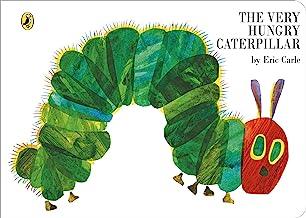
1. “The Very Hungry Caterpillar” by Eric Carle
A beloved classic that has captured the hearts of generations, “The Very Hungry Caterpillar” by Eric Carle is a must-have for every toddler’s bookshelf. The book follows the journey of a caterpillar as it munches through various foods, eventually transforming into a beautiful butterfly. With its colorful illustrations, die-cut pages, and simple storyline, this book is both entertaining and educational, teaching concepts like days of the week and healthy eating.
![The Very Hungry Caterpillar [Board Book]: Eric Carle](https://m.media-amazon.com/images/I/81seu48cujS._AC_UY218_.jpg)
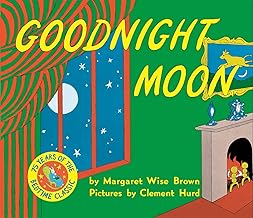
2. “Goodnight Moon” by Margaret Wise Brown
“Goodnight Moon” by Margaret Wise Brown is a soothing bedtime story that has enchanted children for decades. The gentle rhymes and repetitive text create a calming rhythm, making it the perfect choice for winding down before sleep. The book takes readers through a cozy room as they bid goodnight to various objects and creatures. The warm illustrations and comforting narrative make this book a cherished part of many bedtime routines.
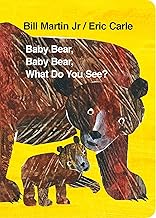
3. “Baby Bear, Baby Bear, What Do You See?” by Bill Martin Jr. and Eric Carle
Another collaboration between Bill Martin Jr. and Eric Carle, “Baby Bear, Baby Bear, What Do You See?” is a vibrant and rhythmic book that introduces toddlers to a variety of animals and colors. The repetitive text encourages participation and engages young readers. The bold illustrations and simple text make it an engaging read-aloud experience that helps children develop early language and observational skills.
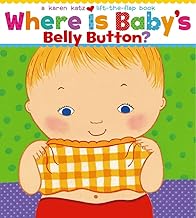
4. “Where Is Baby’s Belly Button?” by Karen Katz
“Where Is Baby’s Belly Button?” by Karen Katz is an interactive lift-the-flap book that delights toddlers as they search for various body parts on different characters. This engaging book combines playful illustrations with hands-on exploration, encouraging little ones to actively participate in the reading experience. It’s a fantastic way to teach body awareness while having fun.
5. “Dear Zoo: A Lift-the-Flap Book” by Rod Campbell
Finally, a personal favorite of mine : “Dear Zoo” by Rod Campbell is a delightful lift-the-flap book that invites toddlers to discover what animals are hidden behind the flaps.
The story follows a child who writes to the zoo asking for a pet, and the zoo sends a series of animals, each with a humorous reason for not being the right choice. The interactive nature of the book encourages curiosity and engagement, making it a delightful read for toddlers.

How do I choose a book for my toddler and infant/baby?
Choosing books for toddlers and infants can be a delightful experience that fosters a love of reading from a young age.
Here are some tips to help you select age-appropriate and engaging books for your little ones:
For Toddlers (Ages 1-3)
- Board Books: Opt for sturdy board books with thick pages that can withstand rough handling and chewing. Board books are ideal for toddlers who are still developing fine motor skills and may be prone to tearing or damaging paper pages.
- Simple Text: Choose books with simple, repetitive text and rhymes that are easy for toddlers to follow along and memorize. Look for books with short sentences or phrases that encourage participation and interaction, such as asking questions or making animal sounds.
- Bright and Colorful Illustrations: Toddlers are drawn to vibrant colors and bold illustrations that capture their attention and imagination. Look for books with eye-catching artwork and engaging illustrations that complement the text and tell a story visually.
- Interactive Elements: Seek out books with interactive features such as lift-the-flap, touch-and-feel, or peek-a-boo elements that encourage tactile exploration and active engagement. Interactive books help toddlers develop sensory skills and keep them entertained during storytime.
- Themes of Familiarity: Select books with themes and topics that are familiar and relevant to toddlers’ everyday experiences, such as animals, family, friends, bedtime, and daily routines. Books that reflect toddlers’ interests and surroundings are more likely to capture their attention and hold their interest.
- Durable and Safe Materials: Ensure that the books you choose are made from safe and non-toxic materials, with rounded edges and no small parts or choking hazards. Check for age recommendations and safety certifications to ensure the books are suitable for toddlers.
For Infants/baby (Ages 0-12 months)
- High Contrast Images: Infants are attracted to high contrast images and bold patterns that stimulate their developing vision. Choose board books or cloth books with black-and-white or brightly colored illustrations that are visually engaging and easy for infants to focus on.
- Simple Shapes and Patterns: Look for books with simple shapes, patterns, and designs that are easy for infants to discern and explore. Books with large, clear images and minimal clutter are best for capturing infants’ attention and encouraging visual exploration.
- Soft and Fabric Books: Opt for soft and fabric books that are safe for infants to handle and explore with their hands and mouths. Fabric books with crinkly textures, squeakers, or teething elements provide sensory stimulation and encourage tactile exploration.
- Short and Simple Text: Choose books with short, repetitive text or simple rhymes that are soothing and comforting for infants to listen to. Books with rhythmic patterns or gentle lullabies are ideal for calming infants and creating a relaxing bedtime routine.
- Interactive Features: Look for books with interactive features such as mirrors, peek-a-boo flaps, or textured patches that encourage sensory exploration and engagement. Interactive books help infants develop hand-eye coordination and fine motor skills while providing sensory stimulation.
- Board Books with Rounded Corners: Select board books with rounded corners and durable construction that are safe for infants to handle and explore independently. Avoid books with sharp edges or small parts that pose choking hazards.
What age do you start reading books to babies?
Reading to babies can start as early as infancy, even from birth. While newborns may not understand the words being read, they benefit greatly from hearing the rhythm and cadence of language, as well as from the bonding experience with the caregiver.
Reading to babies helps in fostering early language development, stimulating brain development, and nurturing a love for books and reading.
Here are some tips for reading to babies at different stages of development:
Newborns (0-3 months)
- Choose simple board books with high-contrast images or patterns that are visually engaging for newborns.
- Read aloud in a soothing tone of voice, making eye contact with your baby and cuddling them close during storytime.
- Use soft and gentle books with textures, crinkly pages, or tactile elements to stimulate their senses.
Infants (3-6 months)
- Continue reading board books with simple illustrations and bold colors that capture your baby’s attention.
- Encourage interactive reading by pointing to and naming objects in the book, making sound effects, or using facial expressions to convey emotion.
- Incorporate rhymes, repetition, and simple songs into storytime to engage your baby and help develop their language skills.
Older Infants (6-12 months)
- Introduce board books with simple stories, basic concepts (such as shapes, colors, and animals), and interactive features (such as lift-the-flap or touch-and-feel elements).
- Encourage your baby to participate in storytime by turning pages, pointing to objects, and babbling along with you.
- Choose books with rhythmic text, repetitive phrases, and predictable patterns that your baby can anticipate and enjoy.
Toddlers (12-36 months)
- Select board books, picture books, and interactive books that cater to your toddler’s growing interests and curiosity.
- Choose books with engaging stories, colorful illustrations, and simple narratives that capture your toddler’s imagination and encourage active participation.
- Encourage your toddler to ask questions, make predictions, and talk about the story as you read together.
- Incorporate books that introduce basic concepts such as numbers, letters, shapes, and emotions to support your toddler’s cognitive and social-emotional development.
Conclusion
Introducing toddlers to the world of books through these wonderful titles is a perfect way to ignite their curiosity, imagination, and love for reading.
These books offer engaging stories, interactive elements, and vibrant illustrations that capture the attention of young readers and create cherished memories of reading time with loved ones.
You may also be interested in
The Best Gifts for a Newborn Baby
Celebrating Her: Top 5 Thoughtful Gifts for Women
Creating a Child-Safe Home: Top 5 Purchases
Top 5 Essential Purchases for Toddlers and babies
Top 5 Books for Toddlers and Babies
Frighteningly Good Halloween Ideas and Gifts


Leave a Reply